SLO County did not violate laws regarding immigrants in jail
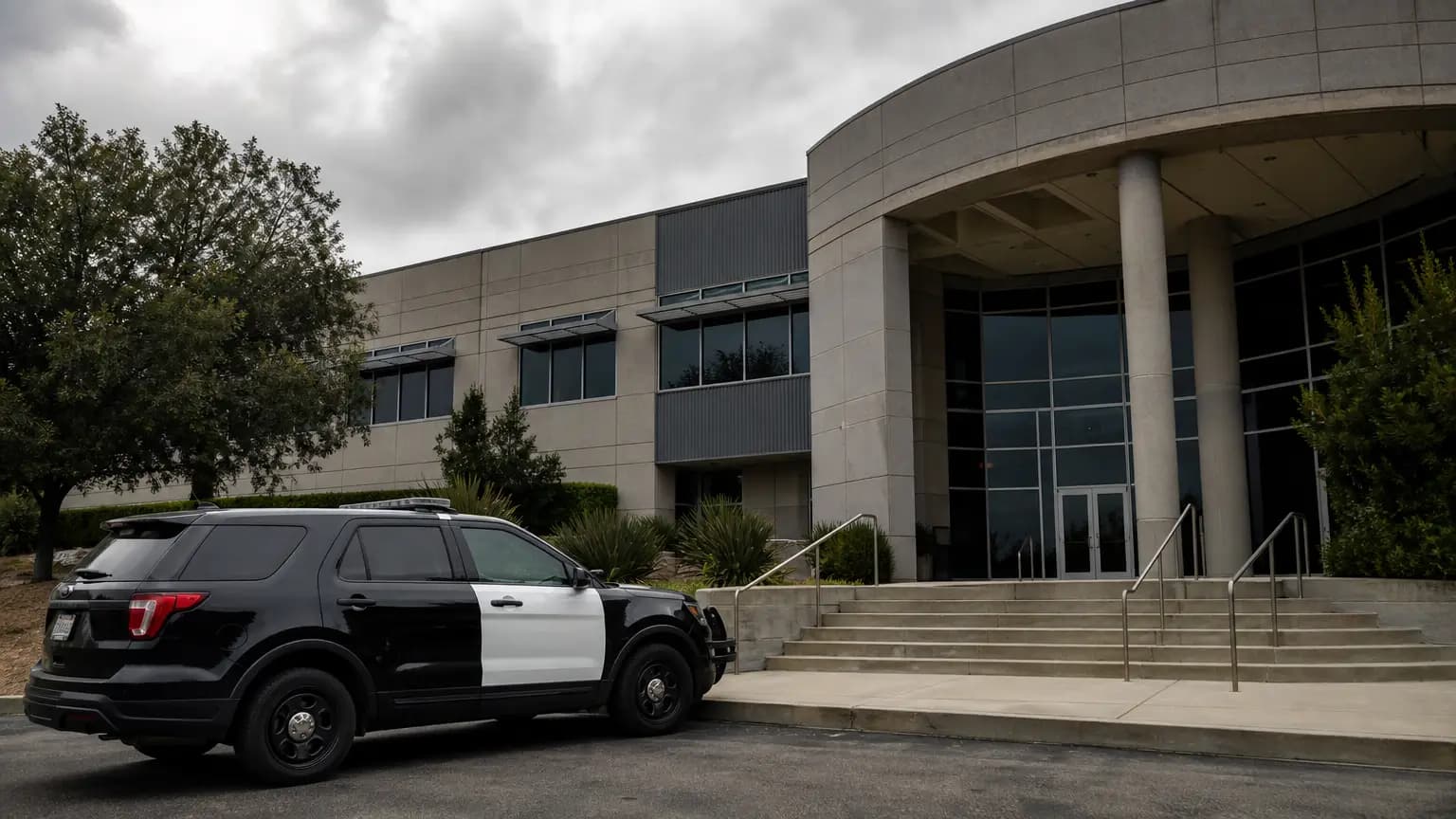
Last week, a report published by The Tribune raised questions about whether the San Luis Obispo County Sheriff’s Office had improperly released individuals wanted by Immigration and Customs Enforcement (ICE). The story, published on July 24, suggested that the agency's handling of specific detainees might have violated California Senate Bill 54, widely known as the state's sanctuary state law.
In response, the San Luis Obispo County Sheriff’s Office has firmly pushed back against these claims. According to CalCoastNews, the sheriff's office conducted a thorough review of the underlying information following the publication of the article. Upon reviewing the cases referenced in the Tribune's reporting, officials confirmed that in every instance, the department acted in full compliance with SB 54.
Navigating State Privacy Laws
A major point of friction in this public dispute stems from what the Sheriff’s Office can and cannot legally say about the individuals in question. Under California law, specifically Penal Code section 11105, state summary criminal history information—often referred to as a "rap sheet"—is strictly confidential.
This state-level data, maintained by the California Department of Justice, can only be accessed by law enforcement for official, authorized purposes. The statute prohibits agencies from redisclosing this information to unauthorized individuals, which explicitly includes members of the public and the media. As a result, the Sheriff’s Office asserts that it cannot legally release the specific criminal history information necessary to publicly rebut the details of the media reports, even if doing so would clarify their operational decisions.
Understanding SB 54 and Local Jail Operations
To understand the stakes of these allegations for San Luis Obispo residents, it helps to look at what SB 54 actually mandates. Passed in 2017, the California Values Act severely restricts the interaction between local and state law enforcement agencies and federal immigration authorities. Under the law, local jails cannot use their resources to investigate, interrogate, detain, detect, or arrest people for the sole purpose of immigration enforcement.
However, the law includes specific exceptions. For instance, local agencies are permitted to transfer individuals to ICE custody if the individual has been convicted of certain serious or violent felonies, or if a federal judge has issued a warrant. The friction frequently arises in the gray areas: when local criminal charges are dropped, bail is posted, or a sentence is served. In these scenarios, local law enforcement must release the individual from local custody. Because they are barred by state law from holding someone solely on an ICE detainer—which is an administrative request, not a judicial warrant—individuals are sometimes released back into the community, drawing public and media scrutiny.
The Sheriff’s Office maintains that their handling of the specific detainees referenced in July fell entirely within these complex legal boundaries.
Pushing for Agency Transparency
While state privacy laws tie the hands of the Sheriff’s Office regarding the release of individual criminal histories, the agency stated it remains committed to public transparency. To bridge the gap between operational secrecy and public interest, the Sheriff’s Office has established a public website dedicated to SB 54 compliance.
This portal is designed to provide the maximum amount of information permitted under California law regarding how the county aligns with the sanctuary state mandates. By centralizing this data, the department aims to give San Luis Obispo residents a clearer view of jail operations without violating state confidentiality statutes.
Avenues for Public Oversight
For residents who remain concerned about the Sheriff’s Office's adherence to state law, the department has pointed to a specific avenue for independent review. The Sheriff’s Office is legally required to report relevant SB 54 compliance data to the California Attorney General’s Office.
The department has invited any member of the public who believes the agency is violating SB 54 to contact the state Attorney General. In the event of an independent state review, the Sheriff’s Office noted that it would fully cooperate, providing the specific, confidential information to state investigators that it is legally barred from sharing with local media or the general public.
As immigration enforcement continues to be a deeply debated topic across the Central Coast and the broader 805 region, the clash between federal immigration priorities, state privacy laws, and local law enforcement operations remains complex. For now, the SLO County Sheriff’s Office contends that its house is in order, operating strictly by the letter of California law.
Reported by 805.life
Researched and written drawing on primary sources. Additional reporting: CalCoastNews.
City
San Luis ObispoAdditional Reporting
CalCoastNewsPublished
July 28, 2026
Reported and written by 805.life
Explore San Luis ObispoAll San Luis Obispo NewsMore News from San Luis Obispo
Starbucks Coffee closing three store in San Luis Obispo
So it looks like we're losing three Starbucks locations here in SLO, part of a bigger wave of 250 closures across the U.S. and Canada that the company announced Thursday. CalCoastNews reports the chain didn't name the specific stores, but a Starbucks fan put together a list that includes three right here in San Luis Obispo. Whether you're a daily drive-thru regular or just grab a latte before hitting the Thursday night farmers market, this one hits a little close to home. Local coffee shops, of course, are probably raising an eyebrow — and maybe a mug — at the news. No word yet on which exact spots will close or when, so keep an eye out. In the meantime, this might be the perfect excuse to finally try that neighborhood café you've been meaning to visit.
 San Luis Obispo
Hundreds of San Luis Obispo County residents win quiet title lawsuit
Big news for hundreds of our neighbors across North County. A judge ruled Thursday that the 800-plus residents who joined a quiet title lawsuit to protect their right to use water from the Paso Robles Groundwater Basin without charge have won their case, according to CalCoastNews. That means water districts can no longer force these plaintiffs to pay fees or taxes just for using the groundwater beneath their own land. For a region where water is everything—ranches, vineyards, family homes—this isn't just a legal footnote. It's about who gets to decide how local water is used and paid for. Paso Robles has been at the center of California's groundwater debates for years, and this ruling gives these residents some hard-won certainty. We'll be watching to see how the districts respond and what it means for everyone else relying on the basin. For now, it's a genuine win for a lot of folks who just wanted to keep their water rights intact.
 San Luis Obispo
Templeton CHP officers holding DUI checkpoint Saturday night
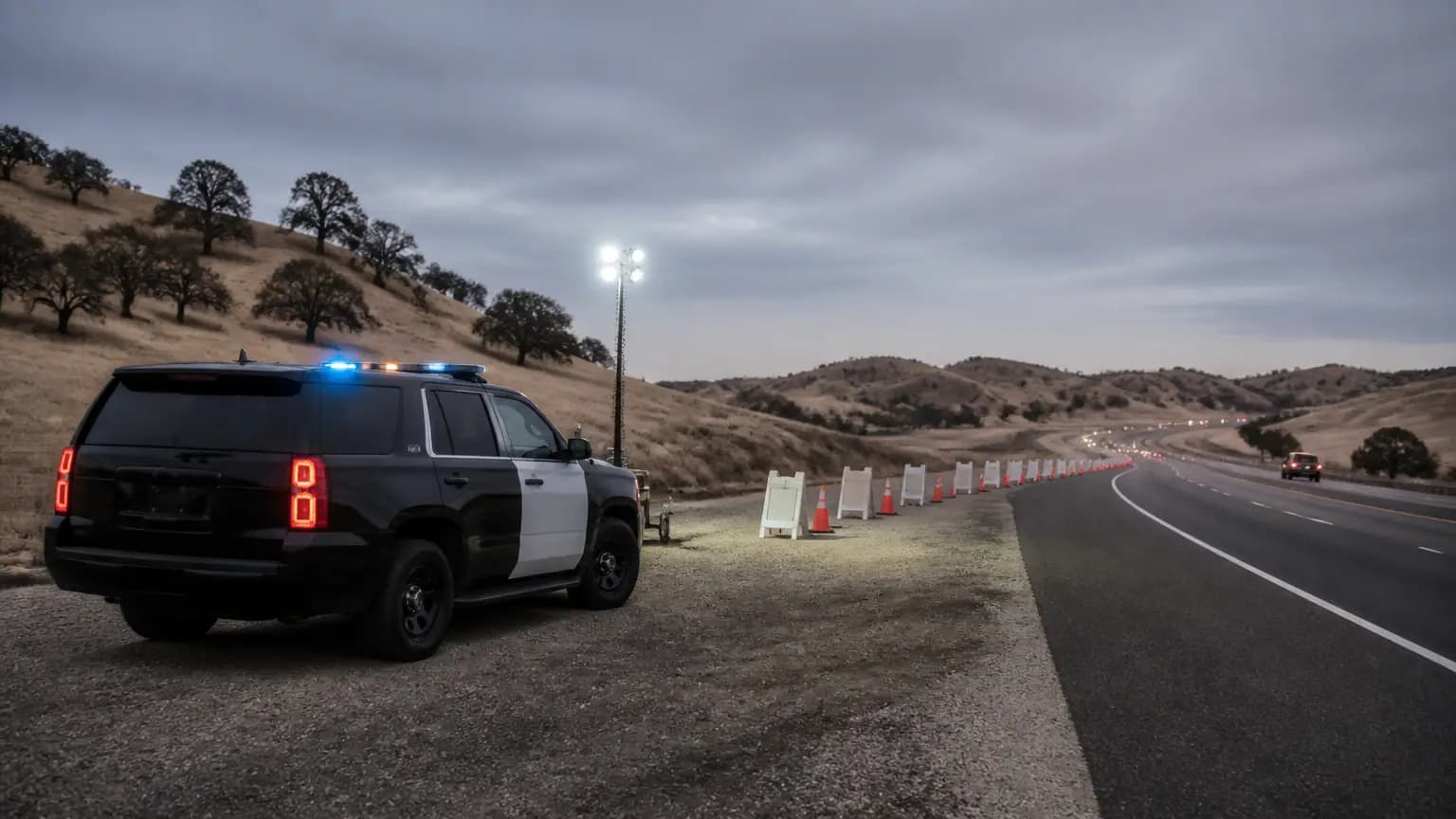
Heads up, North County — Templeton CHP is running a DUI checkpoint somewhere in SLO County Saturday night. As always, they're keeping the exact spot under wraps, choosing it based on where crashes and DUI arrests have clustered in the past. If you're out on the 101 or winding home from a wine-country dinner, expect officers checking licenses and insurance, and keeping an eye out for signs of impairment. Here's the thing: checkpoints aren't really about catching folks off guard. They're about getting people to think twice before getting behind the wheel after a few glasses of Paso or Templeton wine. We love our tasting rooms and late dinners around here — that's exactly why this matters. Plan a designated driver, call a rideshare, or just stay put. CalCoastNews had the original heads-up, and we're passing it along because a little planning keeps everyone safer on our roads. Stay safe out there, neighbors.