SLO County jury finds man too dangerous for release
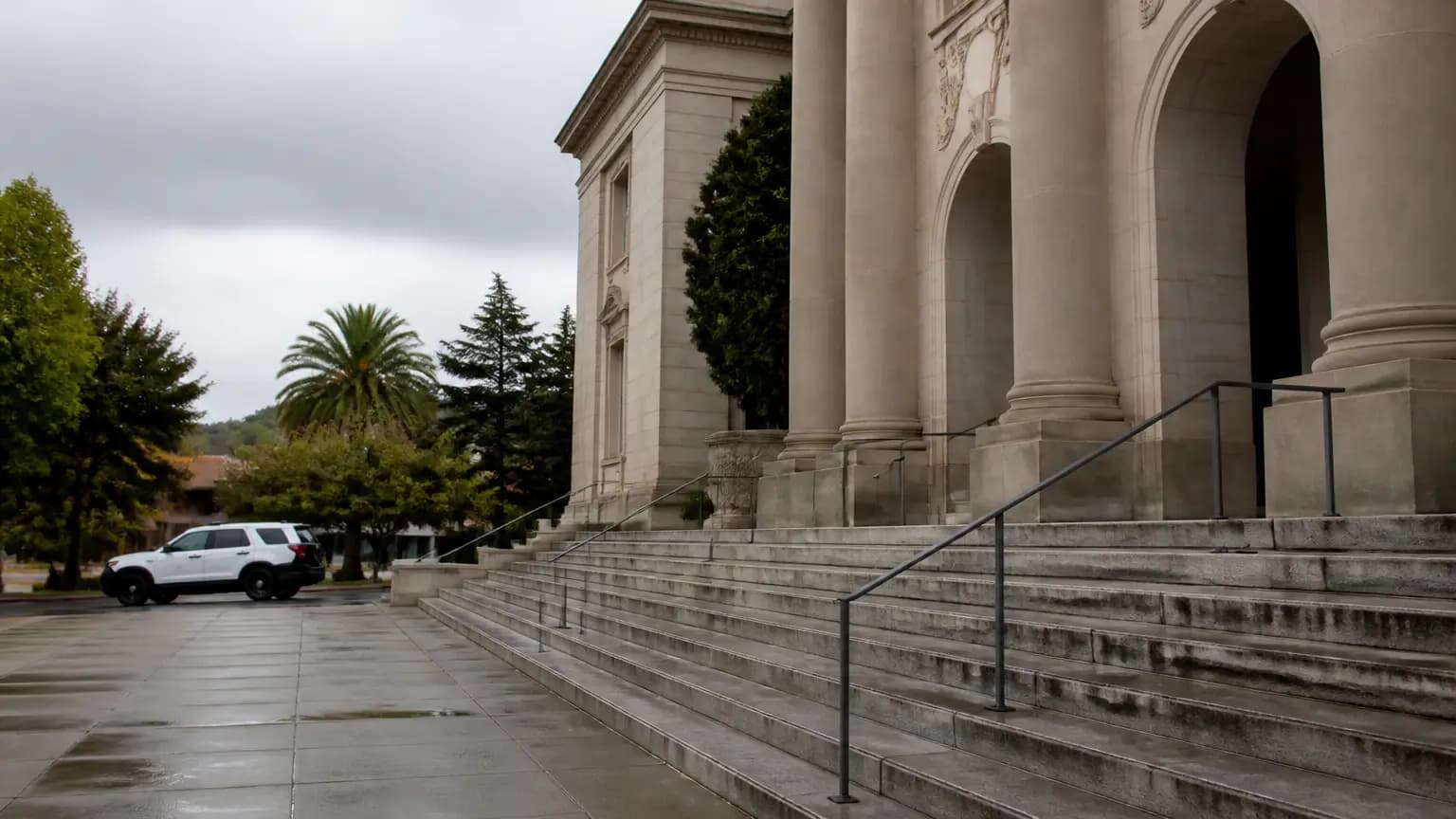
A San Luis Obispo County jury has determined that a 39-year-old man committed to Atascadero State Hospital remains too dangerous to be released into the community, denying his petition for freedom and extending his court-ordered treatment at the secure facility.
The verdict, delivered Monday and reported by CalCoastNews, means William Cloward will remain at the state hospital on the grounds of Atascadero rather than returning to live in a California community — a decision that jury safety cases like this one directly affect Central Coast residents.
What the Jury Decided
Cloward's case is what's known in California as a mental health commitment proceeding, not a new criminal trial. Under state law, when a person is up for parole but suffers from a severe mental disorder that is not in remission and that makes them a substantial danger of physical harm to others, they can be required to receive treatment in a secure state hospital instead of being released.
That decision, however, can be challenged in court. When it is, the San Luis Obispo County District Attorney's Office must prove to a jury — beyond a reasonable doubt, the same standard used in criminal cases — that the person meets every legal requirement for continued commitment of one year.
Cloward challenged his commitment, and a SLO County jury heard the evidence and sided with the prosecution. Following the verdict, the court denied his petition for release.
District Attorney Dan Dow emphasized the stakes in such cases. "Cases like this are different from a criminal prosecution, but they are just as important to public safety," Dow said, according to CalCoastNews. "The question is whether a person who served a prison sentence for a serious crime is still so mentally ill and dangerous that release would put the public at risk."
A Long History of Violence, Prosecutors Said
Evidence presented at trial traced a pattern of violence stretching back nearly two decades, which prosecutors connected to Cloward's mental illness.
According to the reporting, Cloward was convicted of attempted robbery in Los Angeles County in 2008 and sentenced to prison. While on parole the following year, in 2009, he set fire to his parents' home — an act described as reckless — and received a six-year state prison sentence.
His time in custody did not end the violence, the jury heard. While incarcerated, Cloward committed additional crimes, including assault and battery. In one attack behind bars, he stabbed a sleeping cellmate in the eye with a pencil.
Cloward was admitted to Atascadero State Hospital in 2025 as an offender with a mental health disorder. The facility, located in northern San Luis Obispo County, is one of California's primary state hospitals for treating people committed through the criminal justice system — making it both a major local employer and a fixture of the region's mental health and public safety landscape.
The Defendant's Own Testimony
Cloward took the stand in his own defense during the trial. According to CalCoastNews, he denied ever having harmed others because of mental illness and told the jury that, if released, he would live with his mother and take medication.
The jury evidently did not find that testimony persuasive in light of the documented history presented by the District Attorney's Office. The denial of his petition means his commitment continues, and under the framework described by prosecutors, such commitments are typically reviewed on an annual basis — meaning Cloward could petition again in the future, when the state would again bear the burden of proof.
Why These Cases Matter Locally
Civil commitment trials like Cloward's occupy a distinctive space in the California legal system. They are not punishments for new crimes — the underlying prison sentences have been served — but rather civil proceedings designed to protect the public while providing treatment to people whose serious mental illness is deemed to make them dangerous.
For San Luis Obispo County residents, the outcome has a dual significance. Atascadero State Hospital sits within the county, so commitments under California's mental health laws regularly play out in local courtrooms, prosecuted by the county District Attorney's Office. At the same time, release decisions in these cases determine whether individuals with documented histories of violence are returned to communities — potentially including neighborhoods on the Central Coast.
The case also illustrates the broader challenge California faces in balancing civil liberties with public safety for people cycling between the criminal justice and mental health systems. Cloward's record — a 2008 attempted robbery conviction, a 2009 arson that endangered his own family, continued violence in prison, and a 2025 hospital admission — reflects the kind of trajectory that commitment law is designed to address: serious crime, persistent mental illness, and ongoing danger even after a prison term is complete.
Cloward will remain at Atascadero State Hospital under the court's order. As is standard in these proceedings, his status can be revisited in future proceedings, where the DA's Office would once again need to prove, beyond a reasonable doubt, that continued commitment is warranted.
This article is based on reporting by [CalCoastNews](https://calcoastnews.com/2026/10/slo-county-jury-finds-man-to-dangerous-for-release/), published October 28, 2026.
Reported by 805.life
Researched and written drawing on primary sources. Additional reporting: CalCoastNews.
City
San Luis ObispoAdditional Reporting
CalCoastNewsPublished
October 28, 2026
Reported and written by 805.life
Explore San Luis ObispoAll San Luis Obispo NewsMore News from San Luis Obispo
 San Luis Obispo
Five San Luis Obispo County residents test positive for E. coli
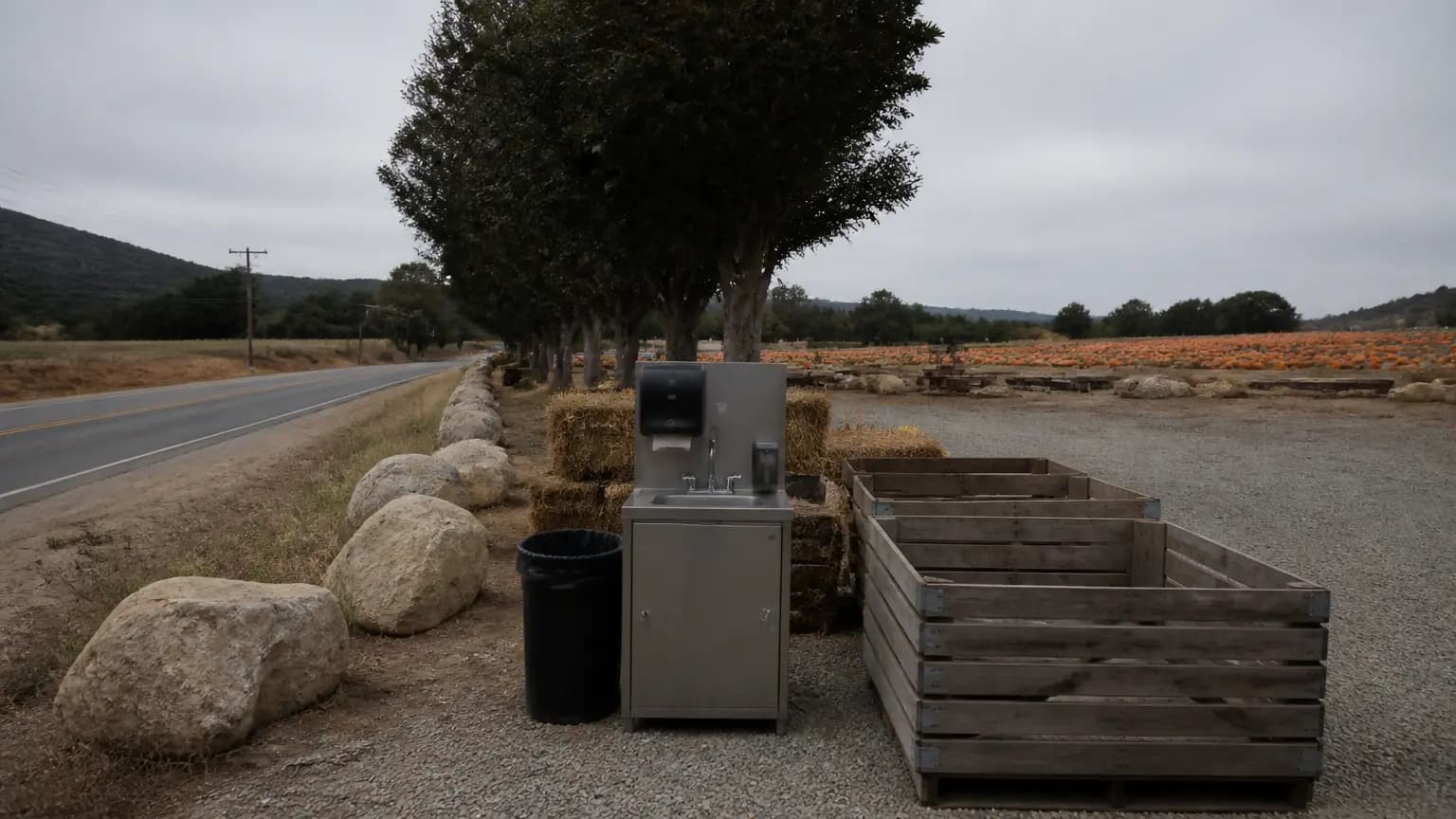
Neighbors, this one hits close to home. Five people in our county — three of them kids, seriously ill — came down with E. coli after a visit to a pumpkin farm on Los Osos Valley Road, and public health confirmed the Shiga toxin-producing strain Tuesday. CalCoastNews broke the story, and it's a sobering reminder that fall traditions we love around here can carry real risk. If your family hit a farm stand or petting zoo recently, watch for stomach cramps, bloody diarrhea, or vomiting, and call your doctor — especially with little ones, who are hit hardest. Wash hands after animal contact, keep food away from pens, and don't push through symptoms hoping they'll pass. We're lucky to have these farms as part of our autumn rhythm here on the Central Coast. Let's keep supporting them while staying careful. We'll share updates from the county as they come.
 San Luis Obispo
Gas leak leads to shelter-in-place in San Luis Obispo
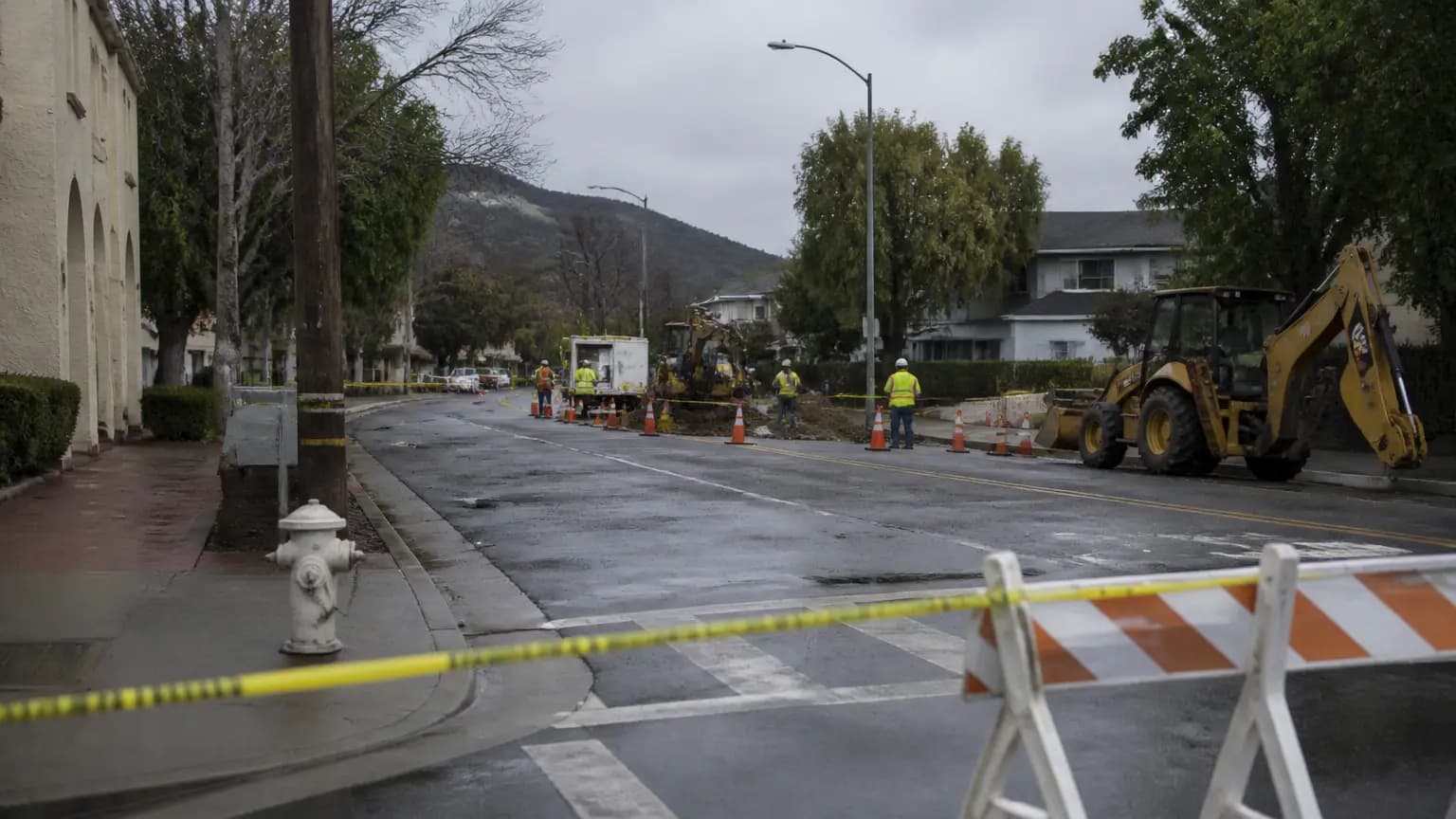
If you were anywhere near the 900 block of Monterey Street Tuesday afternoon, you probably noticed the closures before you heard why. A natural gas leak prompted a shelter-in-place order that included the Anderson Building, with Osos, Morro, and Monterey streets shut down between Higuera and Palm. CalCoastNews was first to report the details. It's a good reminder that downtown SLO's tight grid means a single leak can ripple across several blocks in minutes. Shelter-in-place sounds dramatic, but it's really just the safest way to keep folks out of the way while crews do their work — no need to panic, just stay put and let the pros handle it. We're grateful for the quick response from our local emergency crews and for neighbors who looked out for each other. If you're headed downtown this week, keep an eye on street closures and give yourself a little extra time. Stay safe, SLO.
 San Luis Obispo
A cautionary tale: Promises made, promises broken
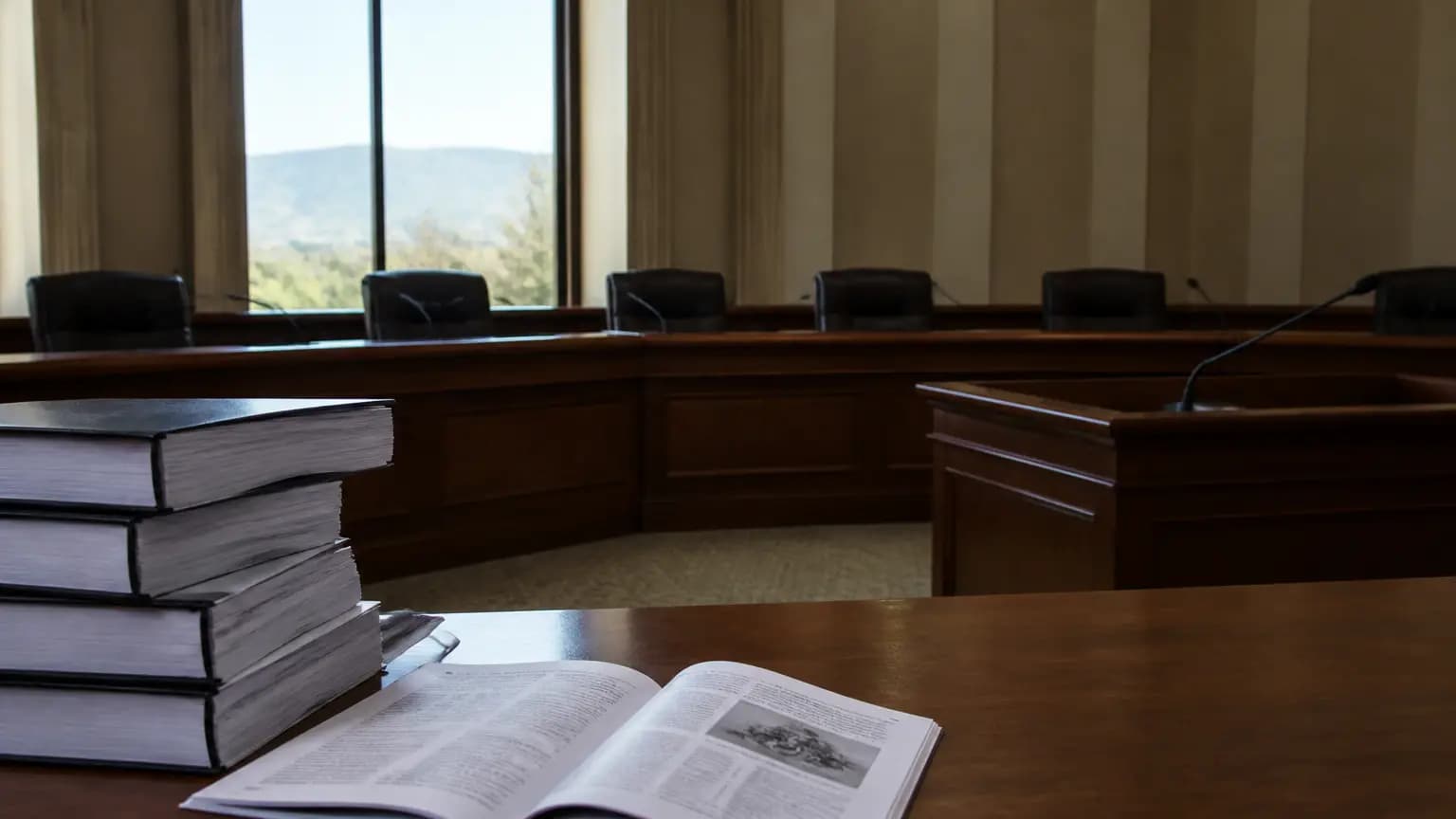
If you've been following the Paso Robles school bond conversation, you've probably heard the claim that critics "can't name a single misspent dollar." That line, straight from the Measure G-26 supporters' rebuttal in the voter information guide, is getting some fresh scrutiny thanks to CalCoastNews. Turns out the SLO County Grand Jury wasn't quite so confident back in its November 2020 report on the Paso Robles school district — a reminder that campaign language and official findings don't always line up. Here on the Central Coast, we care about our schools and we care about how our tax dollars are spent. That's not cynicism — it's stewardship. Whether you're a parent in Paso, a retiree in Atascadero, or just someone who believes transparency matters, this is the kind of story worth reading before you cast a ballot. Bottom line: promises are easy to make and hard to keep. Do your homework, ask hard questions, and don't let anyone tell you the concerns are "simply untrue."