State Panel OKs Closing Parts of Ocean Off Santa Barbara County to Boat Fishing
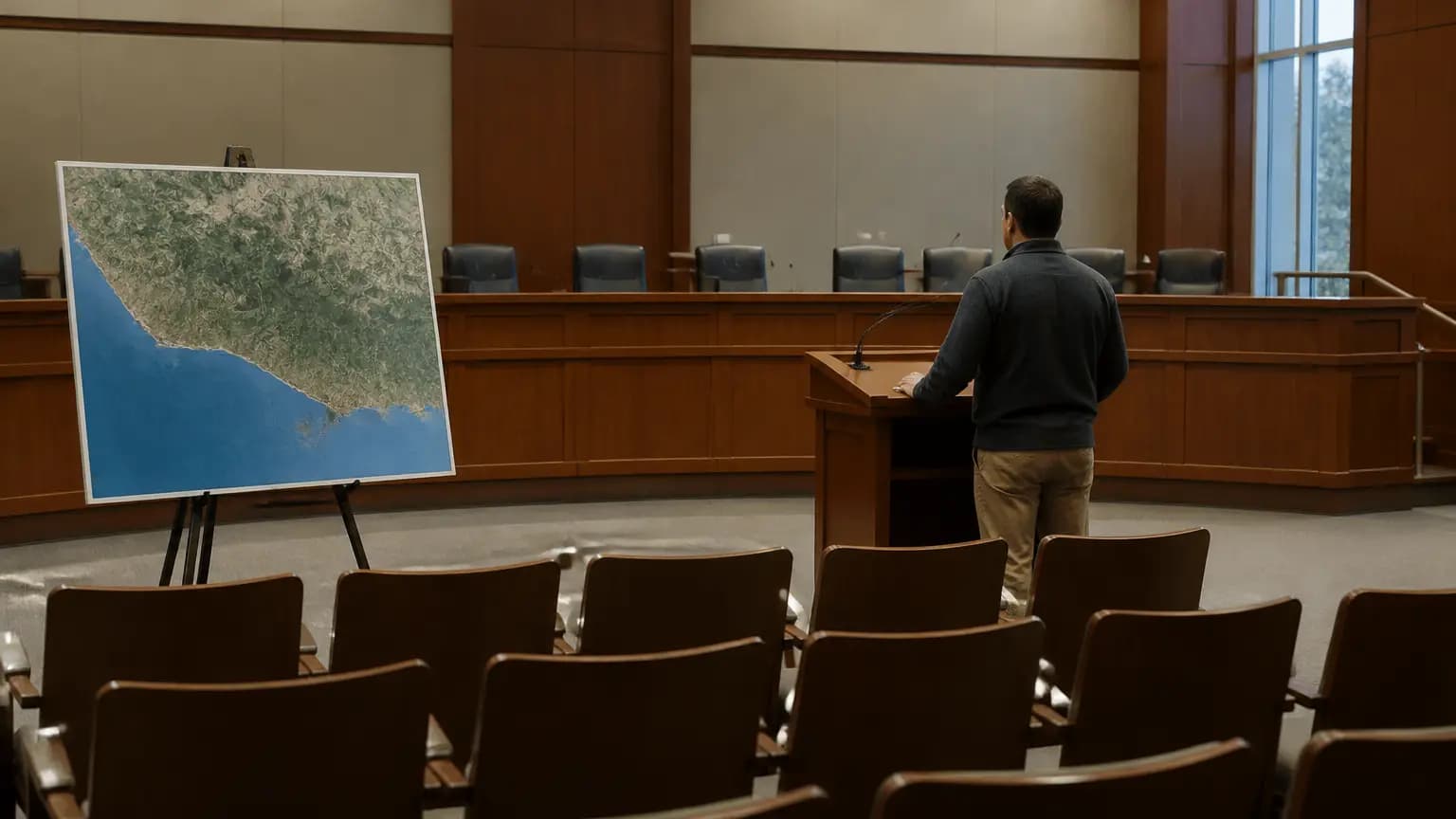
The California Fish & Game Commission has unanimously and near-unanimously advanced two tribally led proposals that would close roughly 18 square miles of ocean off Santa Barbara County to boat fishing — setting the stage for the first new marine protected areas in state waters since the original network was completed in the early 2010s.
At its meeting last week, the commission voted to move forward with a 9.18-square-mile protected area off Point Sal near Guadalupe in the North County, and a 9.05-square-mile area off the Carpinteria coast in the South County, as Noozhawk reported. The Point Sal petition passed on a unanimous vote; the Carpinteria proposal, known as the Mishopshno protected area, passed 4-2, with Commissioners Darius Anderson and Erika Zavaleta dissenting.
Both petitions must still clear a multi-step regulatory process before any closures take effect.
What the New Protected Areas Would Do
The Point Sal proposal, which would extend about 4.03 miles offshore around the Point Sal headland, would prohibit all take of ocean resources by boat, while shore-based recreational fishing by hook and line would remain allowed. The area would also be renamed with a Chumash place name, to be determined. Exact boundaries have not been finalized.
The Mishopshno proposal off Carpinteria would cover 9.05 square miles extending roughly 3.6 miles from shore — a significant reduction from the 18 square miles petitioners originally sought. According to Sandy Aylesworth, director of the Pacific Initiative at the Natural Resources Defense Council, the area includes a 1.6-mile rocky reef, a kelp forest and a juvenile white shark aggregation. As with Point Sal, hook-and-line finfish fishing from shore would be permitted.
The proposals include a notable provision: the Santa Ynez Band of Chumash Indians would be exempt from the take ban, with tribal members required to carry tribal identification while fishing, according to commission staff.
Why It Matters Locally
The votes mark a potential turning point for California's marine protected area network, a patchwork of underwater parks established under the Marine Life Protection Act that was completed in the early 2010s. If adopted, these would be the first new MPAs added to the network since then — and among the first driven by tribal governments rather than the state itself.
The Point Sal petition was co-sponsored by the Northern Chumash Tribal Council and the NRDC. The Mishopshno petition was sponsored by the NRDC, the Santa Ynez Band of Chumash Indians and the Santa Barbara-based Environmental Defense Center.
"Chumash Tribes asked California to protect their ancestral waters, and today the state said yes," Aylesworth said after the vote.
Tribal leaders framed the proposals as a long-overdue correction. Violet Sage Walker, a spokeswoman for the Northern Chumash Tribal Council, called Point Sal a gap in the existing network that Indigenous people "want to fill," and thanked supporters including the city of Guadalupe, the Sierra Club and the Dunes Center. Kenneth Khan, tribal chairman of the Santa Ynez Band of Chumash Indians, said the Mishopshno area would be protected while ensuring new generations can "maintain the relationship with these waters."
Commissioner Samantha Murray emphasized that the process reflects voices left out of the original MPA design. "This is a change to hear from people, from unserved communities, from sovereign governments, who were not heard when this network was created in the first place," she said.
The Opposition: Access and Livelihoods
The proposals have divided coastal communities since they were first floated. A May meeting in Goleta drew a roughly even split of supporters and opponents, and last week's hearing featured emotional testimony on both sides — including from children. Pearl, a 10-year-old who fishes in the Point Sal area, urged commissioners not to "take my fishing spot away."
Fishing interests argue the closures would shut down access to productive grounds that local families and charter operations depend on. Jaime Diamond, a Carpinteria resident who owns Stardust Sportfishing, told the commission that charter vessels are the primary way disadvantaged communities experience the ocean, calling closure a "critical equity issue" and saying the "average Californian is lost in this conversation."
Zavaleta, one of the two dissenters on Mishopshno, raised concerns that the tribal take exemption could exclude non-federally recognized tribes. She also described the Carpinteria reef as "uncommonly resilient," and said that while restoring Indigenous rights was important, she was not convinced this particular petition was the right vehicle.
What Happens Next
The petitions now enter the formal regulatory process, which includes three hearings covering notice, discussion and adoption, followed by environmental review, according to Aylesworth. Final boundaries, regulations and effective dates will be determined during that process — meaning any actual closures remain months or longer away.
For Santa Barbara County residents, the immediate practical effects are limited for now: fishing rules off Point Sal and Carpinteria are unchanged. But the coming hearings will give anglers, tribal members, environmental groups and coastal businesses further opportunity to shape — or contest — what could become a landmark expansion of California's ocean protections, and a new model for tribal-led conservation on the Central Coast.
Reported by 805.life
Researched and written drawing on primary sources. Additional reporting: Noozhawk.
City
Santa BarbaraAdditional Reporting
NoozhawkPublished
October 19, 2026
Reported and written by 805.life
Explore Santa BarbaraAll Santa Barbara NewsMore News from Santa Barbara
 Santa Barbara
 Mayoral Candidates Talk Racism, E-bikes at Youth-Led Forum
This one's worth paying attention to, neighbors. Noozhawk reports that Santa Barbara's mayoral candidates — Wendy Sims-Moten, Eric Friedman and Kristen Sneddon — faced some of their toughest questions yet at Friday's NAACP Santa Barbara forum, and the questions came from students. Dos Pueblos High's Sofia Summerhill and Jaxon Honeycutt joined SBCC's Arielle Goodson and others in grilling the candidates on racism and e-bikes, of all things. There's something refreshing about young people setting the agenda. These are the folks who'll inherit the housing crunch, the transportation mess and the ongoing work of making our city equitable — so it makes sense they'd want straight answers now. E-bikes may sound like a small issue, but anyone who's dodged one on State Street or tried to park downtown knows they're part of a bigger conversation about safety and how we get around. With the election approaching, forums like this one matter. Hats off to the NAACP and these students for pushing past the usual talking points. Keep an eye on Noozhawk for more candidate coverage as we head toward the vote.
 Santa Barbara
Sneddon’s Achievements on Council Are Legion
Santa Barbara voters, have you taken a close look at the mayoral race yet? The Independent recently ran a piece highlighting Kristen Sneddon's record on City Council, and it's worth a read as you weigh your options. The letter praises her intellect, dedication, and moral fiber — qualities that matter a lot in a mayor who'll help steer our city through housing debates, downtown vitality, and the everyday decisions that shape life here. Local elections are where our voices carry the most weight, and this one's no exception. Whether you're a longtime resident or new to the 805, getting informed now means fewer surprises later. Check out the full endorsement in the Independent, then make a plan to vote. Your neighborhood — and your commute, your parks, your kids' schools — will feel the ripple effects. Let's keep the conversation going, Santa Barbara. Share your thoughts with neighbors, attend a forum if you can, and make your voice heard this November.
 Santa Barbara
Chimney Fire Breaks Out on Picacho Lane in Montecito
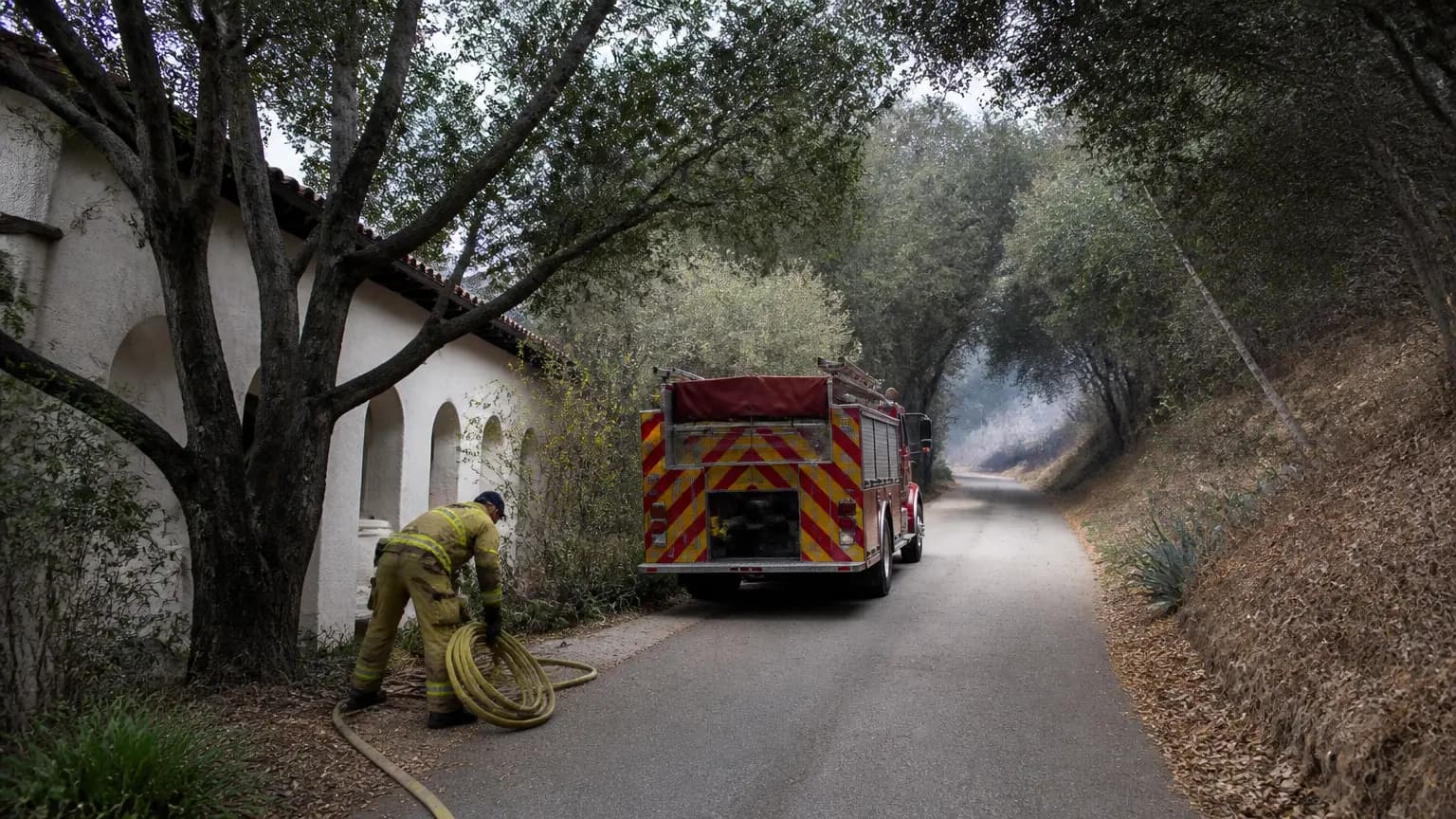
Neighbors on Picacho Lane had a bit of a scare Tuesday afternoon when a chimney fire broke out. The good news? Firefighters were on it fast and knocked it down before it could spread — a reminder of how quickly our local crews respond, especially in these hillside neighborhoods where dry brush and tight roads can make everything trickier. Chimney fires are one of those quiet risks that ramp up as we head into cooler months. If you haven't had your flue inspected in a while, this is a good nudge to schedule it before the first real cold snap. The Santa Barbara Independent reports investigators stayed on scene to figure out the cause, so we'll keep an eye out for updates. For now, glad everyone's safe and grateful for the quick work of our firefighters. Stay warm, Montecito — and stay chimney-smart.