State Street Needs Flexibility Now
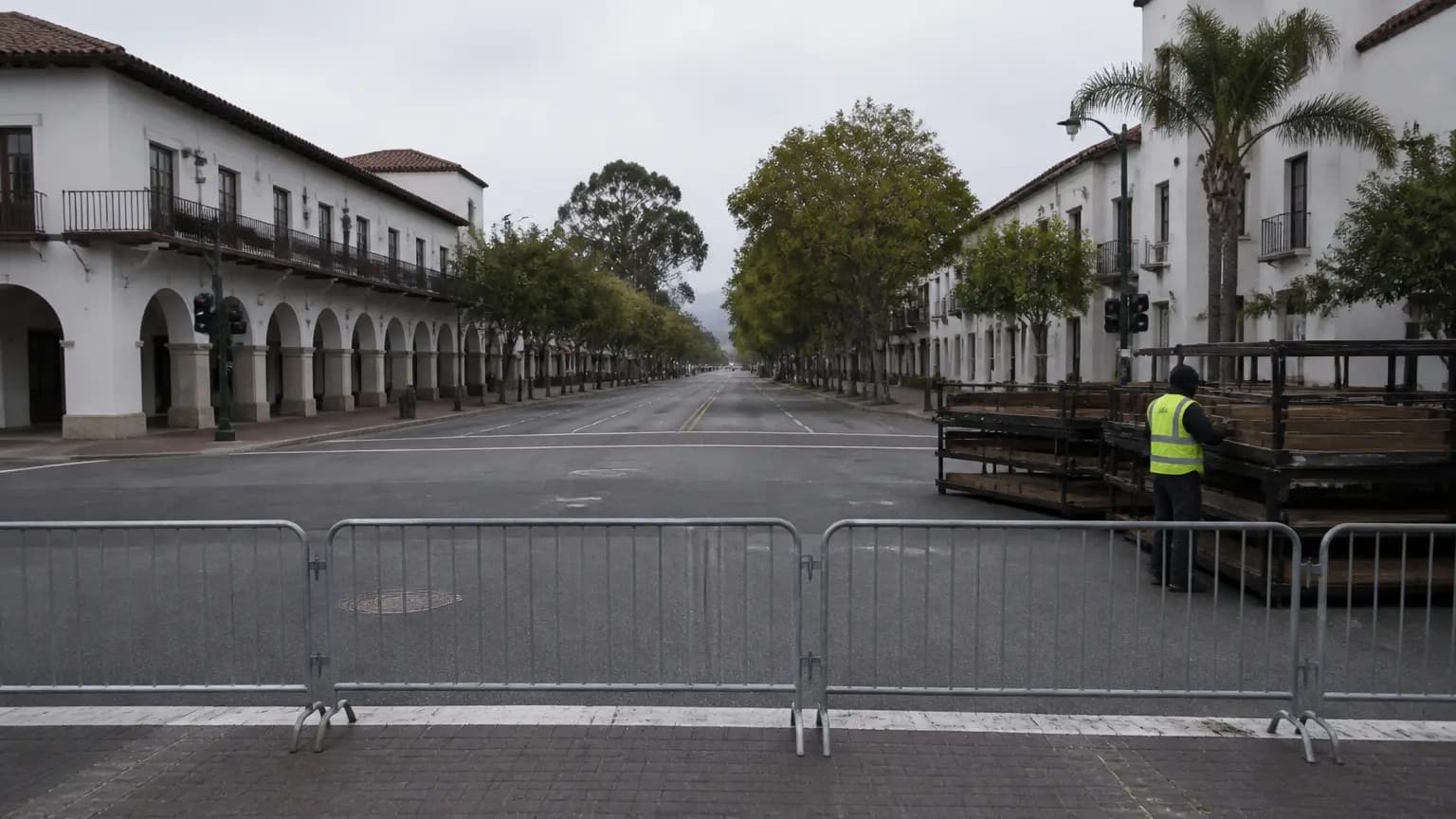
A prominent voice in Santa Barbara's downtown business community is calling on the city to act now on State Street's most pressing problems rather than waiting for the multi-year Master Plan process to run its course, arguing that the famous corridor's "confused streetscape" poses immediate safety and economic risks.
In a letter to the Santa Barbara Independent published August 28, David de L'Arbre, president of the Board of Directors of the Downtown Santa Barbara Improvement Association (DSBIA), wrote that the debate over the city's main commercial street should move beyond a simple framing of cars versus pedestrians and focus instead on "what works economically, safely and financially for downtown — both today and in the future."
The letter comes as Santa Barbara continues wrestling with the future of State Street, which has been closed to most vehicle traffic since the pandemic-era promenade experiment began in 2020. That closure, initially framed as temporary, has become a defining civic question — dividing residents, merchants, and city officials over how the downtown core should function in the decades ahead.
A Six-Year Timeline and 2,000 New Homes
According to de L'Arbre, the State Street Master Plan — the city's long-range blueprint for redesigning the corridor — is expected to take approximately six years to implement and anticipates roughly 2,000 additional housing units in the central business district. That level of residential growth, he noted, could bring thousands of new residents downtown, fundamentally reshaping how people live, shop, and move through the area.
But the DSBIA leader's central argument is urgency: the street's immediate problems can't wait for that timeline. He pointed to the current mix of pedestrians, bicycles, and increasingly fast-moving e-bikes sharing a poorly defined space, with unclear rules about who goes where.
"Clearly marked bicycle lanes, pedestrian areas, crossings and predictable rules of movement are needed now — not six years from now," de L'Arbre wrote.
E-bike safety has become a growing concern in Santa Barbara and across the Central Coast, as the popularity of electric bikes — particularly among younger riders — has surged. On a promenade-style State Street without designated lanes, conflicts between e-bikes and pedestrians have drawn complaints from both visitors and downtown stakeholders.
Flexibility Over Permanence
The Master Plan envisions a pedestrian-first "paseo" design, with the Santa Barbara City Council retaining authority to determine the hours during which vehicles would be permitted on the street. The DSBIA's position, as laid out in the letter, is to restore low-speed vehicle access as the normal condition of State Street while preserving the ability to close the corridor for parades, festivals, and special events.
De L'Arbre also endorsed a targeted exception: weekend evening closures in the entertainment district, where, as he put it, "alcohol and cars do not mix well."
That flexible model, he argued, becomes even more valuable as downtown housing grows — providing new residents who can serve as a year-round customer base for local businesses, while generating transportation and access demands the street must accommodate.
The DSBIA's stance reflects long-standing concerns among some merchants that full-time pedestrianization has hurt visibility and access for businesses along the corridor, a tension that has simmered since the promenade's earliest days. Supporters of the car-free model, by contrast, have pointed to outdoor dining, walkability, and public life as reasons to make the closure permanent — a debate the Master Plan process was designed in part to settle.
Fiscal Caution From City Hall
De L'Arbre also flagged the city's budget picture as a reason for restraint. With declining reserves and competing capital and maintenance priorities across Santa Barbara, he wrote, "expensive, difficult-to-reverse commitments deserve careful scrutiny."
The city has faced financial pressure in recent years as it balances downtown revitalization, infrastructure maintenance, and other obligations — a reality that has sharpened questions about how much to invest in a permanent redesign of State Street versus incremental, reversible improvements.
Measuring What Works
Rather than committing to an expensive permanent configuration, the DSBIA letter proposes immediate, lower-cost steps: defined vehicle and bicycle lanes, activated mid-block pedestrian signals, and flexible closures — all paired with data collection on safety, sales tax revenue, vacancies, and local visitation.
That approach would allow the city to test different configurations and adjust based on measurable outcomes, rather than locking in a design before the impacts of thousands of new downtown residents are known.
"State Street needs an affordable, orderly and adaptable solution now," de L'Arbre wrote, "one that allows downtown to thrive while preserving our ability to respond to the Santa Barbara of tomorrow."
What's Next for Downtown
The letter adds a business-community perspective to a conversation that will ultimately be decided through the Master Plan process and City Council deliberations. Key open questions include how much vehicle access the final paseo design will allow, what hours cars may return, and how quickly interim safety improvements — like bike lane markings and pedestrian crossings — can be implemented.
For Santa Barbara residents, the stakes are practical: how safely they can walk or ride downtown, how easily they can reach businesses, and how the character of the city's signature street evolves as housing growth transforms the urban core.
For now, the DSBIA's message to city leaders is clear: the flexibility to experiment — and to change course — may be downtown Santa Barbara's most valuable asset.
The original letter appeared in the [Santa Barbara Independent](https://www.independent.com/2026/08/28/state-street-needs-flexibility-now/).
Reported by 805.life
Researched and written drawing on primary sources. Additional reporting: Santa Barbara Independent.
City
Santa BarbaraAdditional Reporting
Santa Barbara IndependentPublished
August 28, 2026
Reported and written by 805.life
Explore Santa BarbaraAll Santa Barbara NewsMore News from Santa Barbara
 Santa Barbara
PG&E issues public safety power shutoff for portions of SLO County
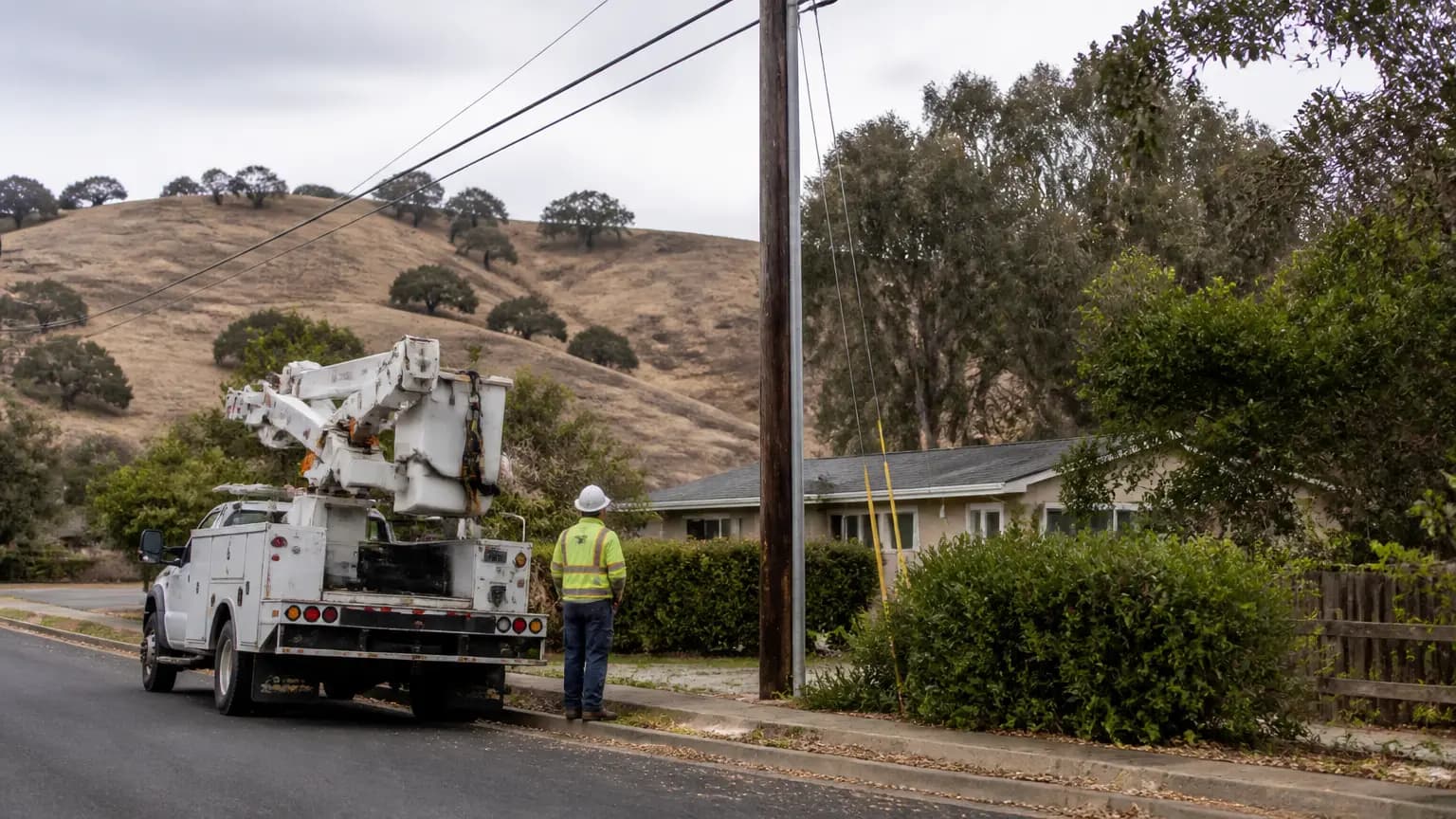
Heads up, neighbors — PG&E has announced a public safety power shutoff that could affect about 7,700 customers in parts of San Luis Obispo County, with the outage projected to begin Thursday around 2:30 a.m., according to the County Office of Emergency Services. KEYT News Channel 3-12 was first to report the news, and it's a good reminder that fire season on the Central Coast can change our routines overnight. While this shutoff is centered in SLO County, plenty of us in Santa Barbara and the rest of the 805 know the drill — charging devices, filling water jugs, and checking on older neighbors who rely on medical equipment. If you have family or friends up the coast, give them a call and make sure they've got a plan. Keep an eye on PG&E's outage map and county alerts for updates, and stay safe out there.
 Santa Barbara
Michael Shawn Mahneke of Goleta, Owner of Mahneke Motors, 1946-2026
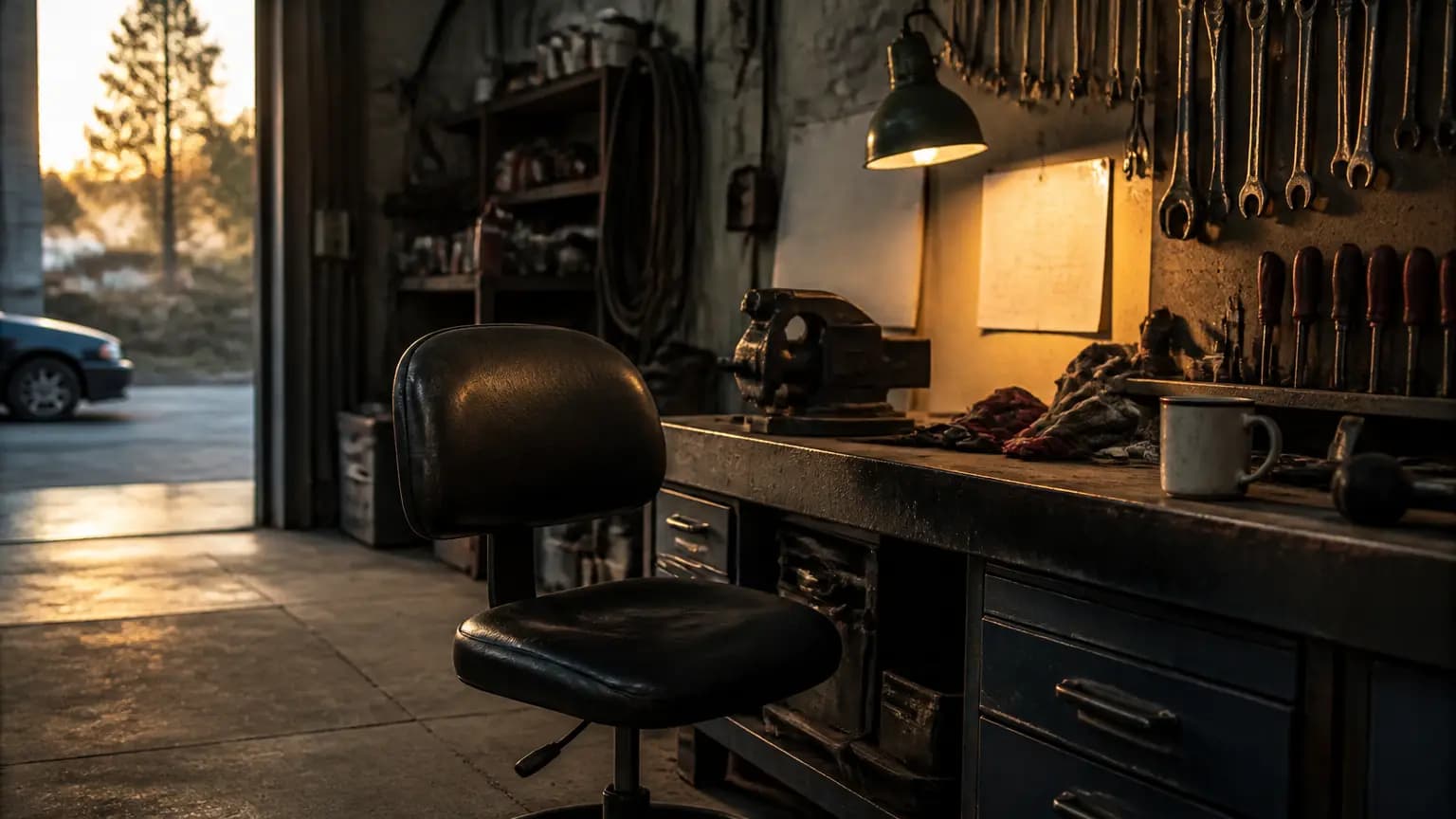
Goleta lost a familiar name this week. Mike Mahneke, who owned Mahneke Motors, passed away Sept. 10 at 81 after complications from pneumonia. Born in Chicago in 1946, he came to Santa Barbara as a teenager when his father's job brought the family west, then served in the U.S. Marines before building a life here. If you ever needed a repair, a straight answer, or just a hand, Mike was the kind of small-town business owner this stretch of the 805 quietly runs on. His shop wasn't a chain; it was a neighbor. That's the Goleta we still recognize. Noozhawk shared the news, and it's worth pausing over. Our condolences go out to his family, friends, and everyone who knew him. He'll be missed.
 Santa Barbara
El secretario a cargo del registro de votantes invita a los ciudadanos a registrarse para votar
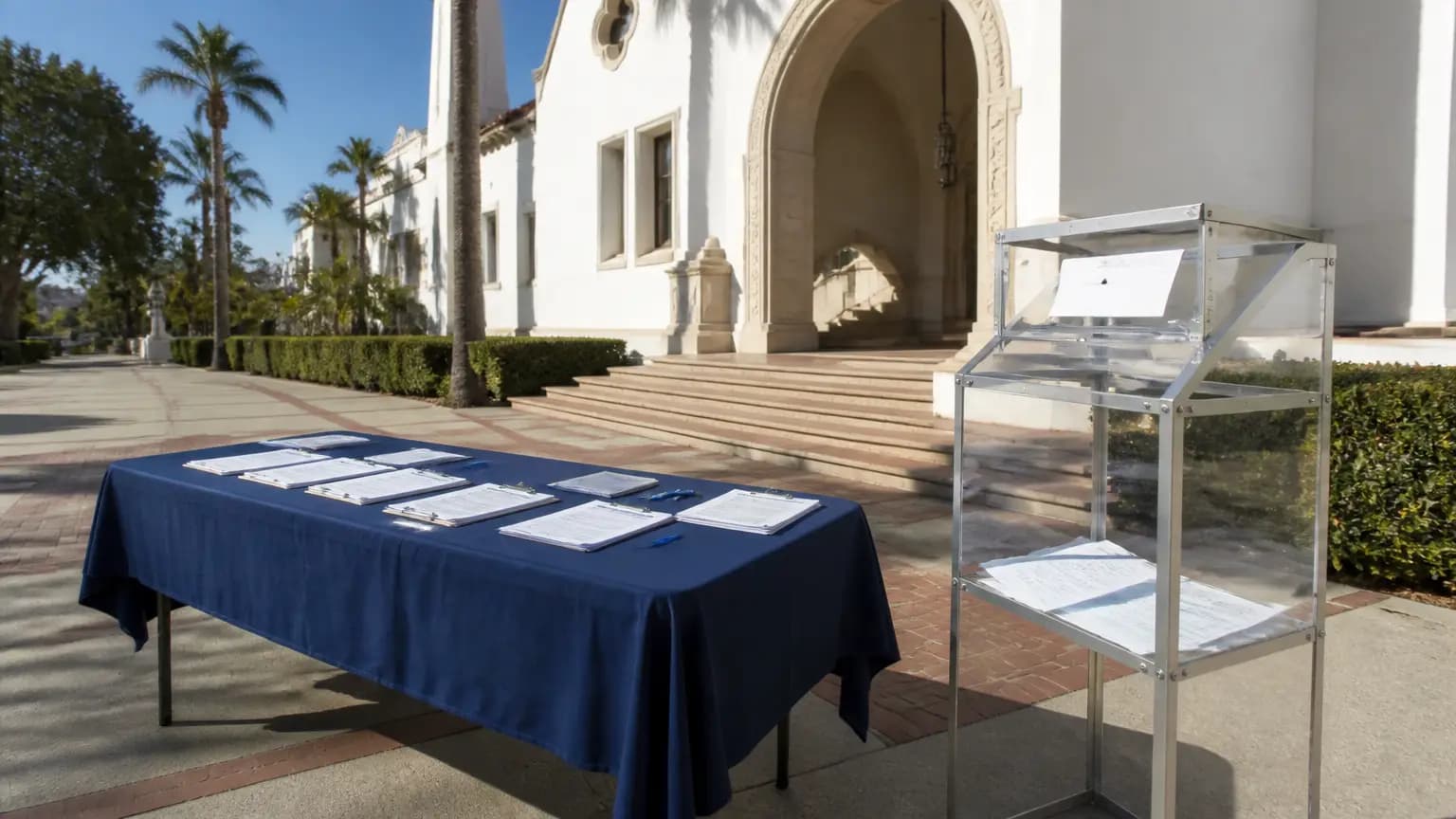
Hey neighbors — heads up from our friends at The Santa Barbara Independent: the voter registration deadline for the upcoming election is Monday, October 19, 2026. If you've moved since the last time you voted, changed your name, or you're finally ready to cast your first ballot, now's the moment to get it sorted. Here on the Central Coast, local races and measures often come down to a handful of votes — the folks deciding on our streets, schools, and open space are chosen in elections where turnout really matters. Whether you're in Santa Barbara, Goleta, Carpinteria, or anywhere else in the 805, taking five minutes to register (or update your info) is one of the easiest ways to have a say in what happens right outside your door. So grab a coffee, hop online, and knock it out before the 19th. Democracy, like our sunsets, is better when everyone shows up.