Sundowner Winds & Wildfires: A Relationship That Slowly Is Being Understood
When the sun begins to set over the Pacific, Santa Barbara residents are accustomed to the evening marine layer rolling in to cool the coastal bluffs. But as locals know all too well, the shifting weather patterns along the Central Coast can sometimes turn deadly.
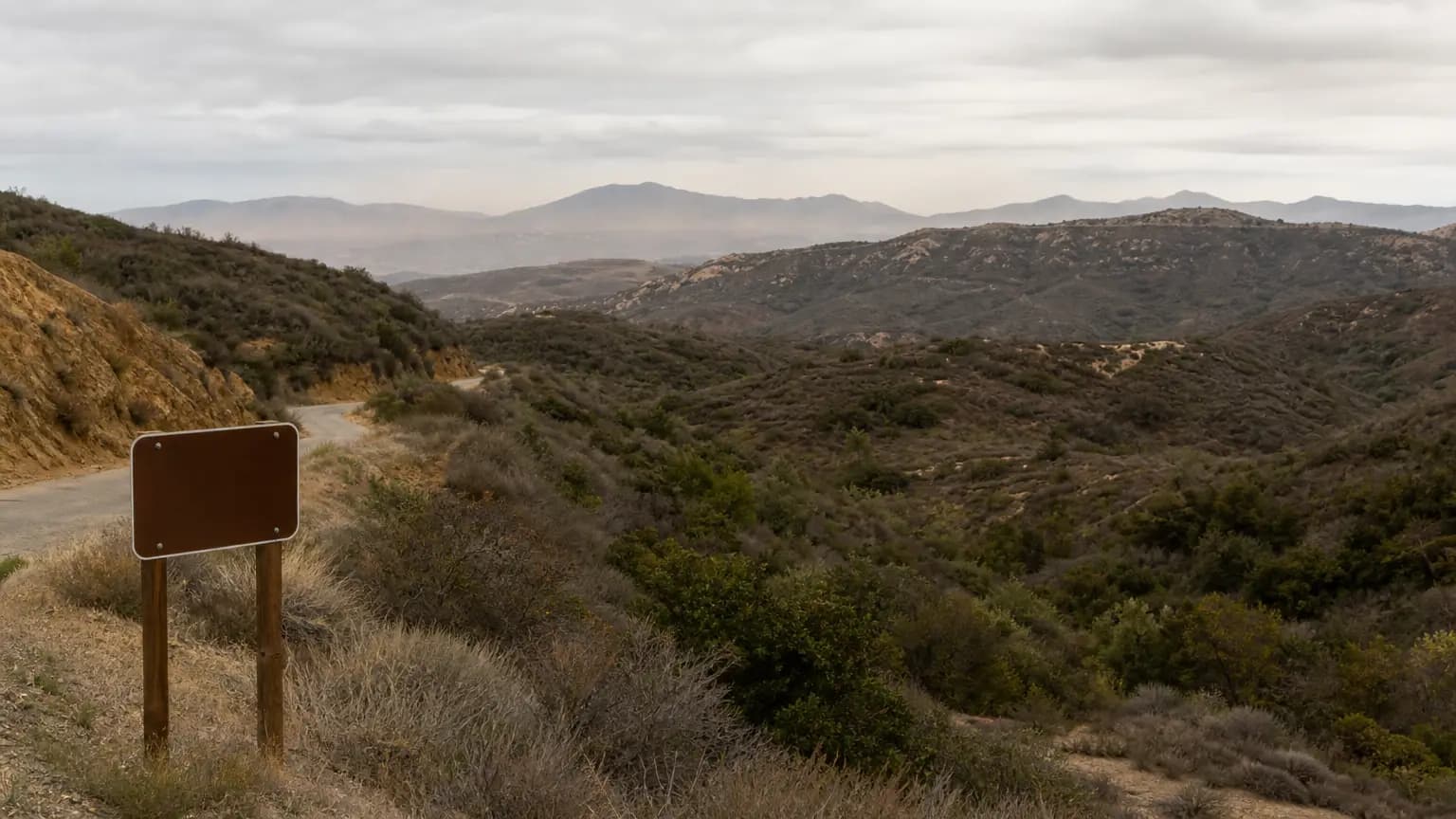
For decades, the 805 region has grappled with the "sundowner" winds—gusty, dry offshore winds that typically peak in the late afternoon and early evening. Unlike the more widely recognized Santa Ana winds that impact Southern California as a whole, sundowners are a highly localized phenomenon created by the region's unique topography. As inland valleys heat up during the day, the air is pushed over the Santa Ynez Mountains and accelerates down the southern slopes toward the coast.
Understanding exactly how these winds interact with local dry fuels to create explosive fire conditions has historically been a challenge for meteorologists. However, a coalition of local researchers and fire agencies is slowly demystifying the relationship between sundowner winds and extreme wildfire behavior, aiming to provide better predictive models for front country communities.
The Anatomy of a Sundowner Event
Sundowners are notoriously deceptive. A day in Santa Barbara can begin with a thick marine layer, giving way to mild, beautiful weather by mid-afternoon. But as the pressure gradients shift, the wind direction can abruptly change, bringing hot, arid air cascading down the mountains at highway speeds. Relative humidity can plummet from comfortable levels to below 10 percent in a matter of hours.
This rapid drying and increase in wind speed drastically lowers the moisture content of local vegetation, turning the chaparral and oak canopies in the Santa Barbara front country into a tinderbox. Forecasting these events is notoriously difficult. The steep, sheer faces of the Santa Ynez Mountains create complex micro-climates. A wind event might pummel the community of Montecito or the area around Westmont College while leaving downtown Santa Barbara relatively untouched.
Historical Precedents in the 805 Region
The destructive potential of this localized weather phenomenon is etched into Santa Barbara’s history. Over the past several decades, the region has seen several catastrophic wildfires driven by these intense evening gusts.
The relationship between sundowners and urban firestorms was laid bare during the Tea Fire. What began as a seemingly idyllic mid-November afternoon in 2008 transformed into a night of terror. On the evening of Nov. 13, a fire ignited above Westmont College. Fueled by severe drought conditions and sudden sundowner winds, the fire made a rapid downhill run.
According to reports from local news outlet Noozhawk, the Tea Fire destroyed 210 homes, eight Westmont College buildings, 15 faculty residences, and charred 1,940 acres in less than six hours. Similar dynamics were at play during the Jesusita Fire in May 2009, which also threatened the same canyon areas and destroyed dozens of structures. In the city of Santa Barbara, conditions can change from benign to a red flag warning in a remarkably short window, leaving residents with little time to evacuate.
Advancing Fire Science and Local Preparedness
The unique threat posed by sundowners has prompted researchers to take a closer look at how to better predict them. While regional Red Flag Warnings issued by the National Weather Service are vital, the scientific community is utilizing specialized tools to forecast these hyper-local winds.
Universities and atmospheric scientists have increasingly focused on the Santa Barbara coast as a primary study area for downslope windstorms. By deploying temporary meteorological stations and utilizing high-resolution weather modeling, researchers are trying to identify the specific meteorological thresholds that turn a standard evening breeze into a 70-mile-per-hour fire accelerator.
For residents living in the Wildland-Urban Interface (WUI)—particularly in the Riviera, Mission Canyon, and Montecito areas—understanding these scientific advancements is directly tied to their safety. Improved forecasting allows the Santa Barbara County Fire Department and local law enforcement to preemptively stage resources and issue more accurate, timely evacuation warnings.
The threat of sundowner winds remains an unavoidable reality of living on the Central Coast. However, as the scientific understanding of these winds improves, Santa Barbara's emergency responders are better equipped to mitigate the damage, ensuring that the next time the wind shifts, residents are not caught off guard.
Reported by 805.life
Researched and written drawing on primary sources. Additional reporting: Noozhawk.
City
Santa BarbaraAdditional Reporting
NoozhawkPublished
July 25, 2026
Reported and written by 805.life
Explore Santa BarbaraAll Santa Barbara NewsMore News from Santa Barbara
Al no haber arma homicida, el juicio contra Caleb Flynn se centra en la relación extramatrimonial y en el supuesto intruso
A murder trial unfolding just up the coast is drawing attention here in Santa Barbara, and it's the kind of case that's hard to look away from. Caleb Flynn's trial, reported by KEYT News Channel 3-12, has no murder weapon — instead, prosecutors are leaning on testimony about a secret church affair, thousands of deleted texts, and lies told to the FBI. Even the family dogs stayed eerily quiet that night, which has become a strange piece of the puzzle. For those of us in the 805, it's a reminder that even tight-knit communities aren't immune to the kind of drama you'd expect from a courtroom thriller. Cases like this can shake faith in neighbors and institutions, and they raise hard questions about trust and evidence. We'll be watching how the trial unfolds — not out of spectacle, but because it touches on the real lives of people not so far from home.
UCSB Recovers From Slow Start, Beats CS Northridge in Big West Volleyball Opener
Good news for Gaucho fans — UCSB women's volleyball finally got back in the win column Friday night at the Thunderdome, shaking off a slow start to beat Cal State Northridge in the Big West opener. After dropping the first set, the team looked like a squad still finding its footing following a tough preseason that ended on a six-match skid. But conference play is a fresh slate, and the Gauchos took advantage. For our Isla Vista and Goleta neighbors, there's something special about catching a match on campus — cheap tickets, loud student section, and a team that's easy to root for. Thanks to Noozhawk for the coverage. If you haven't been to a UCSB volleyball match yet, consider this your sign to check one out this season.
Cottage Health Hosts Sepsis Conference Focused on Early Recognition and Treatment
Cottage Health pulled together doctors, nurses, pharmacists, respiratory therapists and other clinicians from across the region on Friday, Sept. 18, for a conference zeroing in on one of medicine's trickiest foes: sepsis. If you've never heard the word, you're not alone — but it's a leading cause of death in hospitals, and the difference between a good outcome and a tragic one often comes down to how fast someone recognizes the signs. That's why this gathering matters here. Santa Barbara County spans a big, sometimes rural region, and not every clinic or ER has the same resources. When Cottage Health convenes providers from up and down the 805 to share protocols and lessons learned, it quietly raises the standard of care for all of us — whether you're in Goleta, Lompoc, Santa Maria or Santa Ynez. The Santa Barbara Independent first reported the conference, and it's the kind of unglamorous, behind-the-scenes work that keeps our community healthier. Next time you or a loved one lands in an ER with a puzzling fever, this is the preparation you'll be glad happened.