Tenants and Landlords
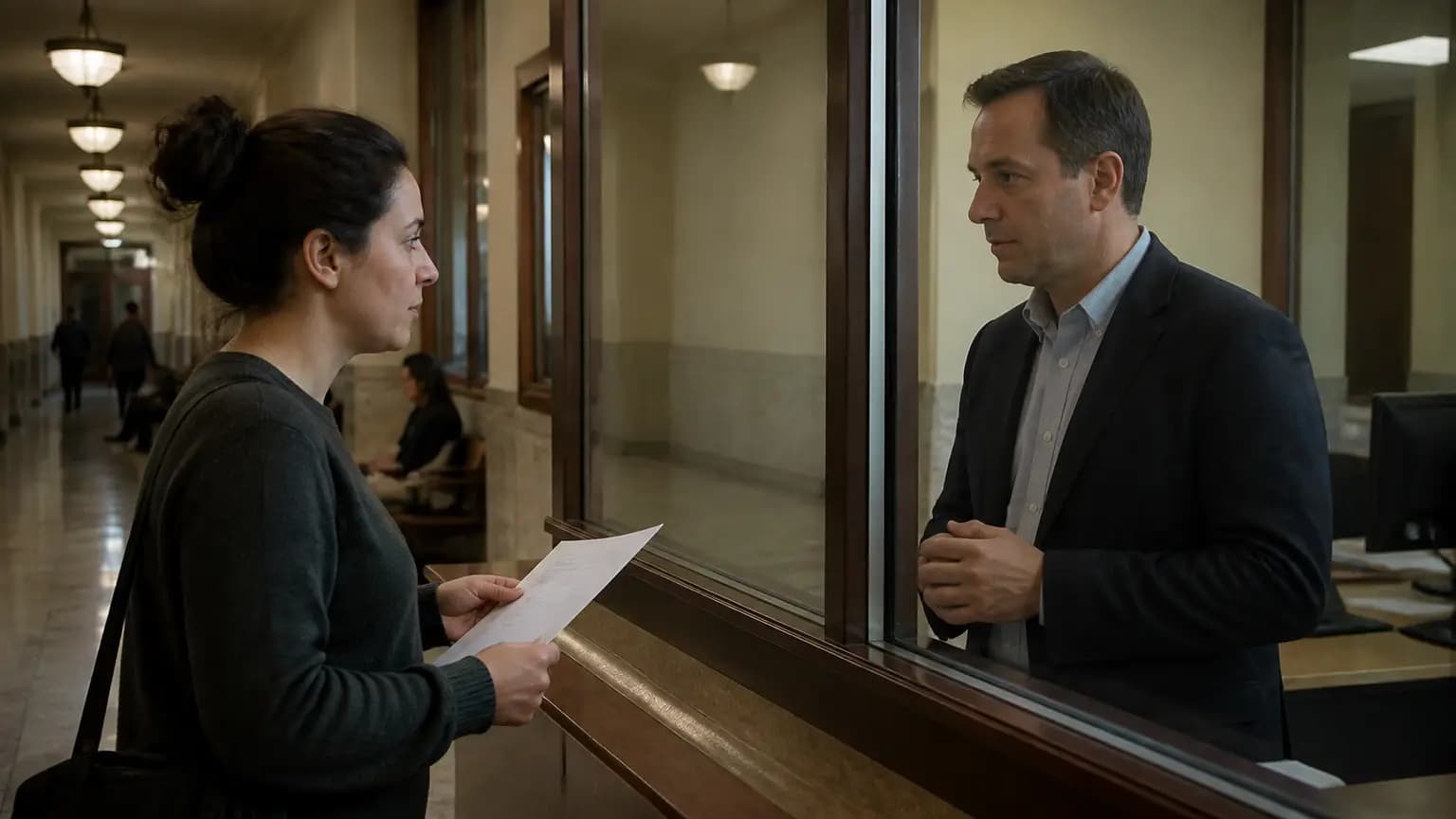
A candid first-person essay published by the Santa Barbara Independent is drawing attention to the long-running tensions between renters and landlords in Santa Barbara — a debate that has only intensified as the region grapples with some of the highest housing costs in California.
The opinion piece, written by Jeff Ross and published August 26, 2026, is framed as a memoir of nearly five decades spent in and around the local rental market — first as a struggling tenant, then as an "unwilling landlord," and finally as the owner of a Santa Barbara property management business. His central argument is blunt: "being a landlord is a business. These people who own rental properties operate for profit. It's a business! It puts food on their tables."
A Half-Century View of the Local Housing Squeeze
Ross's story begins in the mid-1960s, when as a 10-year-old he cleaned out units at his father's four rental properties in the San Gabriel Valley. After being discharged from the military in the summer of 1975, he settled in Oxnard and bought a $20,000 condo with his savings — but found himself unable to sell it when he wanted to move to Santa Barbara, commuting for roughly four years instead.
His path into Santa Barbara housing was incremental: a roommate arrangement found through newspaper ads offering services in exchange for reduced rent, then a trailer in a trailer park, then what he describes as "a shack in the Carp foothills," before finally purchasing property at the bottom of the condo market. The Oxnard condo he couldn't sell made him a landlord by default.
That personal history grounds his central observation: "It isn't easy making it in Santa Barbara. It has always been that way." What has changed, in his view, is the tenor of the conversation — what he calls "this entitlement thing," a push to "change the rules and protocols, not the process."
Inside the Property Management Business
Ross writes that he eventually opened a concierge-style property management company, overseeing units that had been owned for years, many built in the late 1960s and 1970s. The owners, he says, prioritized finding "good, well-deserving tenants" over maximizing returns, though the aging buildings constrained who could live there — he says he could not place children in some units because of liability concerns such as railing heights that wouldn't meet updated building codes.
The demand side of the market was stark. When he listed units on Craigslist, he says he had to pull the ad after roughly five hours because 20 to 30 interested parties would respond. He screened applicants first by credit score, then by profession, favoring what he described as essential employees — nurses, police officers, firefighters, and government workers. He acknowledges his "only problems occurred when I would fall for the sob stories," adding that he "eventually developed some rhino skin."
His account also includes his reasoning on difficult screening decisions. He writes that he declined to participate in the Section 8 voucher program, citing administrative burdens — though he describes one exception in which he held a unit off the market through a roughly two-month HUD vetting process for a mother with two children. That tenancy, he writes, ended after five months when the tenant moved back in with a boyfriend he describes as abusive.
Housing Policy Debates Frame the Essay
Ross places his reflections against the backdrop of contemporary renter-rights conflicts, writing that "there's a lot going on with Renters Rights vs Landlords" — a nod to the tenant-protection ordinances, just-cause eviction rules, and rent-cap measures that have swept through California cities in recent years. He says the "recent changes in the property management sector" were part of what dictated his retirement from the business, alongside his retirement from the Santa Barbara County Fire Department.
His path into that fire career features in the essay as well. Ross writes that he took more than 25 fire department exams across California over four years — a gauntlet he half-jokingly attributes in part to the popularity of the TV show Emergency!, which inspired a generation of aspiring firefighters, and to the new federal affirmative action hiring requirements of the 1970s. The show's star, Randy Mantooth — whom Ross describes as "a local boy" — passed away recently, prompting the essay.
The View From Both Sides of the Lease
Perhaps the most pointed tension in the piece is that Ross has lived on both sides of the landlord-tenant divide. He recounts years of scraping together housing in one of California's least affordable markets, and notes that his own grown children have left the state for cheaper places with better job opportunities — "as the job opportunities, as well as housing costs, are the same as they will forever be. Not that it's right. But that it is what it is."
Yet he closes with the counterpoint that defined his career: the letters of appreciation from long-term tenants who, after eight to ten years of renting, managed to buy homes of their own and credited the below-market rents they'd paid. "That was worth it," he writes.
The essay arrives as Santa Barbara continues to wrestle with how to balance tenant protections against the realities of a rental market where, as Ross puts it, "if you don't pay, someone else will." Whether readers agree with his framing or not, his decades of frontline experience offer a window into how the local rental business actually operated — and why he believes the economics, not just the rules, will keep deciding who gets to live in Santa Barbara.
Reported by 805.life
Researched and written drawing on primary sources. Additional reporting: Santa Barbara Independent.
City
Santa BarbaraAdditional Reporting
Santa Barbara IndependentPublished
August 26, 2026
Reported and written by 805.life
Explore Santa BarbaraAll Santa Barbara NewsMore News from Santa Barbara
 Santa Barbara
Shorthanded Bishop Diego no match for Marmonte League foe St. Bonaventure
Tough Friday night for the Cardinals, and honestly, you have to feel for these kids. Bishop Diego fell 42-0 to St. Bonaventure, their fifth straight loss, but the scoreboard doesn't tell the whole story — the team is down close to ten players for the season with injuries. That's not a depth problem, that's a numbers problem. St. Bonaventure's Tony Dargan punched in two rushing touchdowns before halftime as the Seraphs rolled to a 21-0 lead, and the Marmonte League gap was just too much for a shorthanded Bishop Diego squad. For a small school on the Mesa, suiting up week after week with that many guys out says something about the players still grinding out there. If you see a Cardinal player around town this week, give them a nod. Thanks to KEYT News Channel 3-12 for keeping eyes on our local teams, even in the hard seasons.
 Santa Barbara
The Santa Barbara Way Includes and Values All Community Voices
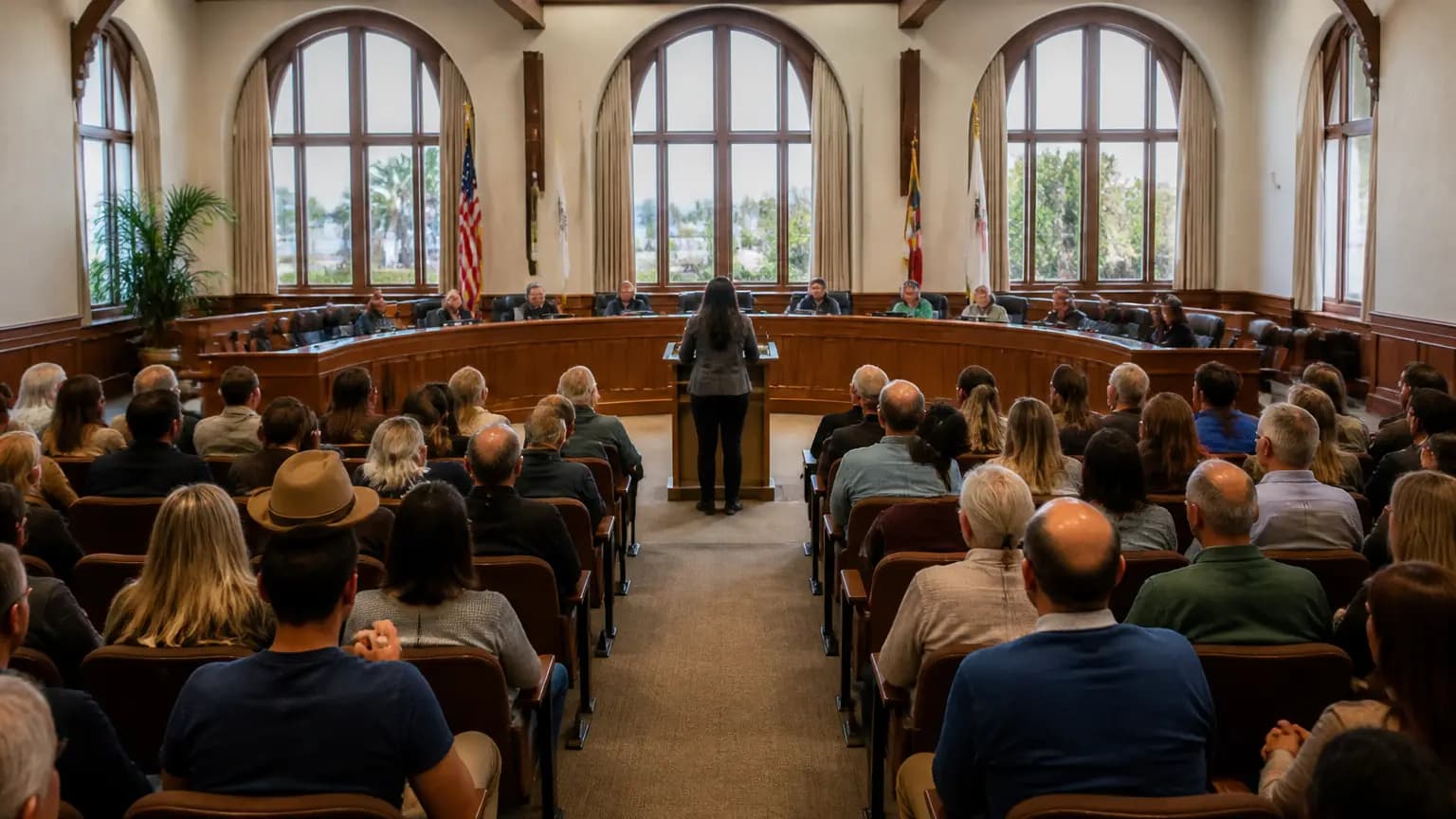
If you've felt a little tension around town lately, you're not imagining it. A recent piece in the Santa Barbara Independent makes the case that the division we're sensing isn't the Santa Barbara way at all — it's what happens when whole segments of our community get left out of the conversation. That resonates here on the Central Coast. From the Eastside to Goleta to Carpinteria, our strength has always been that neighbors show up, listen, and make room for each other. When voices get sidelined, decisions stop reflecting who we actually are. The good news? This is fixable, and it starts small — at kitchen tables, on front porches, and in the comment sections. Let's keep inviting everyone in. That's the 805 way, and it's the Santa Barbara way too.
 Santa Barbara
Departamento de Policía: Accidente fatal con fuga
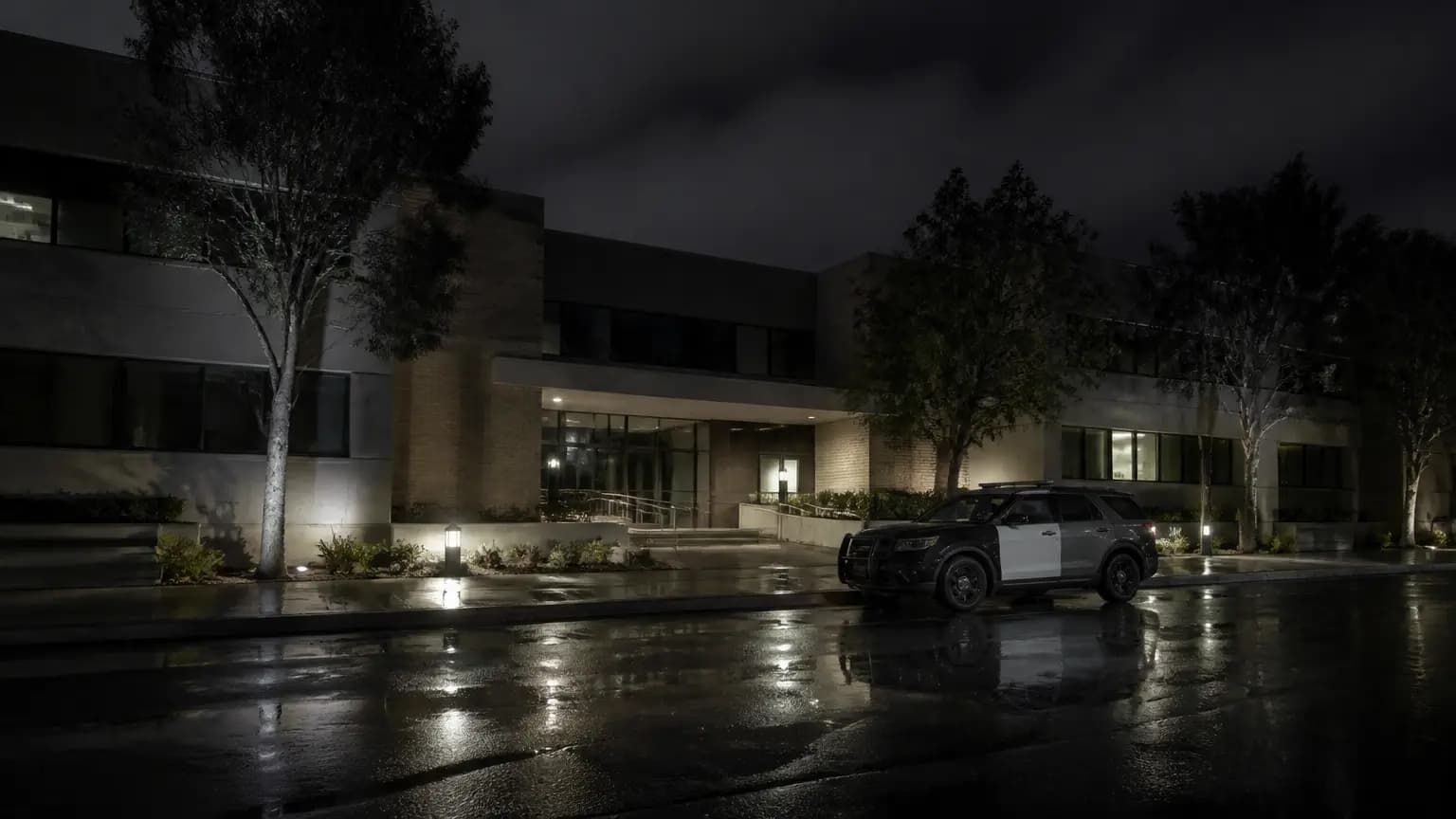
Late Thursday night, Santa Barbara police responded to a fatal hit-and-run crash near our neighborhood streets around 10:09 p.m. This is the kind of news that hits hard here — we know these roads, we walk them with our kids, and someone out there chose to drive away instead of stopping. If you were in the area that night or saw anything unusual, please reach out to the Santa Barbara Police Department. Even a small detail can help bring answers to a grieving family. The Santa Barbara Independent first reported the story, and we'll keep following it as more information becomes available. Take care of each other out there, Santa Barbara. And if you know the driver, do the right thing — come forward.