The Wildlands Conservancy secures $42 million to preserve Diablo Canyon land
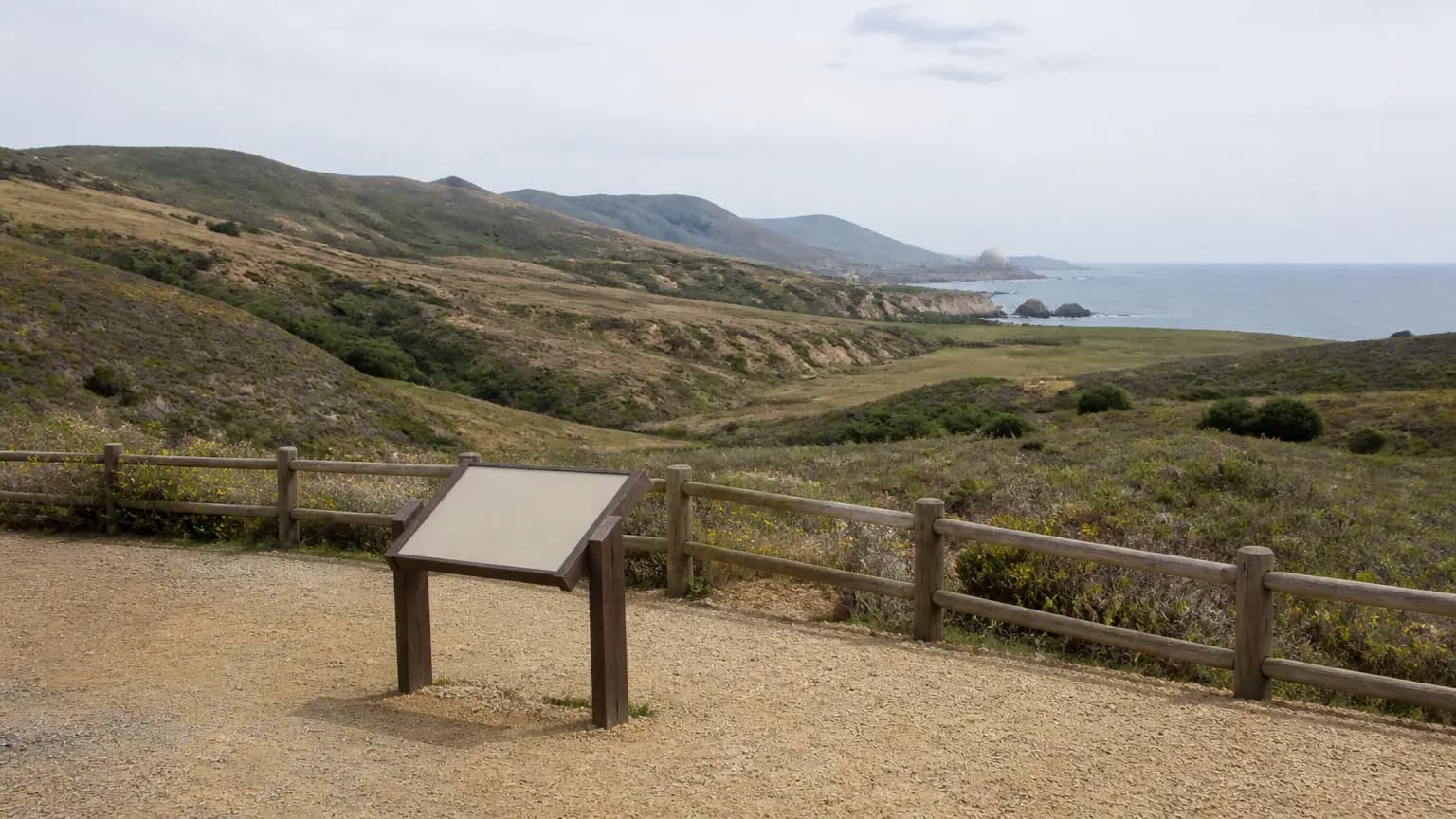
One of the longest-running conservation sagas on the Central Coast took a decisive turn this month, when the California State Coastal Conservancy unanimously approved a $42 million grant to the Wildlands Conservancy to acquire Wild Cherry Canyon — the 2,400-acre coastal open space southeast of the Diablo Canyon nuclear power plant, as New Times SLO (Grover Beach) reported.
For Grover Beach residents and anyone who treasures the stretch of coastline between Pismo Beach and Point San Luis, the stakes are concrete: a property once targeted for as many as 15,000 estate-style homes will instead be protected in perpetuity for its ecological, cultural and scenic value — and, eventually, public access.
What the grant does
The award positions the Wildlands Conservancy, a California land preservation group, to become the eventual owner of Wild Cherry Canyon. According to the New Times report, the funds will allow the organization to acquire both the leaseholder interest and the fee title of the property from Eureka Energy, a subsidiary of Pacific Gas and Electric Company.
The timeline laid out in the reporting is relatively brisk by the standards of a deal that has been in discussion for roughly 26 years: the Wildlands Conservancy plans to purchase the leaseholder interest by the end of this year or early 2027, then acquire the fee title by the end of 2027. PG&E will retain roughly 200 acres needed for road access to Diablo Canyon, along with about 50 acres previously developed with a house.
Management of the land will be a partnership. The Wildlands Conservancy will work alongside the Land Conservancy of San Luis Obispo County and the yak titʸu titʸu yak tiłhini (ytt) Northern Chumash Tribe, whose ancestral ties to the property run deep.
A long wait for the Northern Chumash
The most pointed testimony at the Coastal Conservancy meeting came from ytt tribal Chair Mona Tucker, who told the board that the people who lived at and were buried in Wild Cherry Canyon are the tribe's relatives.
"We had hoped for a very long time that Wild Cherry Canyon would be protected and preserved," Tucker said, according to New Times. "For the last 250 years, we have kept an eye on Wild Cherry Canyon and the Diablo Canyon lands, but from afar, because those gates were locked, and no one gave us a key."
Tucker supported the conservation effort while cautioning that resources found on the property, tribal or otherwise, must be handled delicately and with precision.
How the deal finally came together
Wild Cherry Canyon is the southernmost parcel of roughly 12,000 acres surrounding the Diablo Canyon plant — land that also includes North Ranch and South Ranch — owned by PG&E and its affiliates. For years, the canyon was tangled in litigation between Eureka Energy and HomeFed Corporation, a real estate development company holding a long-term lease, over rights to the 99-year lease on the property.
Conservation attempts have repeatedly fallen short. State Sen. John Laird (D-Santa Cruz) noted in a pre-recorded video to the Coastal Conservancy that Gov. Arnold Schwarzenegger once tried to strike a deal to acquire the canyon from HomeFed, but it collapsed. Kara Woodruff, Laird's district director and senior policy advisor, told New Times the deal died during the Schwarzenegger administration after then-state Sen. Sam Blakeslee's vote displeased the governor. Laird also made unsuccessful attempts as state natural resources secretary under Gov. Jerry Brown.
The breakthrough came last December, when the California Coastal Commission required PG&E to offset the impacts of Diablo Canyon's continued operations as a condition of a coastal development permit. Woodruff said the commission concluded the most effective mitigation was protecting the surrounding watershed, and PG&E agreed to transfer 4,600 acres at North Ranch for conservation and public access, establish a path toward conserving Wild Cherry Canyon and South Ranch, and double its trail investment to $10 million. Woodruff credited Laird with negotiating the package.
The money follows a similar trail. A partnership between Laird and Assemblymember Dawn Addis (D-Morro Bay) secured $40 million following the 2023-24 legislative session, allocated in 2024 and set aside in Senate Bill 846 for conservation of and public access to Diablo Canyon lands. The final $2 million completing the grant comes from the state general fund.
Why it matters on the Central Coast
For decades, Wild Cherry Canyon has represented both a threat and a promise to nearby communities. Development proposals — including the massive estate-home concept — loomed over the property, while conservationists and tribal members pushed to keep the land wild. Woodruff, a longtime preservation advocate who told New Times she plans to run for SLO County supervisor in the 3rd District, where Diablo Canyon sits, in 2028, put it plainly: those old development proposals "will never happen on Wild Cherry Canyon."
For Grover Beach and the Five Cities area, the preservation dovetails with broader efforts to expand coastal access as Diablo Canyon's future continues to be debated. The North Ranch transfer and PG&E's $10 million trail commitment signal that public access — long blocked, as Tucker noted, by locked gates — is becoming a real part of the region's future rather than an afterthought.
What comes next will be worth watching: the leaseholder purchase expected by early 2027, the fee title transfer by the end of that year, and the details of how the Wildlands Conservancy, the Land Conservancy of San Luis Obispo County and the ytt Northern Chumash Tribe share management of a landscape that has waited a very long time for this moment.
Reported by 805.life
Researched and written drawing on primary sources. Additional reporting: New Times SLO (Grover Beach).
City
Grover BeachAdditional Reporting
New Times SLO (Grover Beach)Published
September 24, 2026
Reported and written by 805.life
Explore Grover BeachAll Grover Beach News