UC Santa Barbara’s Missing Housing: The Mystery Continues
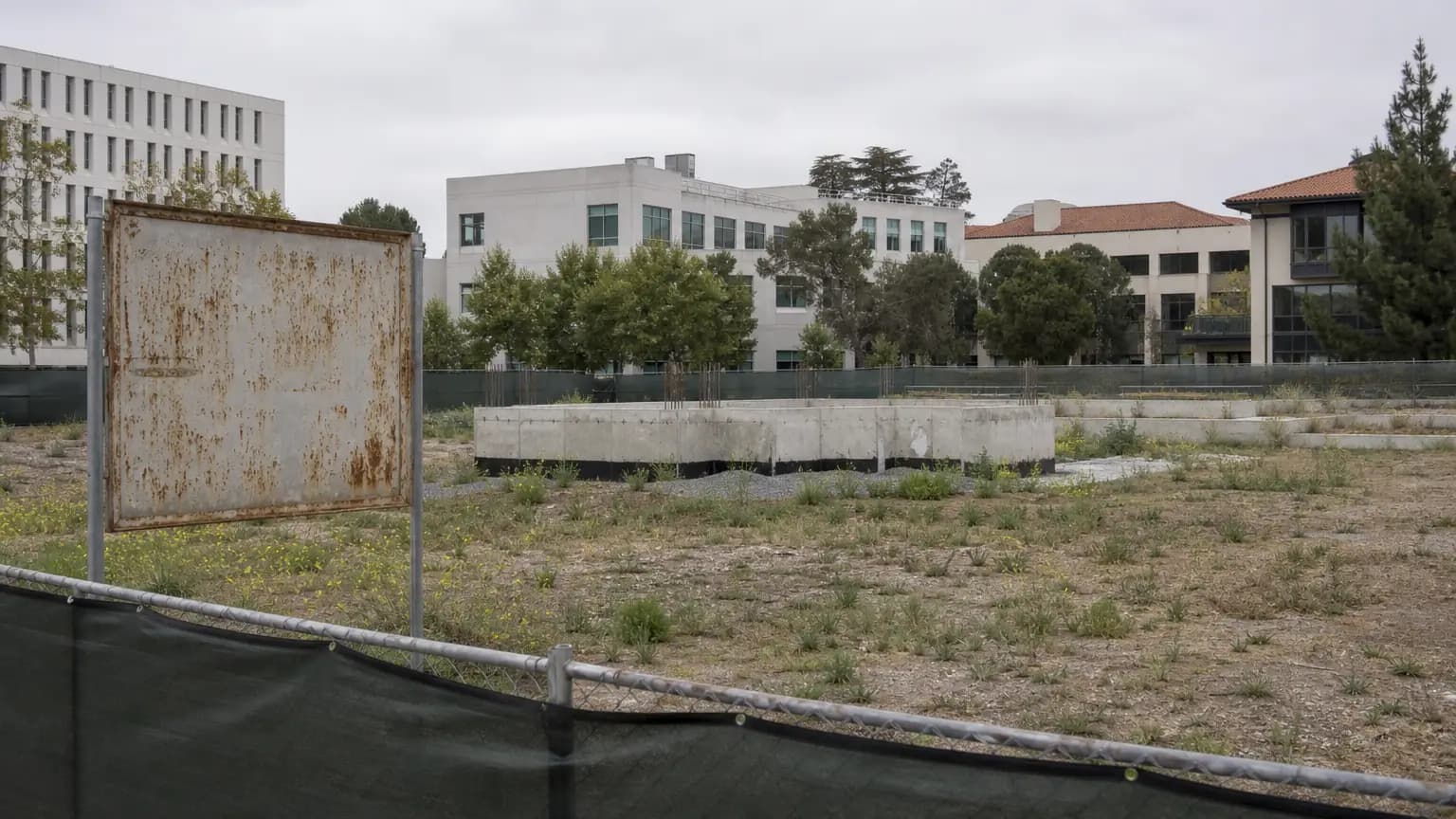
A long-promised block of workforce housing that was supposed to ease Santa Barbara's brutal rental market remains stubbornly unbuilt — and a community coalition has gone to court to force UC Santa Barbara to explain itself.
In an opinion piece published Thursday by the Santa Barbara Independent, Dick Flacks — emeritus professor of sociology and convenor of the watchdog group Sustainable University Now (SUN) — renewed a public call for transparency around UCSB's repeated failure to build the Ocean Road faculty and staff housing project, first proposed in 2005, while also raising concerns about the university's broader commitment to the roughly 1,800 employee housing units promised under its 2010 Long Range Development Plan.
A Promise Two Decades in the Making
The Ocean Road project has one of the longer track records of delay in local history. Originally proposed in 2005, the development was slated for construction in 2007 before being halted in 2009 amid public concern over its environmental impact — including the potential loss of a row of eucalyptus trees along the UCSB-Isla Vista boundary. The project then sat in planning limbo for years as the 2010 LRDP was drafted.
As currently envisioned, Ocean Road would deliver up to 540 housing units — 180 for-sale townhomes and 360 rental units — on 16.7 acres of university land bordering Isla Vista, at rates significantly below market value. A 2022 UCSB news release called it "transformative" and said Regents had approved the project's business terms and environmental review. That approval, however, did not produce shovels in the ground.
Since then, a succession of private developer partnerships have been pursued and abandoned. The Santa Barbara Independent reported in July 2023 that the private developer announced as UCSB's partner for Ocean Road — identified in that reporting as Greystar — had withdrawn, leaving the project without a development partner again. Ocean Road had been delayed for years in pursuit of a private developer, even though previous UCSB faculty housing was developed by the campus housing authority without private partners.
Meanwhile, UCSB's student enrollment blew past the 25,000-student cap set in the 2010 LRDP years ahead of schedule — reaching that threshold in 2019, six years earlier than the plan projected — compressing housing pressure on the region well before the infrastructure promised to absorb it was ready.
The SUN Lawsuit and the Secrecy Problem
SUN — a coalition that includes the Citizens Planning Association of Santa Barbara County, the League of Women Voters of Santa Barbara, and the Santa Barbara County Action Network — endorsed UCSB's enrollment growth in 2011 based on legally binding commitments to build housing and pursue sustainability measures. When those commitments went unfulfilled, the coalition began pushing for answers.
SUN filed a Public Records Act request on April 8, 2022, seeking documents related to UCSB's housing progress under the LRDP, the Environmental Impact Report, and the 2011 cooperative agreement. After repeated reminders went unanswered, SUN filed a lawsuit in Santa Barbara County Superior Court on February 28, 2024, alleging UCSB had failed to comply with its PRA obligations. The law firm of Marc Chytilo and the Mitchell M. Tsai Law Firm represent the group.
The litigation has not moved quickly. A settlement attempt failed on April 25, 2025, and the case was headed to a trial confirmation conference. As of Flacks' July 2026 op-ed, the suit is ongoing, with SUN still seeking records on why Ocean Road's private-partner search has persisted despite its repeated failures, why pre-Munger dormitory plans were shelved when philanthropist Charles Munger stepped in with his unconventional design, and what exactly Munger was offering the university.
SUN is not alone in having taken UCSB to court over housing. Santa Barbara County filed a lawsuit against the UC Regents in September 2022 accusing the university of violating the 2010 LRDP, and the City of Goleta filed a separate suit in 2021. The Goleta litigation resulted in a settlement — approved by a majority of the City Council — in which UCSB committed to constructing approximately 3,500 additional student beds by September 1, 2029. But the settlement yielded only a vague commitment on employee housing, according to Flacks.
What Has Been Built — and What Hasn't
The picture on the ground is mixed. On the student housing side, the collapse of the Munger Hall mega-dormitory project — which would have added 4,500 beds but was scrapped after years of controversy over its windowless design — cleared the way for the San Benito and East Campus housing projects. Chancellor Dennis Assanis, who took office September 1, 2025, has said publicly that housing is "among his highest priorities" and that the San Benito and East Campus projects represent a "$1.1 billion investment" intended to add roughly 3,500 student beds in the coming academic years.
On the faculty and staff side, progress is far thinner. UCSB announced in early 2025 that it would purchase an 80-unit apartment building on State Street and a commercial building at the former Staples location — moves officials said would yield a combined 159 units. A $7 million gift was also announced in April 2025 to fund 45 housing units for researchers at the Kavli Institute for Theoretical Physics. Meanwhile, UC Regents approved a new financing method for a "reimagined" Ocean Road in March 2025, with the pilot site now planned for Lot 23, and UCSB was working on a new Request for Qualifications to resume the project.
But critics note the cumulative total falls far short of the roughly 1,800 employee units promised in the 2010 LRDP. UCSB spokesperson Kiki Reyes pushed back on that framing in a statement to the Daily Nexus in May 2025, arguing that the LRDP is "aspirational in nature" and that slower-than-expected faculty and staff growth — along with expanded remote work — has reduced the urgency of the original targets.
What It Means for Santa Barbara Residents
For people who live and rent in Santa Barbara, UCSB's unbuilt employee housing has a direct cost. Faculty and staff who can't afford to live near campus commute from Lompoc, Santa Ynez Valley, Ventura, and points beyond — adding cars to Highway 101 and contributing to a regional traffic burden the 2010 LRDP was explicitly designed to reduce. The local rental market, already one of California's tightest, absorbs demand that campus housing would otherwise capture.
The contrast with peer campuses is pointed. Flacks and others have long noted that UC Irvine and UC San Diego have developed substantially more employee housing than UCSB, much of it through in-house development rather than the private-partner model UCSB has repeatedly pursued without success.
A New Chancellor, an Unresolved Question
Flacks' July 2026 piece frames the arrival of Chancellor Assanis as a potential turning point — if the new administration chooses to treat it as one. Assanis was inaugurated at the Lobero Theatre on May 27, 2026, and has spoken publicly about community-campus relationships as a central priority. But Flacks wrote that as of the op-ed's publication, SUN had received no response to requests to meet with the chancellor about housing — and that student and other campus groups seeking similar meetings had also been turned away.
The point Flacks returns to is a structural one: when Munger Hall's problems were finally aired openly, a viable alternative emerged. He argues that the same logic applies to Ocean Road and the broader employee housing shortfall — that public deliberation, not closed-door deal-making with private developers, is what produces results.
Whether Chancellor Assanis will open that conversation remains, for now, an open question.
Reported by 805.life
Researched and written drawing on primary sources. Additional reporting: Santa Barbara Independent.
City
Santa BarbaraAdditional Reporting
Santa Barbara IndependentPublished
July 16, 2026
Reported and written by 805.life
Explore Santa BarbaraAll Santa Barbara NewsMore News from Santa Barbara
 Santa Barbara
Dos Pueblos Boys Water Polo Captures League Crown With 17-12 Victory Over San Marcos
Dos Pueblos boys water polo is bringing another league title back to Goleta, and Charger fans have plenty to celebrate after a 17-12 win over rival San Marcos. The crosstown matchup is one of those Channel League showdowns that always draws a crowd, and this one delivered on both ends of the pool. Next up, the Chargers head to Ventura on Tuesday, while San Marcos looks to bounce back against Buena. For families with kids in local aquatics programs, nights like this are a reminder of how deep the water polo tradition runs here along the 805 coast. Thanks to the Santa Barbara Independent for keeping us posted on the postseason push. Grab a towel, pick a side, and go support these student-athletes — South Coast water polo is worth the drive.
 Santa Barbara
Dos Pueblos Boys Water Polo Clinches Outright Channel League Title with 17-12 Win Over San Marcos
Chargers fans, take a bow. Dos Pueblos boys water polo beat crosstown rival San Marcos 17-12 on the road Thursday, locking up the outright Channel League title and keeping that perfect 5-0 league mark intact. As Noozhawk reported, the Chargers sit at 20-6 overall with just Ventura left on the league schedule. There's something special about a Dos Pueblos–San Marcos matchup. These two schools share a city, a pool culture, and plenty of bragging rights, so a win like this means a little more than the standings show. Water polo runs deep here on the Central Coast, and nights like Thursday remind us why. One league game remains, but the banner is already theirs. Congrats to the players and coaches — go Chargers!
 Santa Barbara
Santa Barbara Police Make Arson Arrest Following Multiple Fires on Modoc Road
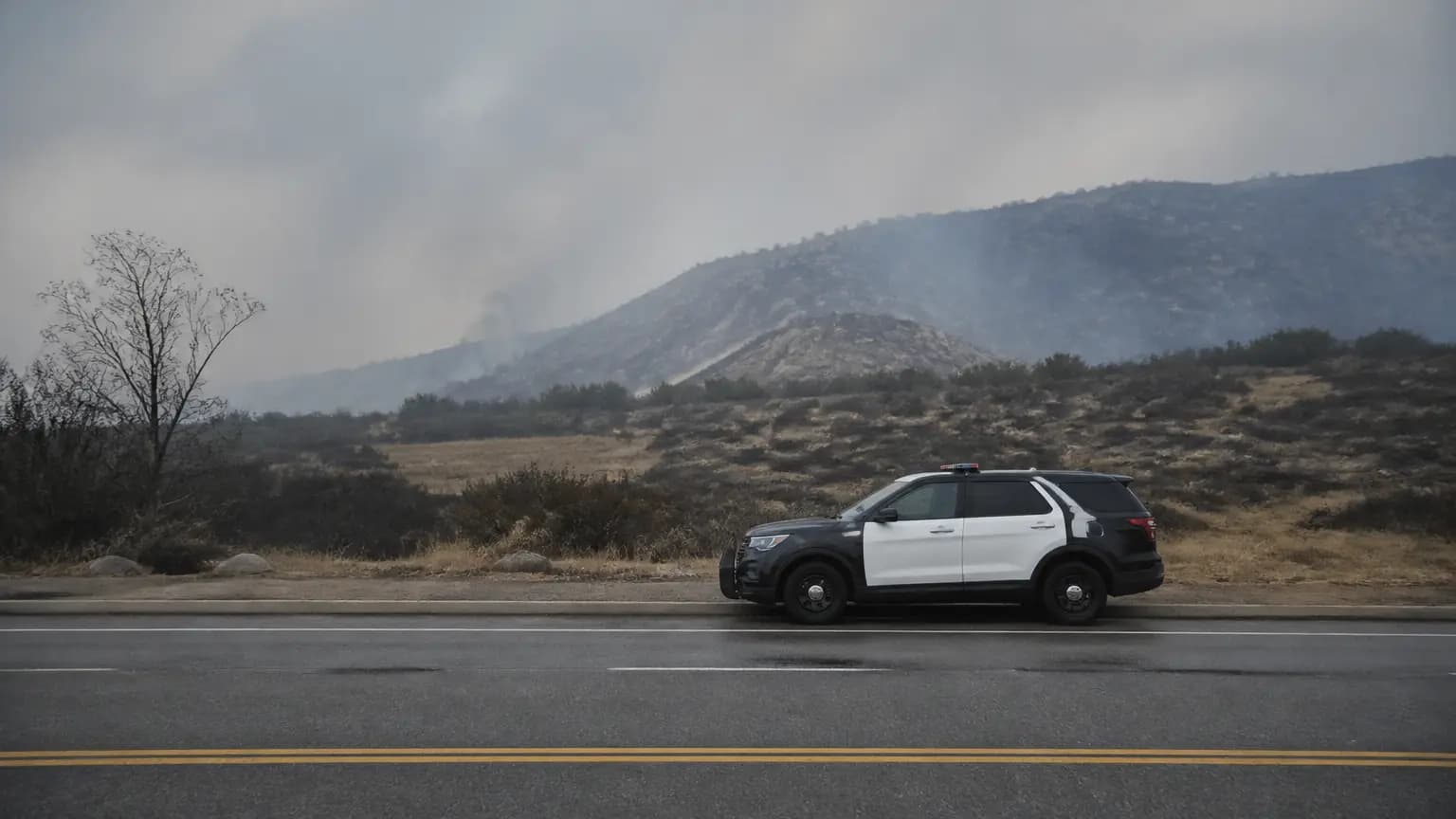
Neighbors on Modoc Road can breathe a little easier this week. Santa Barbara Police say they've arrested Calletano Bedolla-Bibiano, who allegedly admitted to setting three brush fires on Thursday and has been linked to four more last weekend. That's seven fires in a matter of days, all in one stretch of our community. It's easy to scroll past fire news when we're not in the thick of a red-flag warning, but this one hits close to home. Modoc Road runs along neighborhoods, near open space, and with our dry hillsides and fall winds, a single spark can turn into something no one can control. The fact that these were allegedly intentional makes it feel different, and honestly, a little unsettling. We're grateful to the Santa Barbara Police Department and the first responders who put these fires out before they grew. Thanks to the Santa Barbara Independent for staying on it. If you live nearby, keep an eye out, check on your neighbors, and report anything suspicious.