Why Hasn’t the Jail Design Changed?
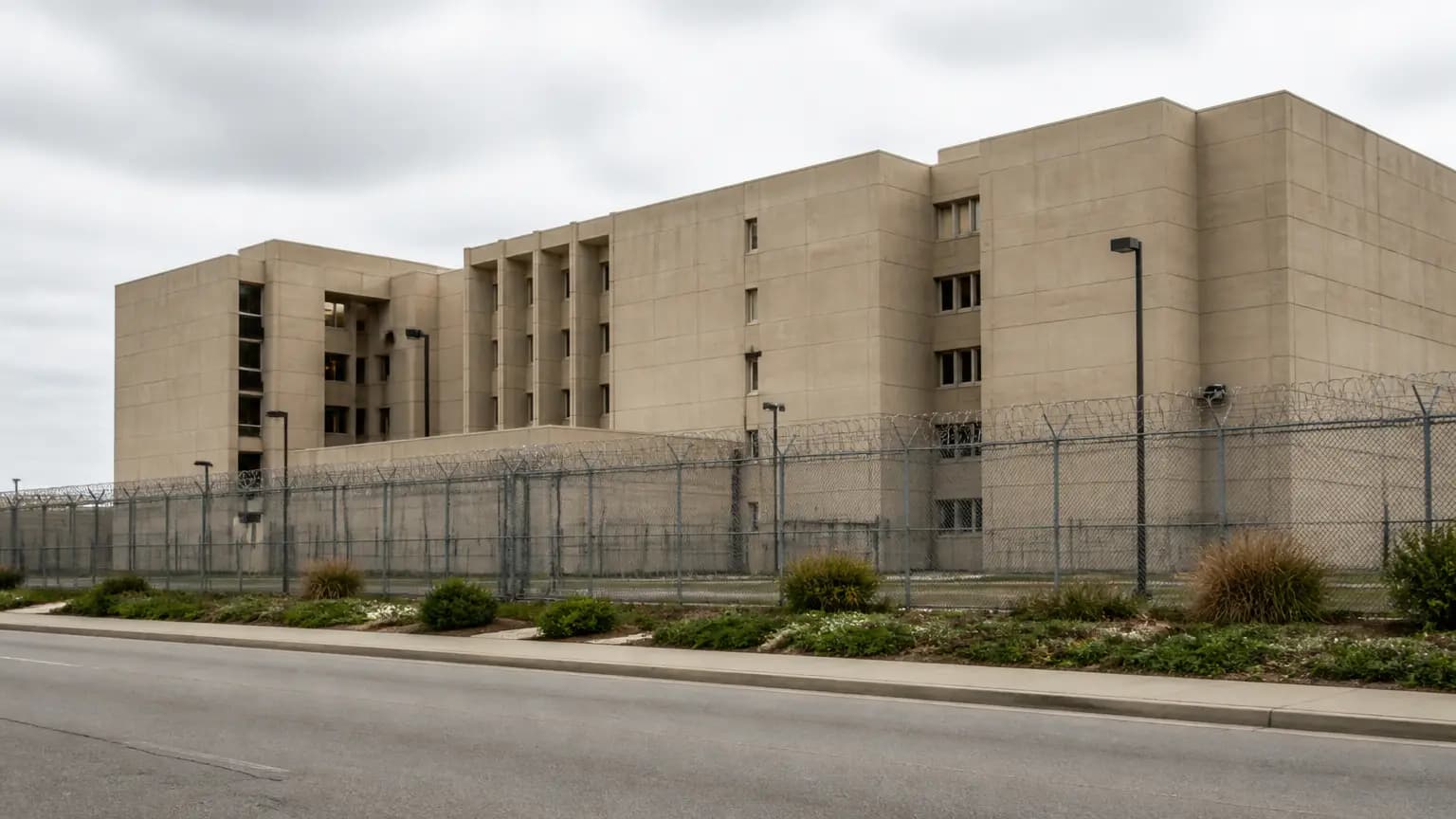
Santa Barbara County supervisors are set to vote October 20 on a proposed $167 million replacement design for the North Branch Jail — a decision that criminal justice advocates say deserves a harder look, given that the county's average daily jail population has dropped by 141 people over the past year and a half.
The Santa Barbara Independent published an opinion piece Wednesday co-authored by Maureen Earls, co-chair of the CLUE SB/League of Women Voters Criminal Justice Workgroup, and Robert Ornstein, pressing the county to reconsider the scale and security standards of the proposed facility before committing public funds that will shape local justice policy for decades.
A Shrinking Population, an Unchanged Design
At the center of the debate is a simple discrepancy: the numbers have changed, but the blueprints haven't. According to data cited by Earls and Ornstein, the average daily jail population in Santa Barbara County fell from 790 in July 2025 to 649 in September 2026 — a decline of 141 individuals. Yet the proposed design for the North Branch Jail replacement has not been reduced in response.
The plan, as described in the opinion piece, would bring the county's jail system to 880 beds, including six new 64-bed housing units totaling 384 beds. All six units would be built to hardened high-security construction standards — even though people held in county jails are classified as needing high-, medium-, or low-security housing, and not everyone in custody requires maximum-security conditions.
The CLUE/LWV workgroup is not asking the county to scrap the project. Instead, it recommends moving forward with four of the six housing units while pausing approval of the remaining two until updated data justify the additional capacity.
Unanswered Questions About Security Classifications
The advocates raise three specific questions they say the Board of Supervisors should answer before voting.
First, how many beds will actually be needed? They call for an updated independent population projection from county expert Mike Wilson that would account for the recent decline in incarceration, as well as changes in diversion programs, treatment options, and court practices that they argue are likely to push the jail population down further.
Second, how many people in custody are actually classified as high-security? Earls and Ornstein write that the public has not received requested September average daily counts broken down by security classification — data they describe as essential to evaluating whether a hardened, high-security design across all six units makes sense.
Third, why build everything to the most expensive standard? They suggest a side-by-side comparison of a 64-bed medium/low-security housing unit against a hardened high-security unit, looking at differences in construction costs, staffing needs, access to education and treatment, reentry opportunities, and flexibility for future uses.
The sheriff's department has emphasized flexibility within the proposed design, the authors note, but they argue that flexibility would be better served by mixing security levels rather than hardening every unit regardless of who would live in it.
A Model From Stanislaus County
The opinion piece points to Stanislaus County as proof that a different approach exists. There, the county operates both secure detention and a separate minimum-security rehabilitation and reentry facility. According to that county's 2024–25 Civil Grand Jury report, participants who completed the county's REACT program showed lower recidivism — though the authors are careful to note that building design alone can't take credit for those outcomes.
Their argument is that lower-security housing may offer better access to rehabilitation programs, lower construction and operating costs, and more effective reentry programs — which in turn could reduce returns to jail and improve public safety. A pilot comparison of one lower-security unit against the hardened design, they argue, would give supervisors real data before committing to the full build-out.
What Happens Next — and How Residents Can Weigh In
The stakes are considerable. A $167 million public investment, the advocates write, deserves transparent population data, security-level counts, and a genuine comparison of design options before the county approves the design. Their bottom line: the community deserves a jail system built around demonstrated needs, public safety, effective rehabilitation, and responsible use of public funds.
For Santa Barbara County residents who want to weigh in, the window is short. Written comments can be emailed to the Clerk of the Board at [email protected] by 5 p.m. on October 19 — the day before the vote. A single email reaches all five supervisors.
The debate lands at a familiar intersection for the 805 region: how to balance fiscal responsibility, public safety, and a growing body of evidence that incarceration in California is trending downward. Statewide criminal justice reforms, expanded diversion and treatment programs, and shifting court practices have reduced jail populations across much of California in recent years, and Santa Barbara County's own numbers — a roughly 18 percent drop in average daily population over 14 months — appear to reflect that broader trend.
Whether the Board of Supervisors treats that trend as a reason to pause, or as a temporary fluctuation not worth redesigning around, will be decided at the October 20 meeting. For now, the county's main jail campus in Santa Barbara and the North Branch facility in the North County continue operating, and the replacement project remains one of the largest capital investments on the county's horizon.
For Santa Barbara taxpayers, the question posed by the advocates is likely to resonate well beyond this single vote: if the jail population has shrunk by 141 people, why hasn't the design?
Reported by 805.life
Researched and written drawing on primary sources. Additional reporting: Santa Barbara Independent.
City
Santa BarbaraAdditional Reporting
Santa Barbara IndependentPublished
October 14, 2026
Reported and written by 805.life
Explore Santa BarbaraAll Santa Barbara NewsMore News from Santa Barbara
 Santa Barbara
Tracking a 3-day strong Santa Ana wind event
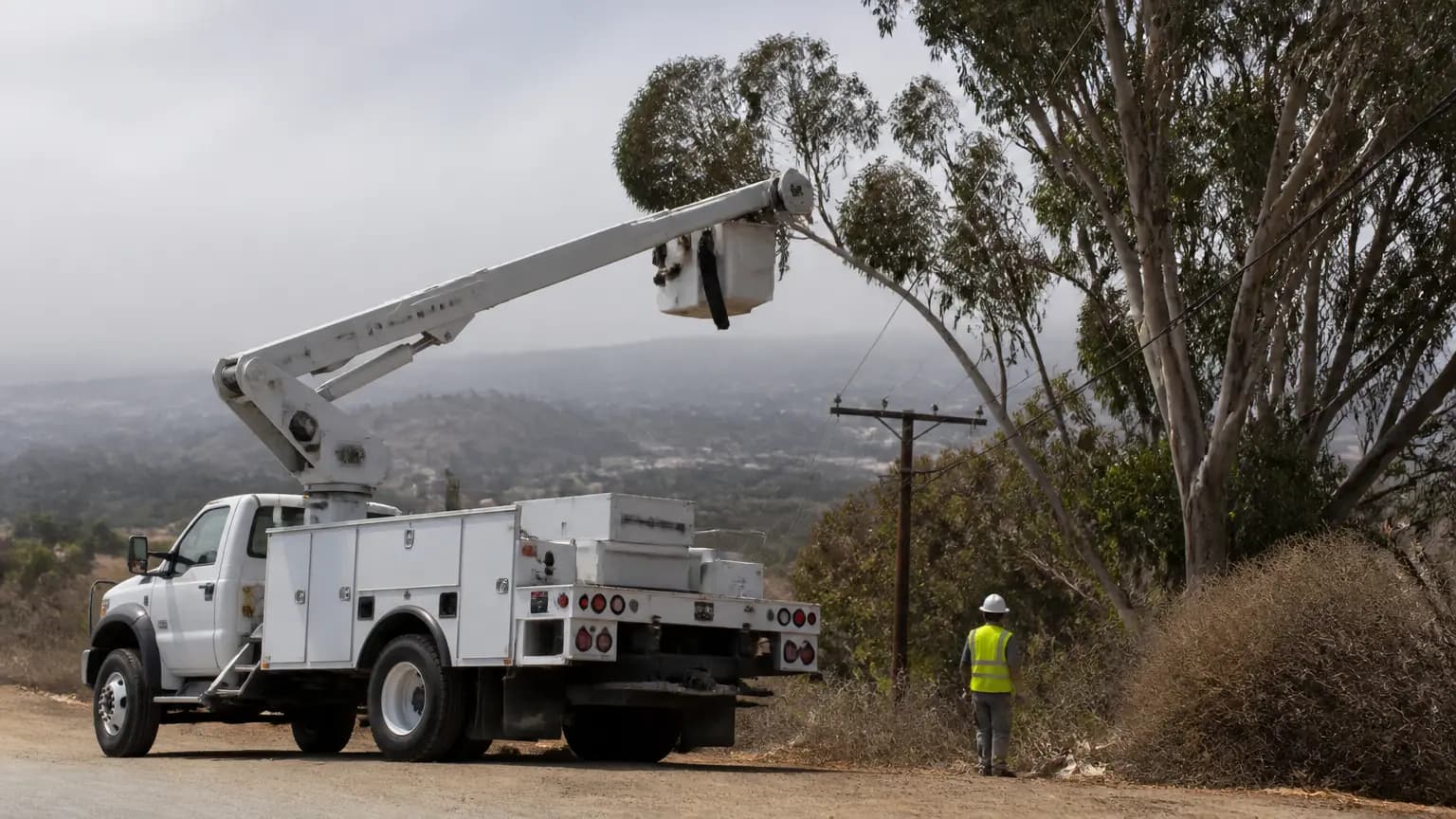
Heads up, neighbors — KEYT News Channel 3-12 is reporting a strong three-day Santa Ana wind event kicking off Thursday, and this one looks like the real deal. Much of our area will be under Red Flag Warnings, High Wind Warnings, and Heat Advisories all at once, with thousands expected to lose power as utilities preemptively shut things down to reduce wildfire risk. If you've lived here a while, you know the drill: dry fuels, gusty winds, and that bone-dry heat are a dangerous mix, especially in the foothills and canyons above Santa Barbara and Goleta. Charge your devices, dig out the flashlights, and keep your go-bag handy. Most importantly, keep an eye on your neighbors — check on elderly folks and anyone who might need a hand if the power goes out. Stay safe out there, 805.
 Santa Barbara
San Marcos Flag Football Secures Playoff Berth With 13-12 Victory Over Ventura
Huge congrats to the San Marcos flag football squad! A 13-12 nail-biter over Ventura punched the Royals' ticket to the playoffs, and honestly, it doesn't get much more dramatic than a one-point win with the season on the line. Flag football has been exploding across the 805, and it's awesome to see our local teams competing at this level. These players put in the work all season, and moments like this are what high school sports are all about. Per the Santa Barbara Independent, the CIF Southern Section playoff brackets drop Friday, October 16, so keep an eye out and show up to support the Royals. Good luck, San Marcos!
 Santa Barbara
The Pachyderm Promenade on Palm Avenue
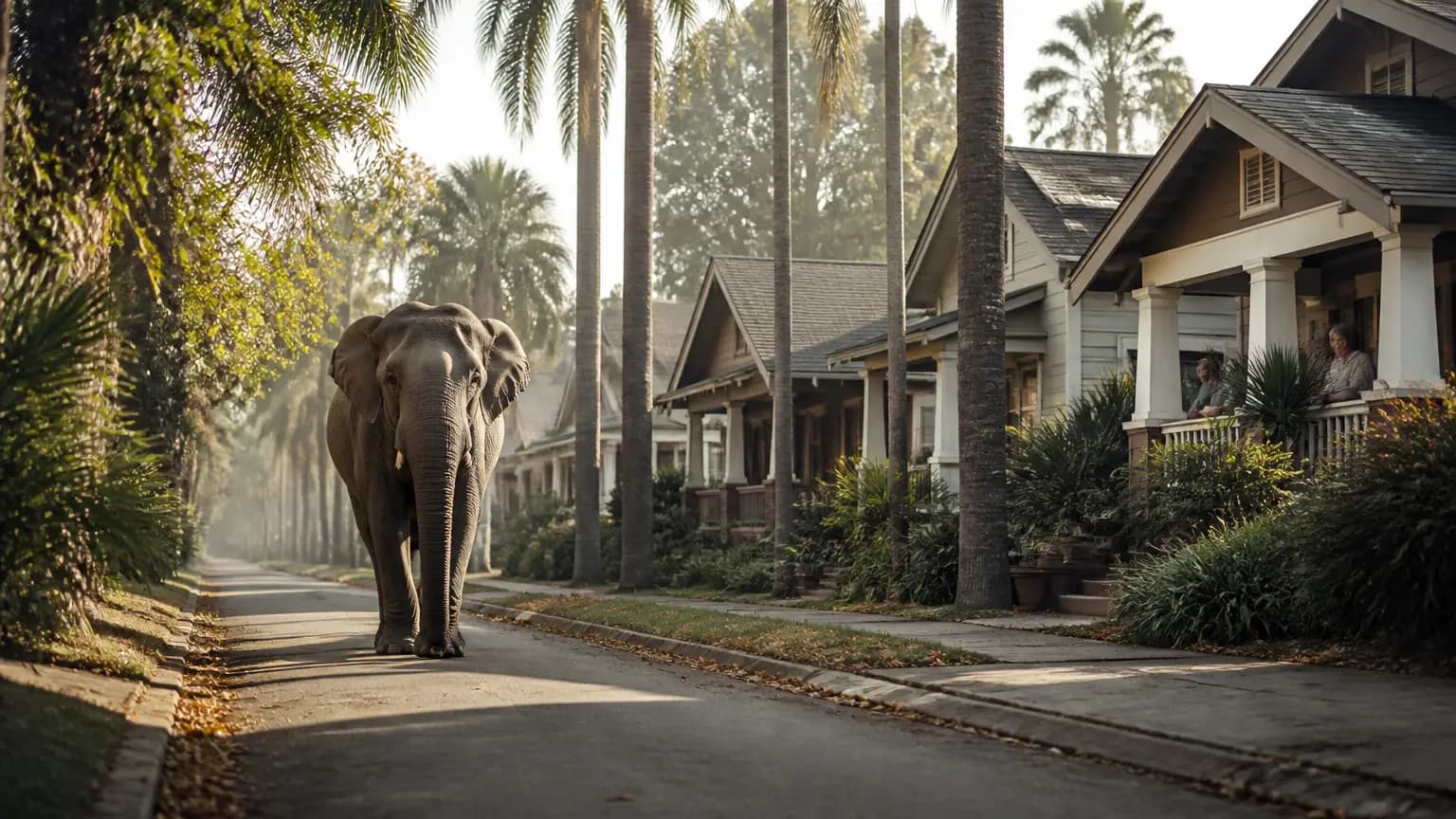
Did you know an elephant once took a stroll down Palm Avenue? Back in 1909, one of the pachyderms from a visiting circus apparently decided the neighborhood looked worth exploring, and the tale has been passed down ever since. It's the kind of quirky story that makes living here so fun — our streets hold more history than most of us realize. The Santa Barbara Independent recently dug into that famous elephant escape, but the real gem is that it's just one chapter of Palm Avenue's story. That little stretch of road has seen decades of change, and stories like this remind us that Santa Barbara's charm isn't just in the architecture — it's in the memories baked into every block. Next time you're walking Palm Avenue, take a second look. You never know what history is hiding in plain sight.