Why Local TV Staff Went on Strike During Fiesta
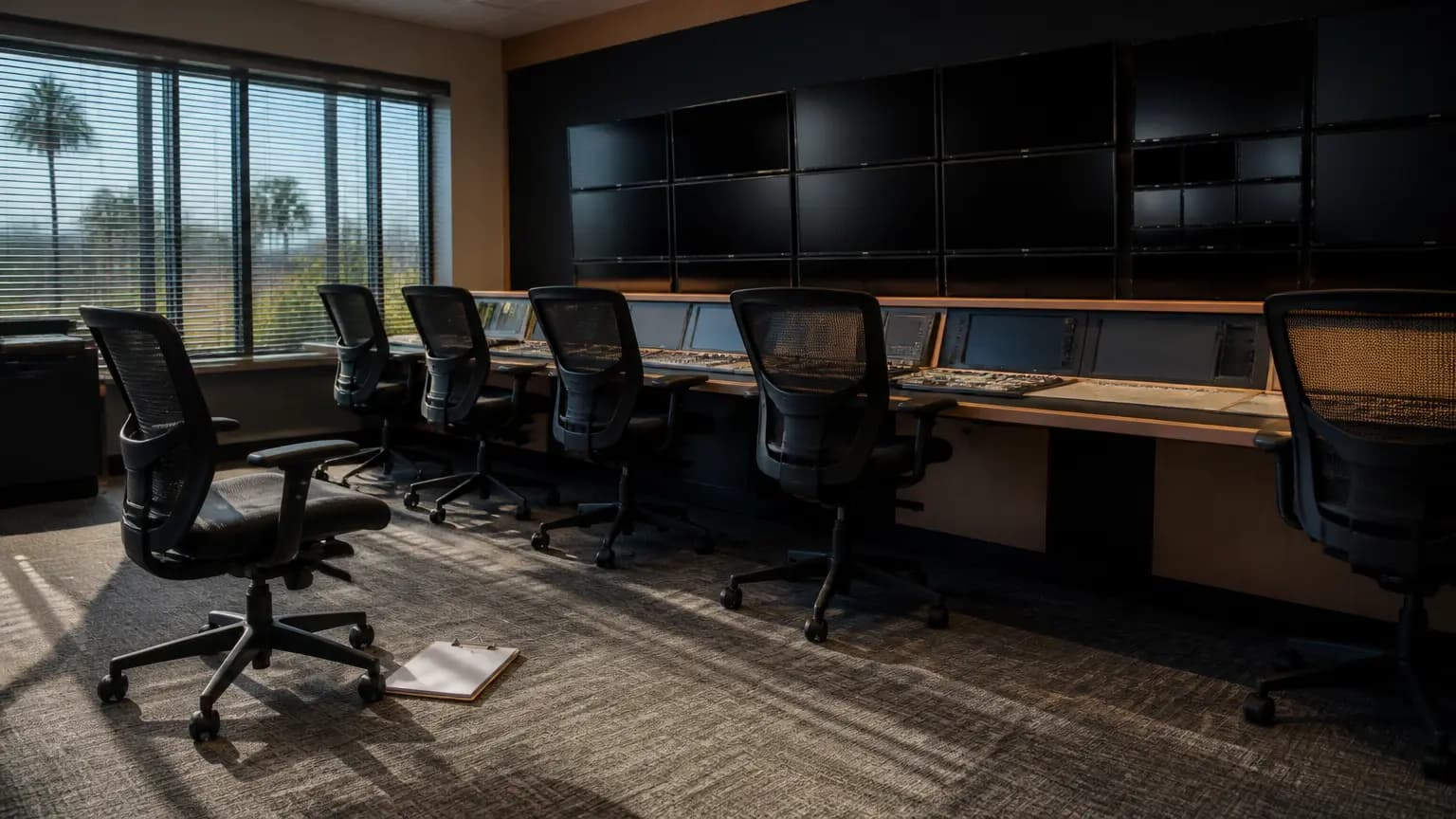
When viewers across the Central Coast tuned in to KEYT's morning newscast on Wednesday, August 5, they found something unusual: no local anchors, no local reporters, and coverage piped in from a station in Palm Springs, hundreds of miles away. The familiar faces of "Your News Channel's Morning News" — including anchors Andie Lopez-Bornet and Joey Vergilis — were absent because the station's staff had walked off the job, timing their strike to coincide with Fiesta Pequeña, one of the most-watched local news moments of the year.
In an opinion piece published by the Santa Barbara Independent, striking KEYT employee Owen Pratt laid out the reasoning behind the work stoppage — and why a newsroom that describes itself as devoted to local journalism felt it had no choice but to leave the air.
The Economics Behind the Walkout
At the heart of the dispute is a pay gap that union members say makes it impossible to live in the very community they cover. According to the piece, most KEYT staff earn less than $40,000 per year — even as MIT's cost-of-living calculator pegs a living wage in Santa Barbara County at roughly $35 an hour for a single adult. Some on-air employees, Pratt wrote, work second jobs to make ends meet.
The result is constant churn. Roughly a dozen employees have left the station in the past two years, the piece states, with management declining to fill essential roles. From Santa Maria to Paso Robles — a stretch of more than 100 miles — the station has just two dedicated reporters. There are no producers, reporters, or photographers assigned to weekend newscasts, leaving remaining staff to do multiple jobs at once.
That staffing squeeze, the strikers argue, doesn't just hurt employees — it degrades the local news coverage Santa Barbara residents rely on, from wildfire evacuation orders to missing-person alerts to annual traditions like the News Channel 12 Turkey Drive and the Unity Shoppe Telethon.
Eighteen Months of Negotiations
The staff voted to unionize in November 2024. Since then, according to Pratt's account, bargaining with KEYT's parent company, News-Press & Gazette (NPG), has dragged on for a year and a half with little movement on the union's core priorities: a base wage of at least $23 an hour, contractual staffing minimums, and expanded bereavement leave. The two sides have reached agreement on at least one issue — an artificial intelligence clause the union says improved job security — but the economic proposals remain unresolved.
The union accuses NPG of bargaining in bad faith. Among the grievances: the company reportedly proposed a wage grid during negotiations that would have paid some workers less than they currently earn — a proposal Pratt says didn't even account for California's minimum wage law. Meanwhile, the piece notes, the station has found money for capital improvements during the same period, including an automatic gate, new control-room equipment, and a renovation of the sales department's offices.
NPG, a Missouri-based media company that owns broadcast stations across several states, has not publicly responded to the specific claims in the same forum, and no company statement was included in the original piece. The strike has drawn local media attention and a wave of viewer calls and emails to the station.
Why the Timing Stung
Choosing Fiesta week was deliberate. Old Spanish Days is among the busiest stretches on the local news calendar, and Fiesta Pequeña at the Old Mission Santa Barbara typically draws heavy coverage. Striking during that window maximized visibility — but union members say they held out as long as they could, in part out of consideration for their immediate supervisors, whom they say they respect and didn't want to leave shorthanded.
The substitution of Palm Springs programming underscores a broader anxiety in local television: when a newsroom's staff shrinks, corporate ownership groups can fill airtime with content from sister stations, a cost-saving practice that quietly erodes the "local" in local news. For a region that stretches from the Gaviota Coast to northern San Luis Obispo County, the loss of even a few reporters means fewer city council meetings covered, fewer wildfires tracked in real time, and fewer stories about the communities in between.
What Comes Next
The union says it will continue striking absent meaningful movement at the bargaining table, meaning viewers may see more out-of-market programming in the weeks ahead. The standoff at KEYT mirrors a wider wave of media labor actions across California and the country, as broadcast and newspaper staffs organize over stagnant wages, AI-related job protections, and chronic understaffing in an industry that keeps consolidating.
For Santa Barbara residents, the immediate practical effect is a thinner local broadcast product during a busy late-summer news season. The longer-term stakes are higher: whether the journalists who cover this region can actually afford to live in it. As Pratt put it, employees at the station are routinely "priced out of our own coverage area" — a paradox that strikes at the core of what local news is supposed to be.
Neither NPG nor KEYT management had publicly detailed next negotiating steps as of the publication of the Independent piece. Readers can follow developments through the striking staff's public updates and future bargaining announcements as the dispute continues.
Reported by 805.life
Researched and written drawing on primary sources. Additional reporting: Santa Barbara Independent.
City
Santa BarbaraAdditional Reporting
Santa Barbara IndependentPublished
August 30, 2026
Reported and written by 805.life
Explore Santa BarbaraAll Santa Barbara NewsMore News from Santa Barbara
 Santa Barbara
Dos Pueblos Boys Water Polo Captures League Crown With 17-12 Victory Over San Marcos
Dos Pueblos boys water polo is bringing another league title back to Goleta, and Charger fans have plenty to celebrate after a 17-12 win over rival San Marcos. The crosstown matchup is one of those Channel League showdowns that always draws a crowd, and this one delivered on both ends of the pool. Next up, the Chargers head to Ventura on Tuesday, while San Marcos looks to bounce back against Buena. For families with kids in local aquatics programs, nights like this are a reminder of how deep the water polo tradition runs here along the 805 coast. Thanks to the Santa Barbara Independent for keeping us posted on the postseason push. Grab a towel, pick a side, and go support these student-athletes — South Coast water polo is worth the drive.
 Santa Barbara
Dos Pueblos Boys Water Polo Clinches Outright Channel League Title with 17-12 Win Over San Marcos
Chargers fans, take a bow. Dos Pueblos boys water polo beat crosstown rival San Marcos 17-12 on the road Thursday, locking up the outright Channel League title and keeping that perfect 5-0 league mark intact. As Noozhawk reported, the Chargers sit at 20-6 overall with just Ventura left on the league schedule. There's something special about a Dos Pueblos–San Marcos matchup. These two schools share a city, a pool culture, and plenty of bragging rights, so a win like this means a little more than the standings show. Water polo runs deep here on the Central Coast, and nights like Thursday remind us why. One league game remains, but the banner is already theirs. Congrats to the players and coaches — go Chargers!
 Santa Barbara
Santa Barbara Police Make Arson Arrest Following Multiple Fires on Modoc Road
Neighbors on Modoc Road can breathe a little easier this week. Santa Barbara Police say they've arrested Calletano Bedolla-Bibiano, who allegedly admitted to setting three brush fires on Thursday and has been linked to four more last weekend. That's seven fires in a matter of days, all in one stretch of our community. It's easy to scroll past fire news when we're not in the thick of a red-flag warning, but this one hits close to home. Modoc Road runs along neighborhoods, near open space, and with our dry hillsides and fall winds, a single spark can turn into something no one can control. The fact that these were allegedly intentional makes it feel different, and honestly, a little unsettling. We're grateful to the Santa Barbara Police Department and the first responders who put these fires out before they grew. Thanks to the Santa Barbara Independent for staying on it. If you live nearby, keep an eye out, check on your neighbors, and report anything suspicious.