Wildlife bridge dedication set for Dec. 2
Mark your calendars, Agoura Hills: the day many of us wondered if we'd ever see has a date.
On Dec. 2, the Wallis Annenberg Wildlife Crossing — the massive, first-of-its-kind bridge rising over the 101 freeway at Liberty Canyon — will be officially dedicated with a public celebration at King Gillette Ranch, followed by a ribbon-cutting ceremony at the structure itself. The ceremony will be broadcast live, project partners announced, meaning the whole world will get a look at what this small corner of the Conejo Valley has been building.
The Acorn first reported the dedication details, and officials are calling it nothing short of historic.
"What a momentous time for all of us who have watched this crossing go from an impossible dream to an actual structure rising over the freeway," Beth Pratt, president and CEO of the Wildlife Crossing Fund, said in a statement.
Three Decades in the Making
For longtime residents, the milestone carries particular weight. The effort to reconnect wildlife habitat divided by one of Southern California's busiest freeways has been more than 30 years in the making — years of studies, advocacy, fundraising and negotiating before the first pile ever went into the ground.
When it opens at the end of the year, the crossing is expected to be the largest wildlife crossing of its kind in the world. The structure spans the 10-lane 101 and, together with a second bridge over Agoura Road, will create a continuous wildlife corridor linking the Simi Hills to the Santa Monica Mountains. The bridge is approximately 210 feet long and 165 feet wide at its widest point.
Why does it matter? The Santa Monica Mountains' wildlife — especially its famous mountain lions — has long been hemmed in by freeways and development. Genetic isolation has taken a toll on the region's lion population, and reconnecting habitat across the 101 has long been seen by biologists and conservationists as the single most important fix.
The Price Tag — and the People Behind It
The latest construction cost estimate is about $114 million, funded through a combination of state transportation dollars and more than $30 million in private donations.
The philanthropic roster reads like a who's-who of conservation giving: more than 6,000 donors, including the late Wallis Annenberg — for whom the crossing is named — Leonardo DiCaprio, and Frank and Joann Randall, according to The Acorn's report. Millions in taxpayer money has also gone into the project.
The crossing is the product of a broad partnership: the National Wildlife Federation, Caltrans, the National Park Service, the Santa Monica Mountains Conservancy, the Mountains Recreation and Conservation Authority, and Rock Design Associates.
National Wildlife Federation President and CEO Collin O'Mara called the project "a profound testament to what is possible when we refuse to accept the fragmentation of our natural world."
"When we cut this ribbon, we will not just celebrate a single bridge — we will be celebrating a global movement to restore wildlife connectivity," O'Mara said.
Still Some Work to Do
If you've driven the 101 lately, you've noticed the crossing still has a few pieces missing — notably a connector piece to the north side and the Agoura Road span to the south. But officials say the Dec. 2 ribbon-cutting date is set.
Crews have already completed major utility relocations, installed deep foundation piles for the Agoura Road span, and planted nearly an acre of native vegetation across the freeway bridge deck — the beginnings of the landscape that will make the structure feel less like a bridge and more like a continuation of the hills.
When all is said and done, workers will have moved roughly 3 million cubic feet of soil to blend the two bridge structures into the surrounding terrain. Future restoration plans call for planting another 50,000 native trees, shrubs and perennials across roughly 12 additional acres.
A Beginning, Not an Ending
Perhaps the most striking thing about the dedication announcement is what comes with it: organizers unveiled a new partnership between the National Wildlife Federation and the Wildlife Crossing Fund to support long-term scientific research, habitat restoration and maintenance of the crossing after construction wraps.
Pratt emphasized that the dedication represents "a beginning, not an ending," with ongoing research and habitat restoration remaining priorities.
The Dec. 2 celebration also kicks off an expanded mission for the Wildlife Crossing Fund, which aims to raise $500 million in private philanthropy to advance wildlife crossing projects across North America. Current efforts include projects near Mammoth Lakes, Lake Tahoe, Colorado, New England and Virginia.
What It Means for Agoura Hills
For a city of roughly 20,000 residents best known for its ranch roads and rolling hills, hosting the world's largest wildlife crossing is a point of pride — and a chance to show the world what thoughtful growth looks like.
For decades, drivers on the 101 have watched the skeletal frame of the crossing take shape over the freeway, slowly thickening into something that resembles a hill under construction. Sometime at the end of this year, the first deer or bobcat or mountain lion may pad across it, unaware it's walking over one of the busiest freeways in America — and unaware of the decades of human effort that made the journey possible again.
The public is invited to the Dec. 2 celebration at King Gillette Ranch. Details on timing and broadcast access are available through the project partners. For a community that has watched this dream rise one concrete pour at a time, it promises to be quite a day.
Sources: [The Acorn (Agoura Hills)](https://www.theacorn.com/articles/wildlife-bridge-dedication-set-for-dec-2/)
Reported by 805.life
Researched and written drawing on primary sources. Additional reporting: The Acorn (Agoura Hills).
City
Agoura HillsAdditional Reporting
The Acorn (Agoura Hills)Published
August 27, 2026
Reported and written by 805.life
Explore Agoura HillsAll Agoura Hills NewsMore News from Agoura Hills
 Agoura Hills
Has the door closed on Conejo affordability?
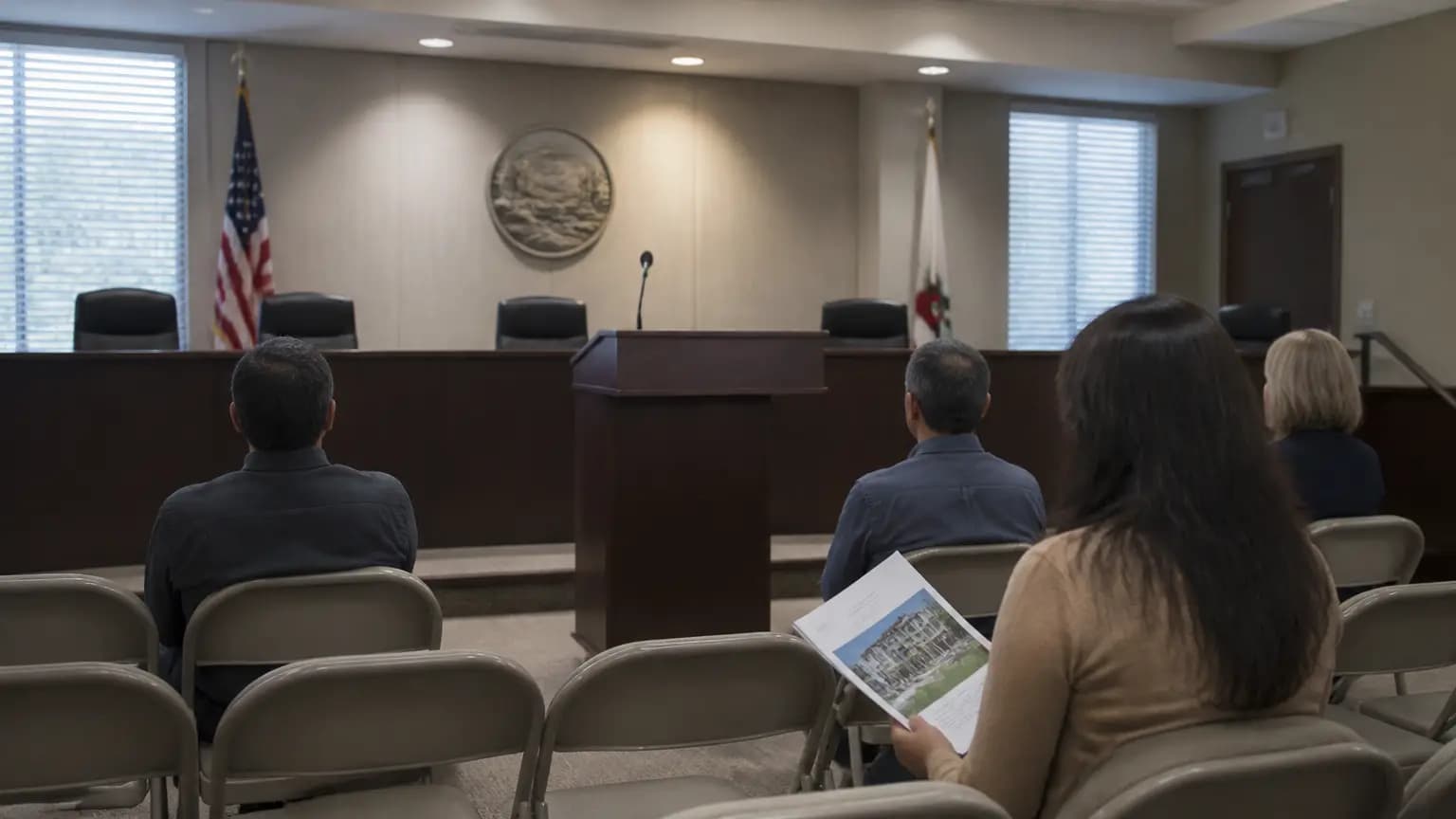
If you've tried to picture a young family buying into Agoura Hills lately, you already know the math is brutal. At last week's housing forum, Mayor Jeremy Wolf and neighbors dug into a puzzle we all feel: our population is barely growing, households are getting smaller, yet rents and home prices keep climbing out of reach for the workers and grandparents who make this community hum. The Acorn (Agoura Hills) reports the conversation centered on who gets squeezed out when affordability closes the door — younger families, longtime older residents, and the people who staff our shops and schools. It's not an abstract policy debate; it's about whether your kids can afford to stay near you. This one's worth following. Local housing talks like this often shape zoning and development decisions down the road, so if you care about the future of Conejo Valley, keep an eye on what comes next.
 Agoura Hills
Whizin tenant, school district tussle over parking at carnival
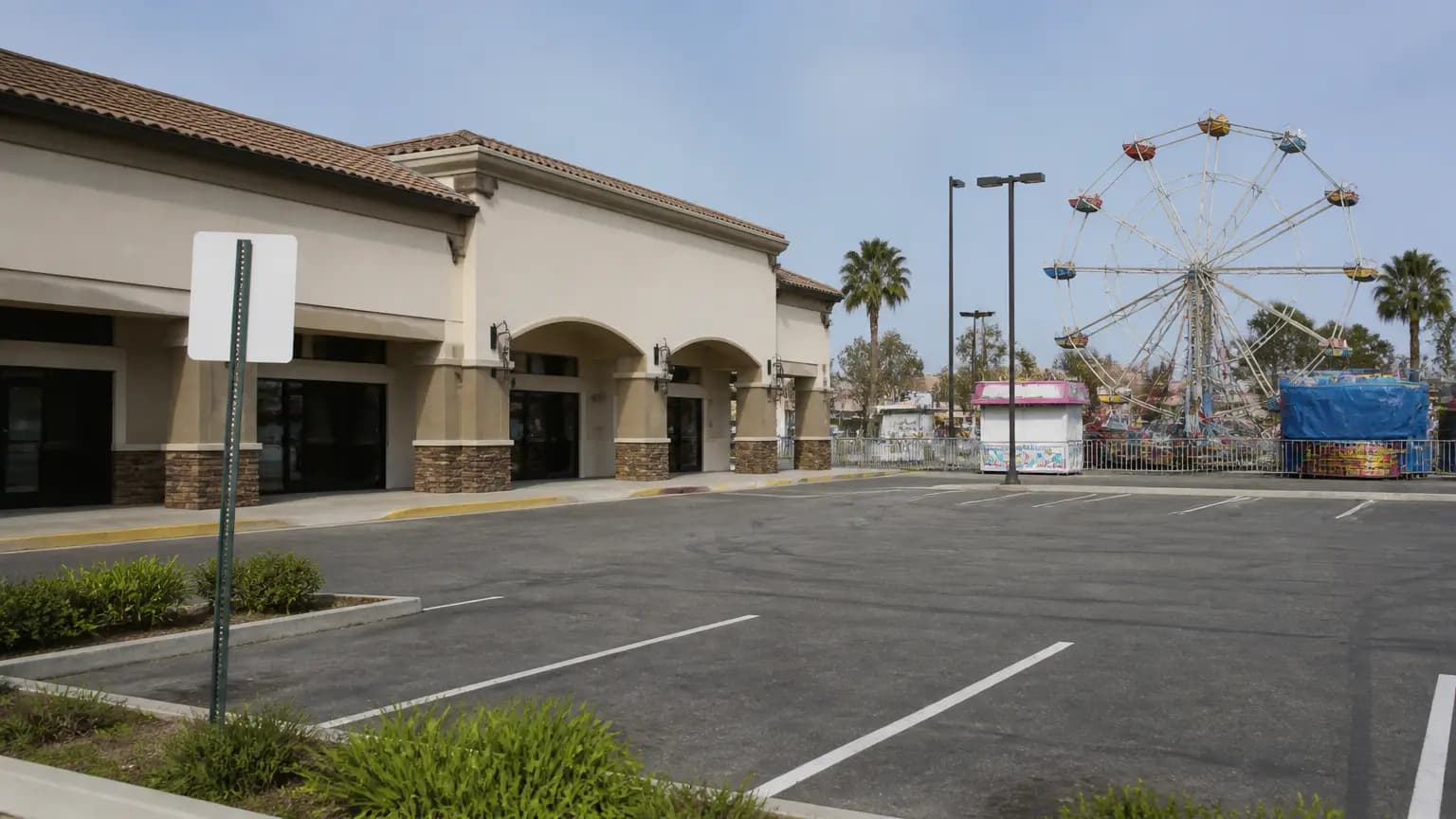
If you've ever taken the kids to the carnival at Whizin Market Square, you know it's one of those Agoura Hills traditions that quietly holds the community together. Since 2014, THE Foundation for Las Virgenes Schools has raised over $500,000 there for our local public schools — real money that goes straight to classrooms, teachers, and programs our kids depend on. Now, with Whizin undergoing a major redevelopment, a longtime tenant's parking grievance over special events is surfacing, and it could be a preview of tensions to come as the center transforms. It's a good reminder that big changes in our town center aren't just about shiny new storefronts — they affect the fundraisers, gatherings, and neighborhood rituals that make Agoura Hills feel like home. As The Acorn reports, this tussle is worth watching. Here's hoping the school carnival and the businesses that host it can find a path forward together.
 Agoura Hills
Prominent Old Agoura entryway signs get much needed makeover
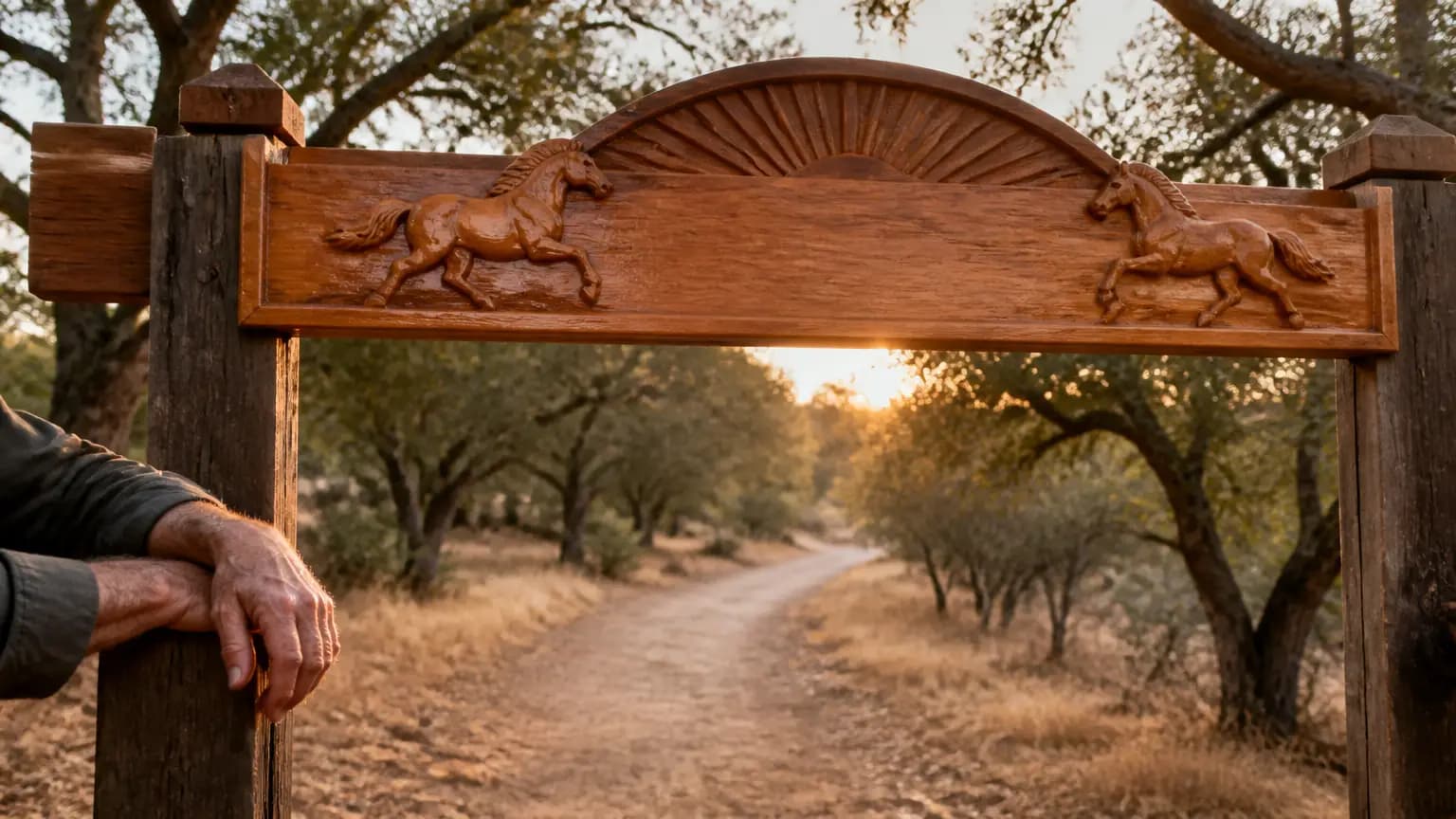
If you've driven into Old Agoura lately, you may have noticed those rustic entryway signs looking sharper than they have in years. Back in 1989, Ron Troncatty — then president of the Old Agoura Homeowners group — dreamed up a way to put the neighborhood's character into physical form. Now 77, he still sums it up perfectly: "We're a rustic, eclectic, rural community that is first and foremost equestrian. We love our dirt, hate concrete." That's Old Agoura in a nutshell — one of the oldest residential pockets in Agoura Hills, where horse trails outrank sidewalks and nobody's in a hurry to pave paradise. The signs at the neighborhood's entrances have always been more than markers; they're a handshake, a promise that you're entering someplace that refuses to lose its soul. So when The Acorn reports those signs got a much-needed makeover, it's worth a nod. Small fix, big meaning. Here's to the dirt, the horses, and the neighbors who keep Old Agoura exactly the way it was meant to be.