Wrong-way driver awaits sentence for murder
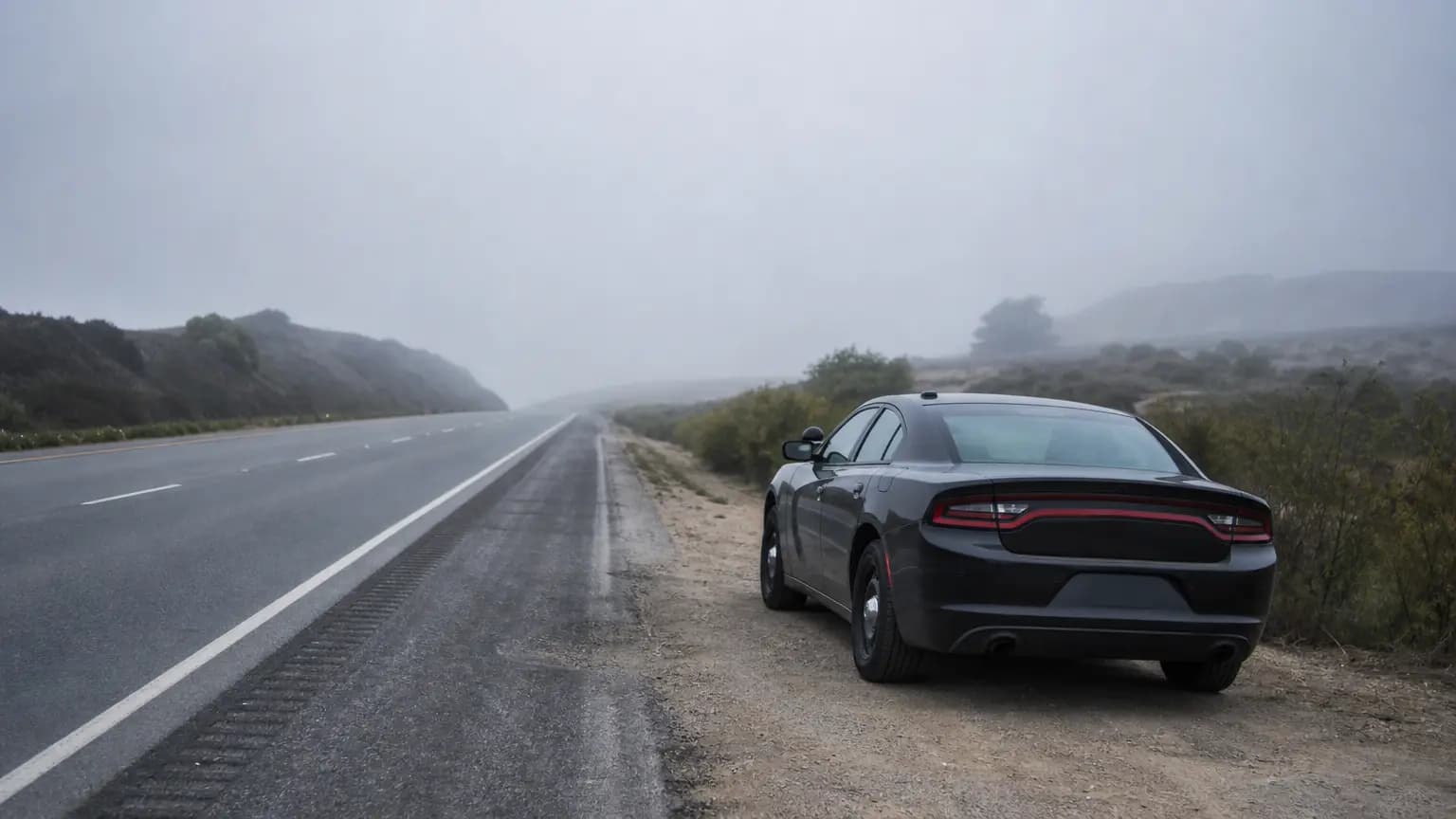
More than two years after a horrific wrong-way collision on Highway 101 claimed the life of a local passenger, a Santa Maria woman has admitted to second-degree murder. Kendra Lynn Cordova, who drove drunk the wrong way down the freeway in the early morning hours of Sept. 8, 2024, pleaded guilty earlier this summer and is now awaiting a formal sentencing scheduled for Aug. 4 in Santa Barbara County Superior Court.
For the Santa Maria and Orcutt communities, the upcoming hearing brings a close to a tragic chapter that highlighted the devastating consequences of impaired driving on the Central Coast's busiest commuter corridor.
A 14-Mile Nightmare on the 101
The tragedy unfolded just after 5:15 a.m. on a Sunday morning. According to court documents and declarations from the California Highway Patrol (CHP) cited by the Santa Maria Sun, officers were actively searching for a northbound vehicle traveling in the southbound lanes of Highway 101.
CHP Officer Jason Traughber noted that at least 15 witnesses called 911 to report the erratic vehicle. One caller described the driver—later identified as Cordova—weaving between oncoming cars at speeds reaching 90 miles per hour near Los Alamos. Despite bright headlights bearing down on her, Cordova continued driving the wrong way for approximately 14 miles.
The terrifying run ended in a violent collision near Union Valley Parkway in Orcutt. Cordova’s gray Mazda slammed into a white Chevrolet pickup truck. Alma Lazaro, a passenger in the pickup truck, was pronounced dead at the scene.
The Legal Strategy: Proving a 'Watson Murder'
For over a year, the case wound its way through pre-trial proceedings, with Cordova initially pleading not guilty. However, facing overwhelming evidence from the Santa Barbara County District Attorney’s Office, she changed her plea to guilty in June 2026.
District Attorney John Savrnoch emphasized to the Santa Maria Sun that his office was unwavering in its pursuit of a murder charge, calling the incident a "purely preventable and absolutely senseless crime."
If the case had gone to trial, the prosecution was prepared to argue a "Watson murder." This legal precedent stems from the 1981 California Supreme Court case People v. Watson, which allows a DUI fatality to be prosecuted as second-degree murder if the driver acted with "implied malice"—meaning they knowingly engaged in conduct dangerous to human life. To establish this implied malice, Senior Deputy District Attorney Madison Whitmore noted that California courts have long recognized that a traffic fatality by a grossly intoxicated motorist can support a murder conviction.
Surveillance Footage Seals the Case
A critical component of the prosecution's case was a timeline of Cordova's intoxication, established through local surveillance footage. Within days of the crash, DA’s Office Investigator Commander Michael Huffman secured a search warrant for video from Cordova’s former workplace, the historic 1880 Union Hotel in Los Alamos.
The footage revealed that Cordova had worked a late bartending shift during a wedding celebration on Sept. 7, 2024, starting around 9 p.m. and ending at 3 a.m. Surveillance showed her drinking a glass of vodka upon arriving for her shift and continuing to pour herself Champagne and liquor shots throughout the night.
Additional footage obtained from a neighboring business, The Maker’s Son, showed Cordova walking to her vehicle around 4:30 a.m.—roughly 45 minutes before the fatal crash. Court documents describe her as "swaying and having difficulty standing." Law enforcement later determined her blood alcohol concentration (BAC) was.26 percent at the time of the collision—more than three times the legal limit of.08 in California.
What Comes Next for Santa Maria Residents
With the guilty plea entered, the legal focus now shifts entirely to Cordova's sentencing on Aug. 4. According to the Santa Barbara County District Attorney’s Office, she faces a minimum of 15 years to life in state prison.
For locals who frequently commute along the Highway 101 corridor between Santa Maria, Los Alamos, and Santa Barbara, the incident serves as a grim reminder of the region's ongoing struggles with impaired driving. Community advocacy groups and local law enforcement frequently collaborate on awareness campaigns, particularly targeting the dangers of rural highway driving where wrong-way entries can go unnoticed by authorities until it is too late.
The guilty plea spares the victim’s family and witnesses from enduring a lengthy and traumatic trial. However, the sentencing will mark a final, official acknowledgment of a life lost in Orcutt—a tragedy rooted in a series of reckless decisions made over the course of a single night in the 805.
Reported by 805.life
Researched and written drawing on primary sources. Additional reporting: Santa Maria Sun.
City
Santa MariaAdditional Reporting
Santa Maria SunPublished
July 23, 2026
Reported and written by 805.life
Explore Santa MariaAll Santa Maria NewsMore News from Santa Maria
 Santa Maria
No deal: Solvang staffers strike after rejecting City Council’s ‘last, best, and final’ pay raise offer
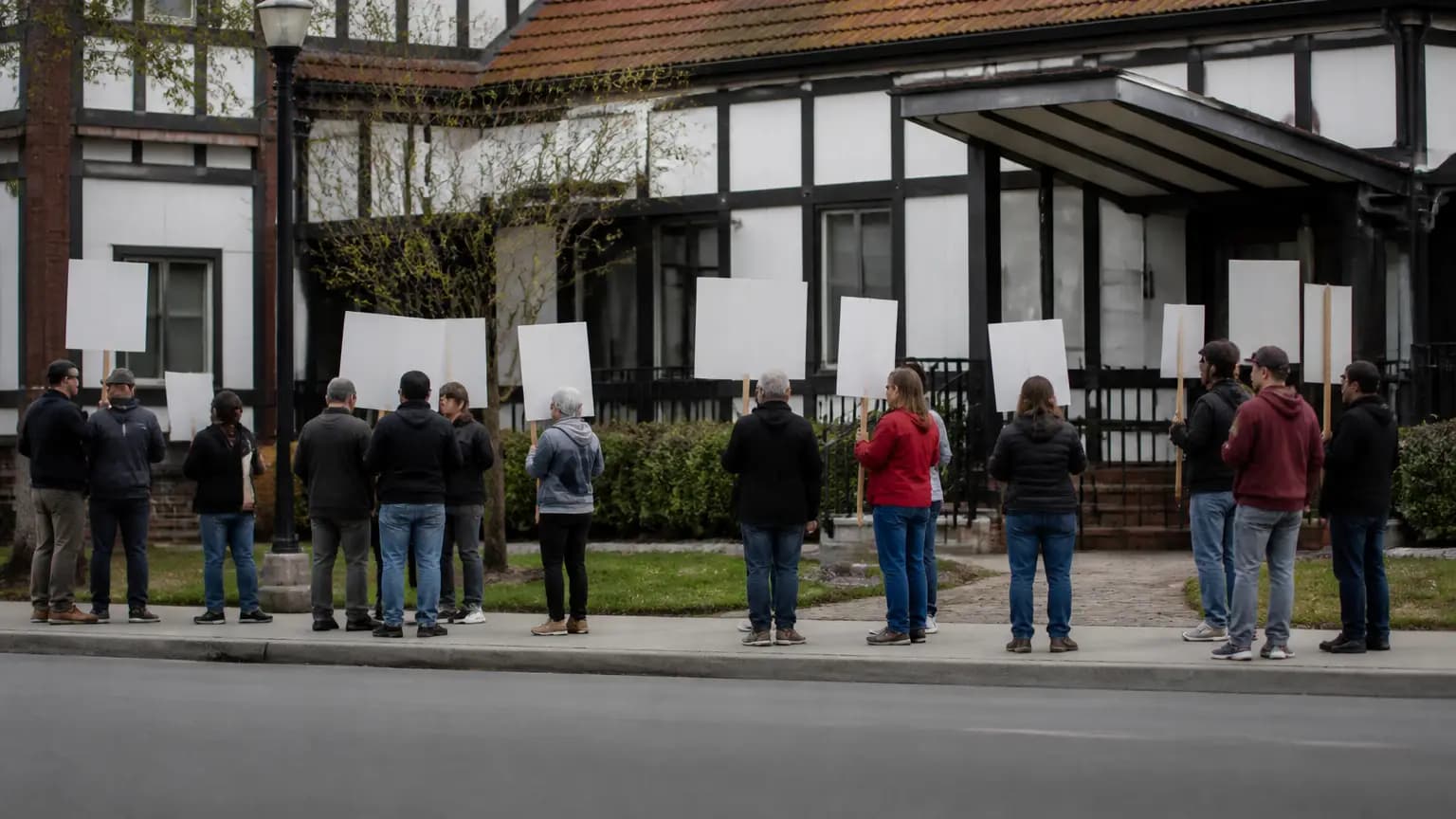
Solvang city workers made history this month — and not the charming Danish-village kind. About 30 unionized employees, including engineering technician Cole Phillips, walked off the job Sept. 15 after rejecting the City Council's "last, best, and final" pay offer. It's the first labor strike in Solvang's history, and it's a big deal for a small town where city staff keep the wheels turning. For those of us here in Santa Maria and across the 805, this is a reminder that the folks behind the counter at city hall, fixing our streets, and processing our permits are neighbors with bills to pay. When a city and its workers can't agree, residents feel it too — in slower services and a workforce that feels undervalued. The Santa Maria Sun has been following the standoff closely. Wherever you land on the politics, it's worth watching how this plays out up the valley. Small-town labor fights don't stay small for long.
 Santa Maria
Tie vote blocks Lompoc from censuring Steve Bridge
Lompoc's city council spent three hours on Sept. 15 wrestling with whether to censure one of their own, Councilmember Steve Bridge — and in the end, a tie vote meant the censure failed. Bridge's own appeal to the room was simple: remember the oath everyone stands and recites before every agenda, the same words our kids learn in kindergarten. Censure is a symbolic move, but symbols matter in small-town politics. It's the council's way of saying a colleague crossed a line, even when there's no formal punishment attached. A tie means half the dais wasn't willing to go there, and that split says as much about Lompoc's leadership as any resolution could. The Santa Maria Sun has the full account of that long meeting. For those of us up and down the 805, it's a reminder to keep an eye on our own councils — the local decisions that shape our towns often get decided by a single vote.
 Santa Maria
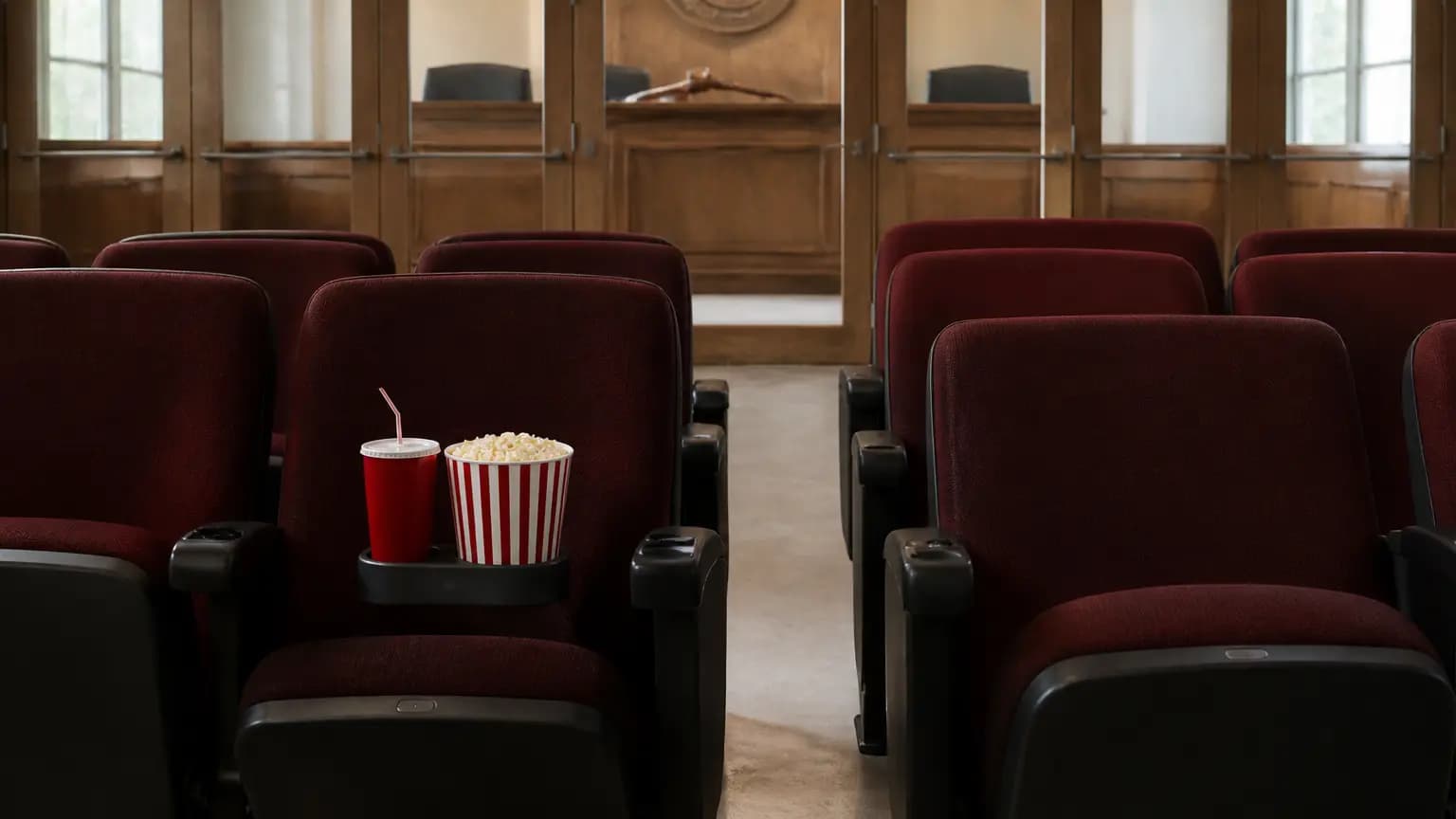
Santa Maria denies movie theater alcohol sales
Santa Maria moviegoers hoping to pair a cold one with their blockbuster will have to keep waiting. On Sept. 16, city planning commissioners turned down a proposal that would have let local theaters sell alcohol, making us the holdout while 55 other Regal cinemas across California already pour drinks alongside the popcorn. Commissioner Tim and others gave it a fair look, weighing the possible boost to our local cinema scene against the concerns that come with mixing booze and a dark room full of strangers. It's a very Santa Maria debate, honestly — we tend to be cautious about change, and that's not always a bad thing. The Santa Maria Sun first reported the decision, and it's worth a read if you want the full back-and-forth. So for now, it's soda and candy at the concession stand. Whether that keeps our theaters family-friendly or just keeps them losing ground to Atascadero and SLO, only time will tell. What do you think, neighbors?