Yale, Harvard Return Ancestors and Artifacts to Santa Ynez Band of Chumash Indians
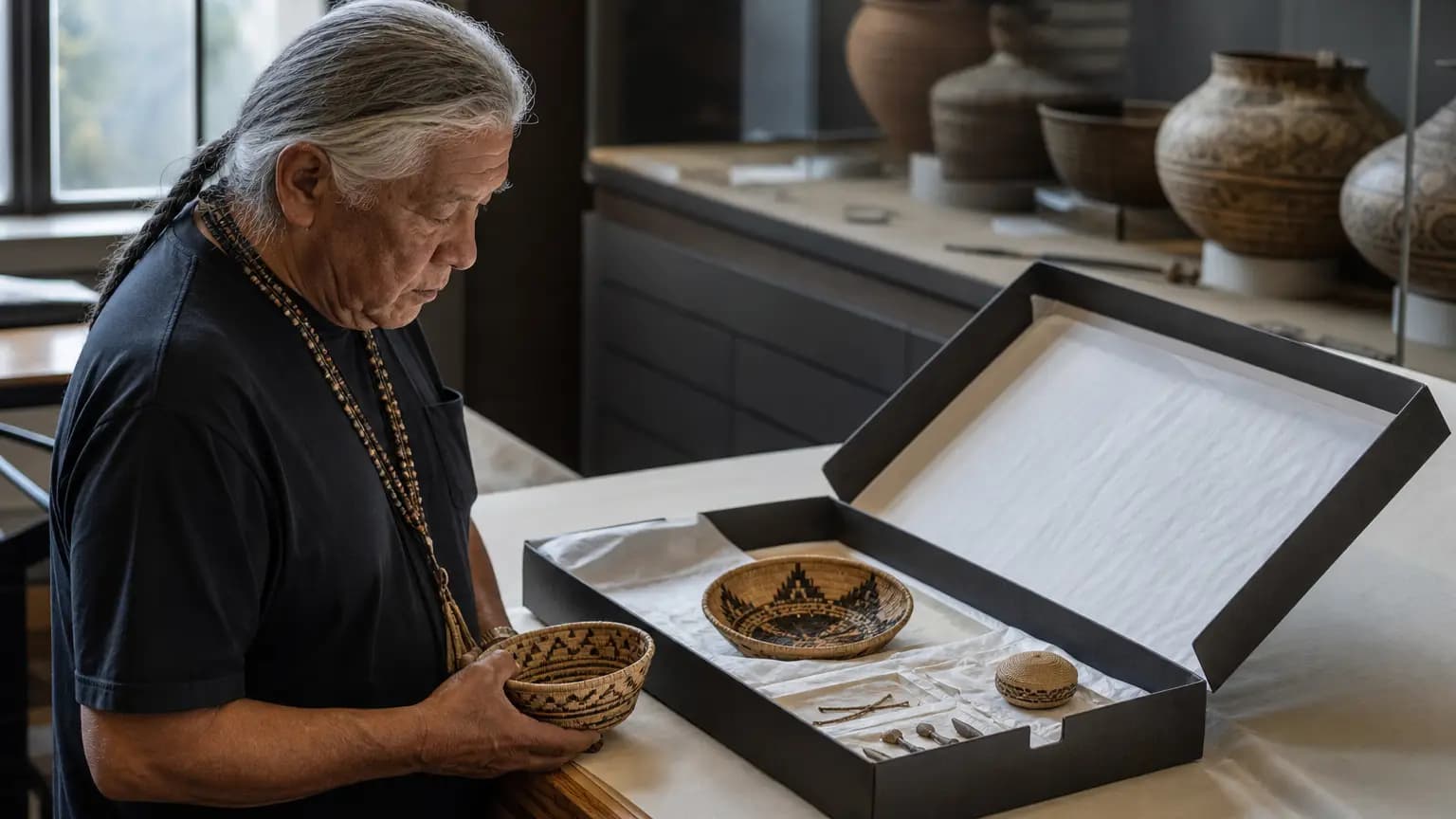
On the morning of June 27, Kathleen Marshall was watching her phone — not for messages, but for a GPS dot crawling across a map of the American West. That dot was a semi-truck, loaded nearly to its ceiling, carrying more than 2,000 ancestral remains and sacred cultural objects back to the Santa Ynez Valley after roughly 150 years in the collections of two of the country's most prestigious universities. When it finally pulled up to the Santa Ynez Chumash Museum and Cultural Center, the community gathered and did what the Chumash have always done: they sang.
"When we arrived here, we gathered as a community and we sang the semi truck and we sang in our artifacts that had been missing from this area," Marshall told KSBY News. It was an emotional homecoming four years — and in a deeper sense, nearly a century and a half — in the making.
A Century and a Half Away from Home
The story of how Chumash ancestors ended up in wood trays and storage boxes at Harvard and Yale begins in the 19th century. According to the Santa Barbara Independent, the earliest collection dates to 1877 — a time when it was legal, and even celebrated in academic circles, to excavate Native burial grounds and ship their contents to Eastern institutions. Marshall told KSBY that oral histories passed down through the Chumash community describe ancestors standing at the entrance of their village cemetery with pitchforks, having heard that collectors were coming. They could not stop every raid.
For more than a hundred years, the tribe was separated from those ancestors. According to the tribe's official announcement reported by Noozhawk, approximately 167 Chumash ancestors and more than 2,000 cultural items ultimately ended up in the collections of Harvard's Peabody Museum of Archaeology and Ethnology and the Yale Peabody Museum. "They've been sitting there for that long without a Chumash person touching, singing to them," Marshall said. "It was very emotional."
Four Years of Hard Work — and Hard Conversations
Marshall serves as the tribe's NAGPRA representative, as well as Museum Board Chairwoman and Lead Language Teacher for the Santa Ynez Band of Chumash Indians. NAGPRA — the Native American Graves Protection and Repatriation Act — is a federal law enacted in 1990 that established a process for federally recognized tribes to seek the return of human remains and artifacts held by institutions receiving federal funding. The Santa Ynez Band is the only federally recognized Chumash tribe in the nation, a status it has held since 1901.
The repatriation process that concluded this June took four years to complete and required many trips to the East Coast, the Independent reported. It was far from smooth. Turnover among Harvard staff meant Marshall found herself retelling the tribe's story from scratch with each new contact. "Every time I returned, it was like telling my story over and over," she told KSBY. She pressed forward anyway, driven by a promise she made to her ancestors that she would bring them home.
Ultimately, both institutions came around. The repatriation followed two separate NAGPRA notices — one each from Harvard and Yale — and was confirmed through the Federal Register. "They learned from us; they listened," Marshall said, as quoted by the Independent. "It did not come without conflict and hard conversations, but ultimately, they did the right thing."
For Yale, this was its largest repatriation of cultural items to date. "The removal of these materials from traditional Chumash homelands has caused trauma and harm, and we hope their return brings healing to the tribe," said Jessie Cohen, assistant director of repatriation at Yale Peabody Museum. Harvard's Jane Pickering, the William & Muriel Seabury Howells Director of the Peabody Museum, called collaborating with the tribe "an honor."
What Comes Home — and What It Means
The items that made the cross-country journey include funerary objects originally buried alongside Chumash ancestors — stone bowls, pestles, arrowheads, effigies, and ceremonial pieces. In Chumash tradition, those belongings were placed in the grave precisely so they would not be seen or used again; their presence was a final expression of who a person was. Tragically, in most cases, the items became separated from the specific individuals they were buried with.
Now, Marshall told the Independent, the path forward is clear. Ancestral remains will be reburied — returned to the land they came from, accompanied by proper ceremony involving all Chumash nations. Returned objects will be archived with the tribe to educate future generations. Ceremonial items will once again be used in ceremony, with the approval of the Elders Council, as KCBX/KAZU reported.
"With these returns, the ancestors receive a proper ceremony with all Chumash nations," Marshall said. "We are guaranteeing their return to our Mother Earth is done privately, and they are placed back to the land they came from."
Part of a Larger, Ongoing Reckoning
This homecoming doesn't stand alone. The Santa Ynez Band has navigated similar processes closer to home with meaningful results. In 2022, the Santa Barbara Museum of Natural History returned more than 1,000 human remains to the tribe, and UC Santa Barbara returned more than 400 remains and 4,000 funerary objects, the Independent reported. In 2024, the Museum of Natural History temporarily closed its Chumash Life exhibit to consult with the tribe on what could be respectfully displayed — a sign that the relationship between institutions and Indigenous communities is evolving in real time.
But as the Santa Maria Sun reported this week, the Santa Barbara Museum of Natural History's own NAGPRA officer still has roughly 40 active cases on his whiteboard, and ProPublica's repatriation tracking database shows at least 1,100 additional Native American remains taken from counties of interest to the tribe that institutions have not yet made available for return.
Marshall is already looking toward that horizon. "There's so much more out there," she told the Independent. "The work definitely isn't finished."
She also sees this repatriation as a signal to other tribes still fighting the same fight. Normally, she said, the tribe doesn't publicize its repatriation work. But this time was different. "We want to let other federally recognized tribes know that we have a seat at the table," she said. "It takes a lot of work, but if these major institutions did the right thing, hopefully everyone else will follow suit."
For now, the ancestors are home. The semi-truck that crossed the country is gone, and the valley is a little more whole.
Reported by 805.life
Researched and written drawing on primary sources. Additional reporting: Santa Barbara Independent.
City
Santa BarbaraAdditional Reporting
Santa Barbara IndependentPublished
July 13, 2026
Reported and written by 805.life
Explore Santa BarbaraAll Santa Barbara NewsMore News from Santa Barbara
 Santa Barbara
Three-Vehicle Crash in Santa Maria Valley Sends 5 Patients to Hospital
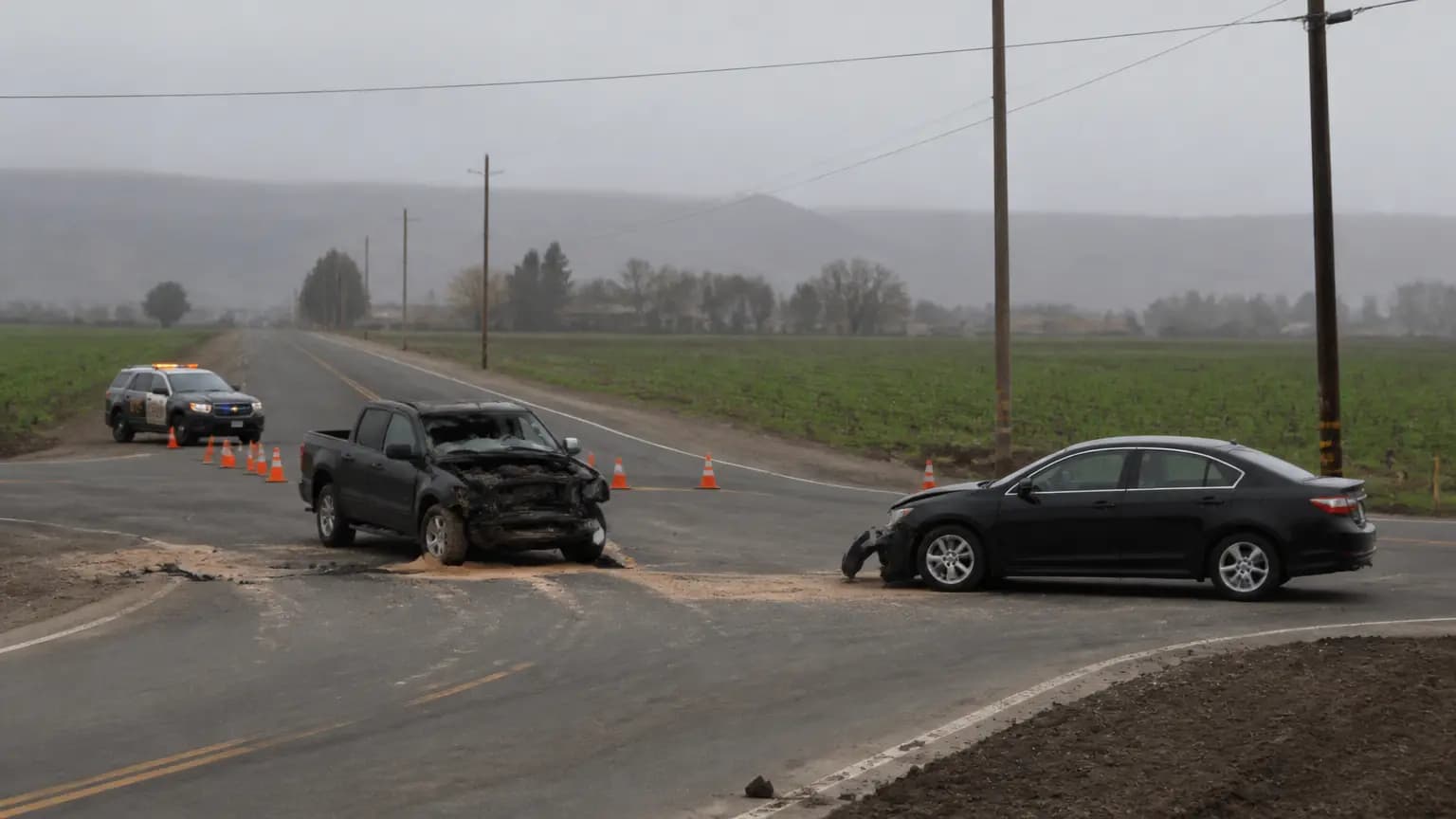
Heads up, neighbors — a rough one out on the west side Sunday afternoon. Five people were hurt in a three-car crash near West Betteravia and Mahoney roads, just past the Santa Maria city limits, according to Noozhawk. County Fire and Santa Maria Fire crews were on scene by 1:40 p.m., with three sedans involved and five patients taken to the hospital. That Betteravia-Mahoney stretch is a familiar commute for plenty of us heading between Santa Maria and the vineyards and farms out west, and it's a good reminder to slow down and stay alert on those rural intersections. No word yet on what caused the crash or how those injured are doing. We're sending good thoughts to everyone involved and to the first responders who showed up fast on a Sunday. We'll share updates as Noozhawk reports them.
 Santa Barbara
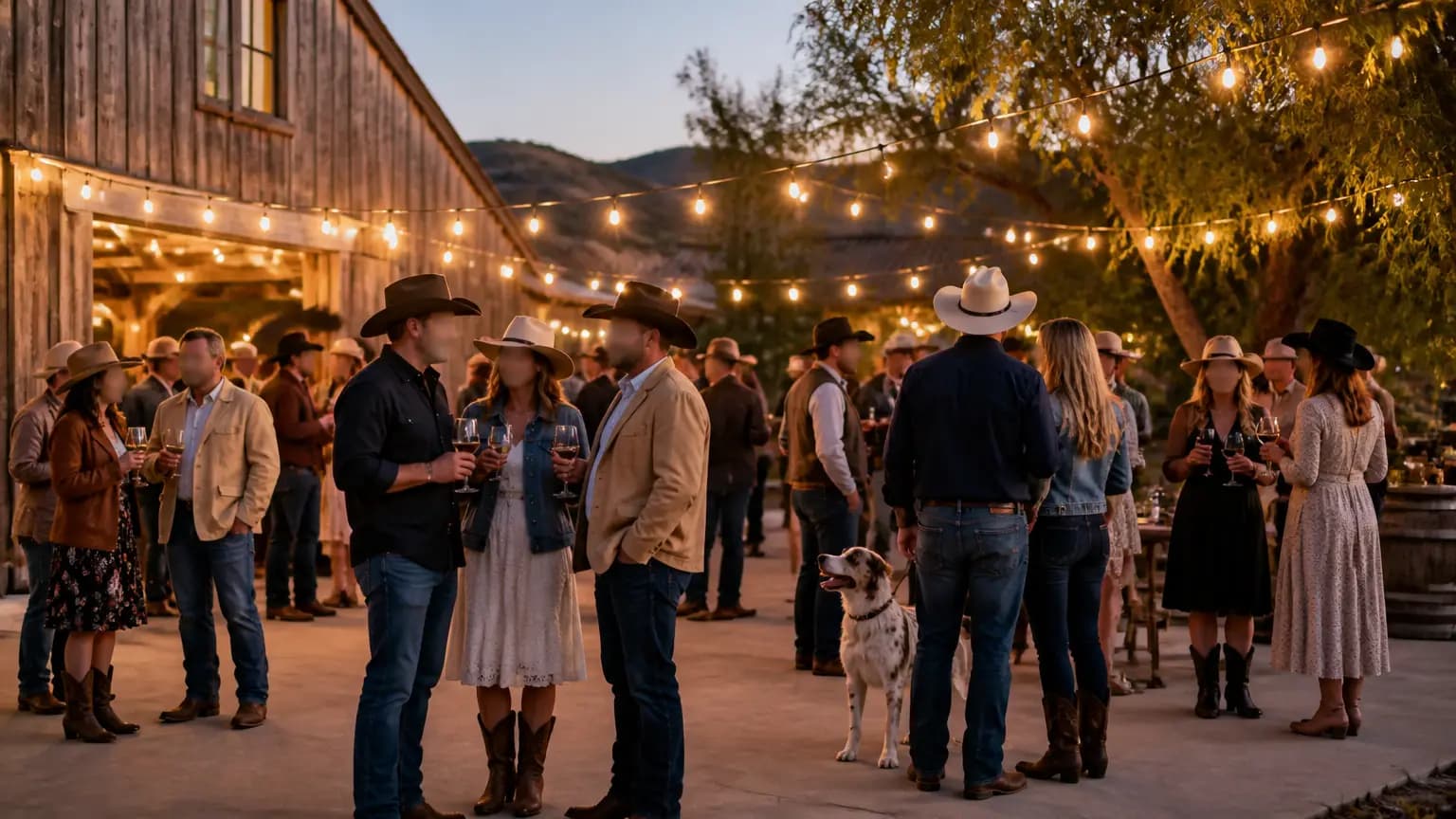
Santa Barbara Humane Western Gala Rounds Up $370,000
Santa Barbara Humane just showed what this community can do when it rallies around a good cause. Nearly 300 folks turned out at the Santa Barbara campus for Whiskers Under the Moon, a Western-themed gala that pulled in over $370,000 — blowing past the $300,000 goal by a cool $70K. That's real money going to work right here on the Central Coast, helping people with pets and pets without people. Holding the event on campus was a smart touch. Instead of a stuffy ballroom, guests got to see firsthand the place their dollars support. There's something about standing where the animals actually are that makes generosity feel personal. We love a good party, but we love it more when the boots-and-bowties crowd leaves behind funding for shelter care and community programs. Hats off to everyone who showed up. As Noozhawk reported, this one's a win worth celebrating. If you missed it, keep an eye out — Santa Barbara Humane's work runs all year, not just gala night.
 Santa Barbara
Fall Family Festival Offers a Fun Zone of Autumn Activities
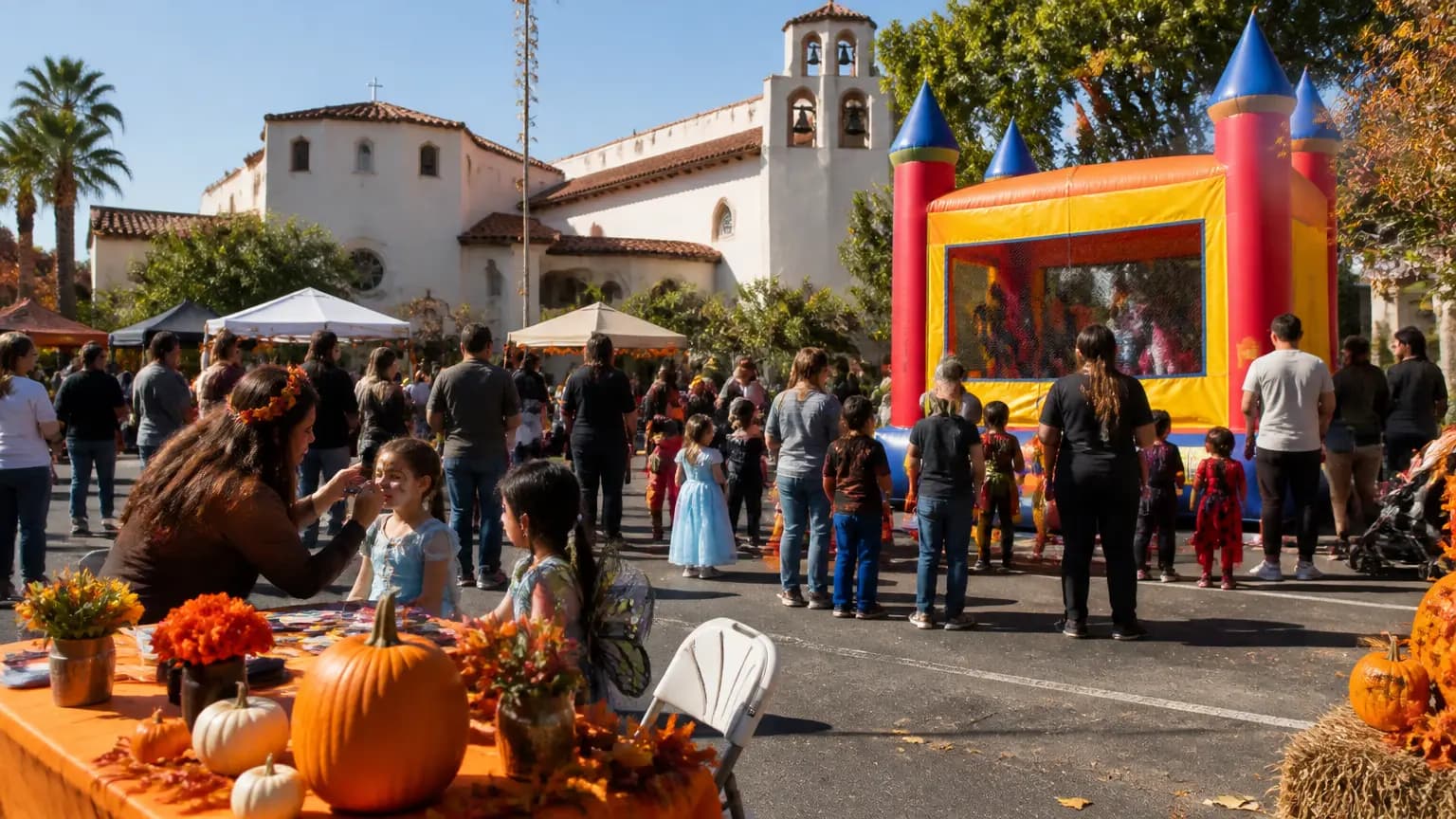
Halloween on the Mesa just got a whole lot easier for parents. Cliff Drive Care Center and Free Methodist Church of Santa Barbara are turning their parking lot at 1435 Cliff Drive into a Fun Zone mini-carnival on Saturday, Oct. 31, from 11 a.m. to 2 p.m. — bounce houses, toddler and preschool games, face painting, and plenty of activities for the elementary-age crew. What I love about this is the timing. A midday, drop-in festival means little ones who can't handle trick-or-treating after dark still get the full autumn experience, and parents get a relaxed, safe space to let the kids burn off energy before the evening sugar rush. It's the kind of neighborhood gathering that makes the Mesa feel like a small town inside a big city. Big thanks to Noozhawk for keeping us posted on local happenings like this. Mark your calendars, Santa Barbara — costumes encouraged, and the parking lot is about to be the happiest place on Cliff Drive.