Yellow Fever Mosquito Recently Found in Santa Barbara County
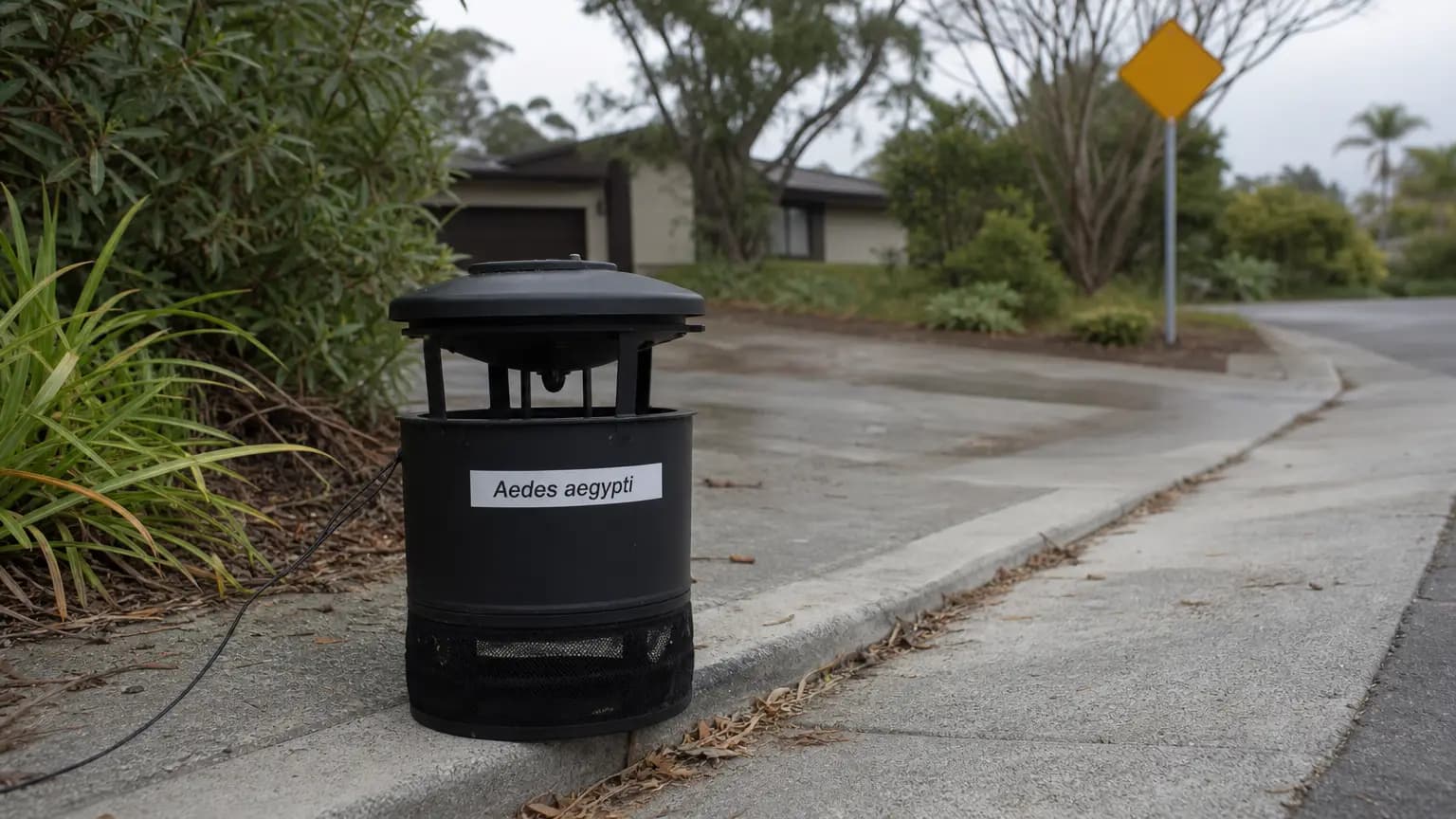
The Mosquito and Vector Management District of Santa Barbara County has confirmed the return of invasive, aggressive mosquito species to the 805 region. Over the past several months, district officials have identified both the yellow fever mosquito and the Australian backyard mosquito in local neighborhoods, signaling a shift in the region's pest landscape and prompting calls for heightened resident vigilance.
According to reporting by Noozhawk, a yellow fever mosquito (Aedes aegypti) was discovered earlier this month at a residence in Carpinteria. This discovery marks a concerning reappearance for the species, which was last detected in Santa Barbara County in 2021.
The district's General Manager, Brian Cabrera, noted that the return of the species was anticipated due to the highly resilient nature of their eggs, which can remain dormant for months and are easily transported. The detection in Carpinteria follows an earlier, equally significant finding in the city of Santa Barbara.
Aggressive Day-Biters Take Root on the Westside and Mesa
Prior to the Carpinteria discovery, the district made another unprecedented find. In March, the Australian backyard mosquito (Aedes notoscriptus) was detected in Santa Barbara’s Westside neighborhood, marking the first time the species had ever been recorded in the county.
Since that initial detection, the district has collected more than 40 of these mosquitoes across the Westside and Mesa neighborhoods. Both Aedes aegypti and Aedes notoscriptus are notoriously aggressive, earning the colloquial nickname "ankle-biters" due to their distinct behavior of biting aggressively around the lower legs during daylight hours.
In an interview with Noozhawk, Cabrera emphasized the unique threat these specific insects pose to residents' quality of life. The yellow fever mosquito, in particular, is instantly recognizable by a distinct white scale pattern on its thorax. Furthermore, these species have evolved to thrive alongside human populations, capable of developing in surprisingly small amounts of standing water—even indoors.
Public Health Impacts and Disease Transmission
The sudden presence of these invasive mosquitoes is more than a simple nuisance. According to the Centers for Disease Control and Prevention, the yellow fever mosquito is a primary vector for several severe illnesses, including dengue fever, Zika virus, chikungunya, and the virus that gives the species its name, yellow fever.
While local transmission rates of these tropical diseases remain low in California, public health officials emphasize that the establishment of these mosquito populations creates the potential for local outbreaks if an infected traveler enters the community. The Australian backyard mosquito is also a known carrier of dog heartworm and can transmit various viruses.
The primary defense against these pests relies heavily on community action and environmental management. Because Aedes mosquitoes prefer to lay their eggs in small, artificial containers, traditional mosquito control methods targeting larger bodies of water, like creeks or marshes, are less effective.
To combat the spread, the Mosquito and Vector Management District has deployed a network of specialized traps in the affected Carpinteria, Westside, and Mesa neighborhoods. These traps are designed not only to capture adult mosquitoes but also their eggs, allowing officials to monitor the populations and gauge how widely the insects have spread.
How to Protect Your Home
Because these mosquitoes require only a tiny amount of stagnant water to breed—often laying eggs in items as small as a bottle cap or a plant saucer—eliminating standing water is the most critical step residents can take to protect their properties.
District officials recommend the following proactive steps for Santa Barbara residents:
- Inspect your property and dump out any standing water from flowerpots, pet bowls, bird baths, and buckets.
- Scrub the inside of containers thoroughly. Because Aedes mosquito eggs can survive drying out for months, scrubbing ensures that any invisible eggs attached to the walls of containers are destroyed before they can hatch when re-exposed to water.
- Ensure window and door screens are intact to keep daytime biters out of indoor spaces.
The Mosquito and Vector Management District of Santa Barbara County is actively monitoring the situation and offers free services to assist residents with mosquito-related problems. Anyone who experiences aggressive daytime mosquito bites or suspects the presence of invasive mosquitoes on their property is urged to contact the district directly at 805.969.5050. Prompt reporting allows vector control technicians to deploy traps and implement targeted eradication efforts before these invasive species become permanently established on the Central Coast.
Reported by 805.life
Researched and written drawing on primary sources. Additional reporting: Noozhawk.
City
Santa BarbaraAdditional Reporting
NoozhawkPublished
July 20, 2026
Reported and written by 805.life
Explore Santa BarbaraAll Santa Barbara NewsMore News from Santa Barbara
Al no haber arma homicida, el juicio contra Caleb Flynn se centra en la relación extramatrimonial y en el supuesto intruso
A murder trial unfolding just up the coast is drawing attention here in Santa Barbara, and it's the kind of case that's hard to look away from. Caleb Flynn's trial, reported by KEYT News Channel 3-12, has no murder weapon — instead, prosecutors are leaning on testimony about a secret church affair, thousands of deleted texts, and lies told to the FBI. Even the family dogs stayed eerily quiet that night, which has become a strange piece of the puzzle. For those of us in the 805, it's a reminder that even tight-knit communities aren't immune to the kind of drama you'd expect from a courtroom thriller. Cases like this can shake faith in neighbors and institutions, and they raise hard questions about trust and evidence. We'll be watching how the trial unfolds — not out of spectacle, but because it touches on the real lives of people not so far from home.
UCSB Recovers From Slow Start, Beats CS Northridge in Big West Volleyball Opener
Good news for Gaucho fans — UCSB women's volleyball finally got back in the win column Friday night at the Thunderdome, shaking off a slow start to beat Cal State Northridge in the Big West opener. After dropping the first set, the team looked like a squad still finding its footing following a tough preseason that ended on a six-match skid. But conference play is a fresh slate, and the Gauchos took advantage. For our Isla Vista and Goleta neighbors, there's something special about catching a match on campus — cheap tickets, loud student section, and a team that's easy to root for. Thanks to Noozhawk for the coverage. If you haven't been to a UCSB volleyball match yet, consider this your sign to check one out this season.
Cottage Health Hosts Sepsis Conference Focused on Early Recognition and Treatment
Cottage Health pulled together doctors, nurses, pharmacists, respiratory therapists and other clinicians from across the region on Friday, Sept. 18, for a conference zeroing in on one of medicine's trickiest foes: sepsis. If you've never heard the word, you're not alone — but it's a leading cause of death in hospitals, and the difference between a good outcome and a tragic one often comes down to how fast someone recognizes the signs. That's why this gathering matters here. Santa Barbara County spans a big, sometimes rural region, and not every clinic or ER has the same resources. When Cottage Health convenes providers from up and down the 805 to share protocols and lessons learned, it quietly raises the standard of care for all of us — whether you're in Goleta, Lompoc, Santa Maria or Santa Ynez. The Santa Barbara Independent first reported the conference, and it's the kind of unglamorous, behind-the-scenes work that keeps our community healthier. Next time you or a loved one lands in an ER with a puzzling fever, this is the preparation you'll be glad happened.