Firefly increases vehicle production even as launches lag
Firefly increases vehicle production even as launches lag
For Central Coast launch watchers, the sight of a rocket climbing south over the Pacific from Vandenberg Space Force Base never gets old. But if you have been waiting for Firefly Aerospace's next Alpha launch to light up the evening sky, you will need to keep waiting a bit longer.
According to SpaceNews, Firefly executives used an Aug. 11 earnings call to report that Alpha vehicle production is at an "all-time high." Yet that manufacturing momentum has not translated into a busier launch schedule at the pad — and the next mission has slipped from late summer into the fourth quarter of this year.
A Packed Factory Floor, but a Quieter Launch Pad
The disconnect between hardware and flights is striking. Firefly CEO Jason Kim told investors the company has ample hardware on the floor, giving him confidence that Alpha rockets can roll out at a steady clip. Alpha, the company's small launch vehicle, is capable of placing up to one metric ton into low Earth orbit.
But actual launches tell a different story. As SpaceNews reported, Alpha has flown only seven times since its debut in September 2021 — a modest cadence over five years. The most recent Alpha launch took place in March, a return-to-flight mission following an April 2025 failure.
The upcoming mission, designated Flight 8, will be the first to fly in the upgraded Block 2 configuration. That variant features stretched first and second stages along with improvements to several vehicle subsystems. Kim had previously told investors the launch was expected in late summer, but the new earnings call pushed it to Q4.
For 805 skywatchers, that means any hopes of a late-summer Alpha departure from Vandenberg are off the table. The Q4 window is vague enough that timing will depend on technical readiness, range availability at the base, and weather along the coast.
What the Slips Mean for the Vandenberg Schedule
Vandenberg has become a focal point for Firefly's operations, and local fans have come to appreciate Alpha's distinctive profile against the Central Coast backdrop. While SpaceX's Falcon 9 missions from SLC-4E tend to dominate the viewing calendar — complete with dramatic boost-back burns and sonic booms rattling the Lompoc Valley — Alpha launches offer a different, leaner spectacle. There is no booster recovery, just a clean ascent toward polar or sun-synchronous orbit.
The slower pace raises a practical question for launch chasers: when to plan a viewing trip. Kim projected one additional Alpha launch after Flight 8 this year, down from the two he had forecast in May. Beyond that, details get fuzzy. He said a majority of the 2027 manifest is sold out but declined to provide a projected launch cadence for next year.
That uncertainty extends to government contracts. Firefly's 2024 deal with True Anomaly for three responsive Alpha missions was supposed to kick off with the Space Force's Victus Haze mission. Instead, the Space Force directed True Anomaly to launch its Jackal spacecraft on a SpaceX rideshare flight in May. Kim said the Alpha launch earmarked for Victus Haze is being held for a later date per Space Force direction.
Lockheed Deal Extended, Eclipse on the Horizon
There are bright spots. Lockheed Martin extended its existing Alpha launch contract, originally announced in June 2024 for up to 25 flights, pushing the agreement's end date from 2029 to 2031. The extension does not increase the number of launches but signals sustained interest in Alpha as a rideshare and dedicated small-launch option.
Meanwhile, Firefly is pressing forward on Eclipse, the medium-class vehicle it is developing jointly with Northrop Grumman. Kim said the team recently completed a 226-second mission-duty-cycle test of the Miranda engine that will power the first stage. Northrop will handle government-facing marketing for Eclipse, including efforts to get the vehicle on the Space Force's National Security Space Launch contract.
Eclipse's first launch is planned no earlier than 2027, and Kim offered few specifics beyond that. But for Vandenberg watchers who track the evolution of the base's launch landscape, Eclipse represents another potential player at the medium-lift table.
For now, the takeaway is straightforward: Firefly is building rockets faster than it is flying them. Whether the production surge translates into a busier Vandenberg calendar in 2027 remains the open question every 805 launch fan is asking.
Reported by 805.life
Written for Central Coast launch fans, drawing on original reporting by SpaceNews.
Additional Reporting
SpaceNewsPublished
August 11, 2026
Topic
Vandenberg
More Launch News
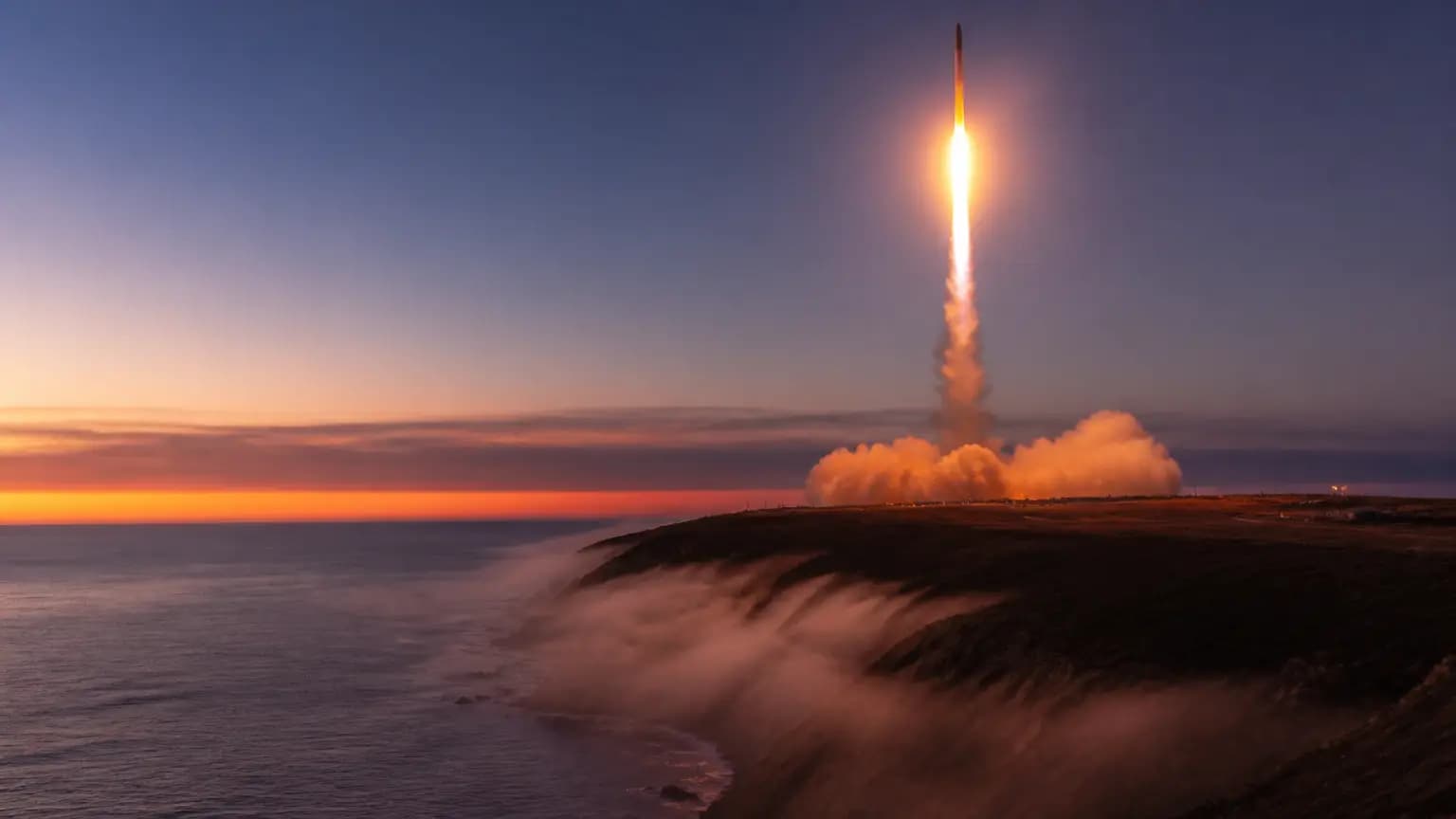 Vandenberg
SpaceX Falcon 9 to launch classified mission for U.S. Space Force from West Coast
A classified U.S. Space Force mission launching from the West Coast points to Vandenberg SFB, where national security Falcon 9 flights originate from SLC-4E. The 7 a.m. PDT window offers Central Coast fans a convenient morning viewing opportunity. As a classified payload, details will be sparse, but expect typical Western Range road and beach closures ahead of liftoff.
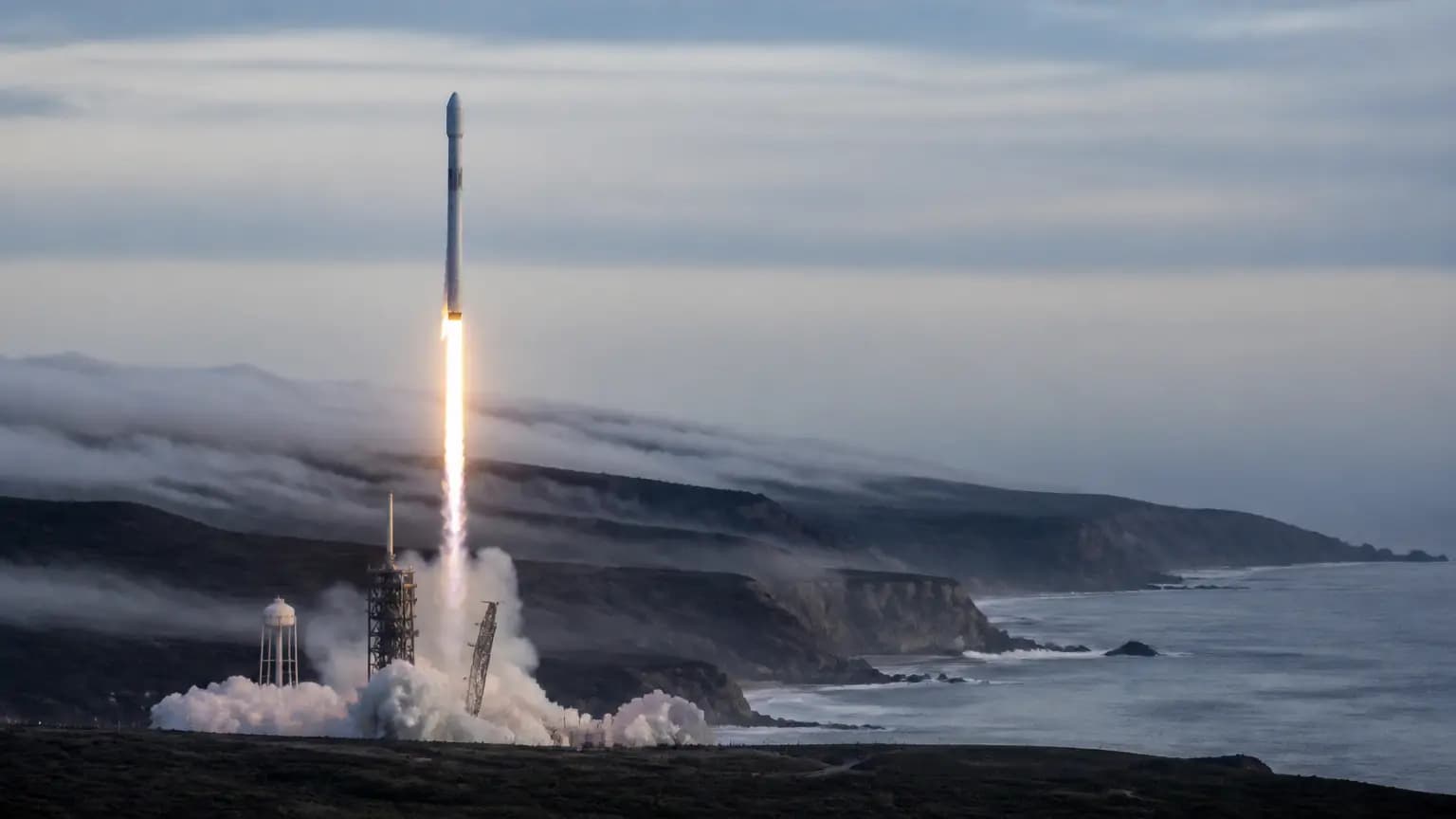 Vandenberg
Google just picked SpaceX for its first step into orbital AI
Google's first Project Suncatcher AI satellite is set to fly on SpaceX's Transporter-18 rideshare, another sign of growing rideshare demand from tech and AI companies. Transporter missions typically lift off from Vandenberg SLC-4E, so Central Coast launch watchers may get a local viewing opportunity. Details are thin, so check the official mission page for launch date and range status.
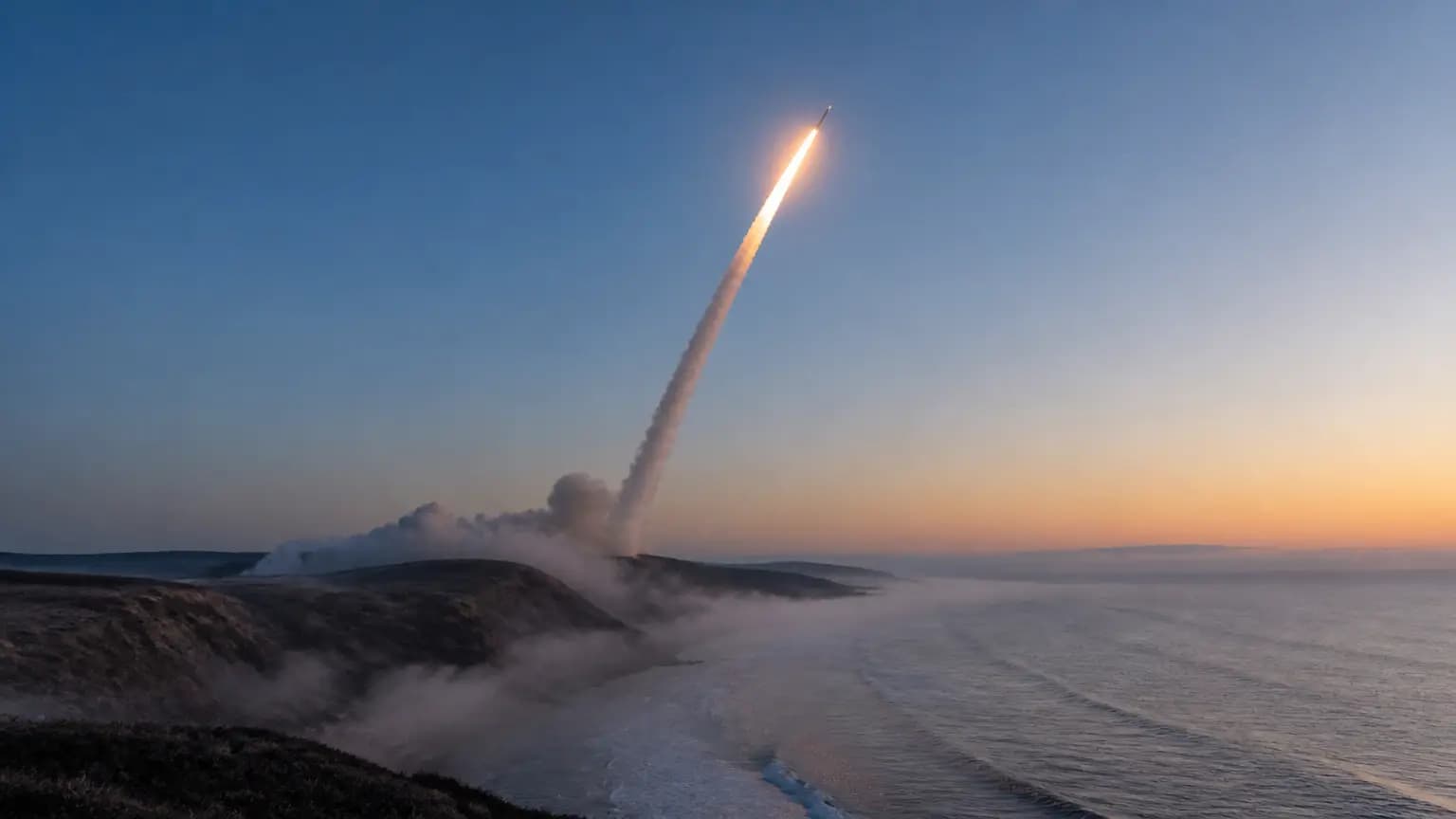 Vandenberg
Live coverage: SpaceX to launch 27 Starlink V2 Mini satellites on Falcon 9 rocket from Vandenberg
A Falcon 9 is set to carry 27 Starlink V2 Mini satellites from Vandenberg's SLC-4E, with the launch window opening at 6:47 p.m. PDT — an evening liftoff that should be visible across the Central Coast. It marks the 81th Starlink mission of the year, continuing SpaceX's high launch cadence on the Western Range.