Google just picked SpaceX for its first step into orbital AI
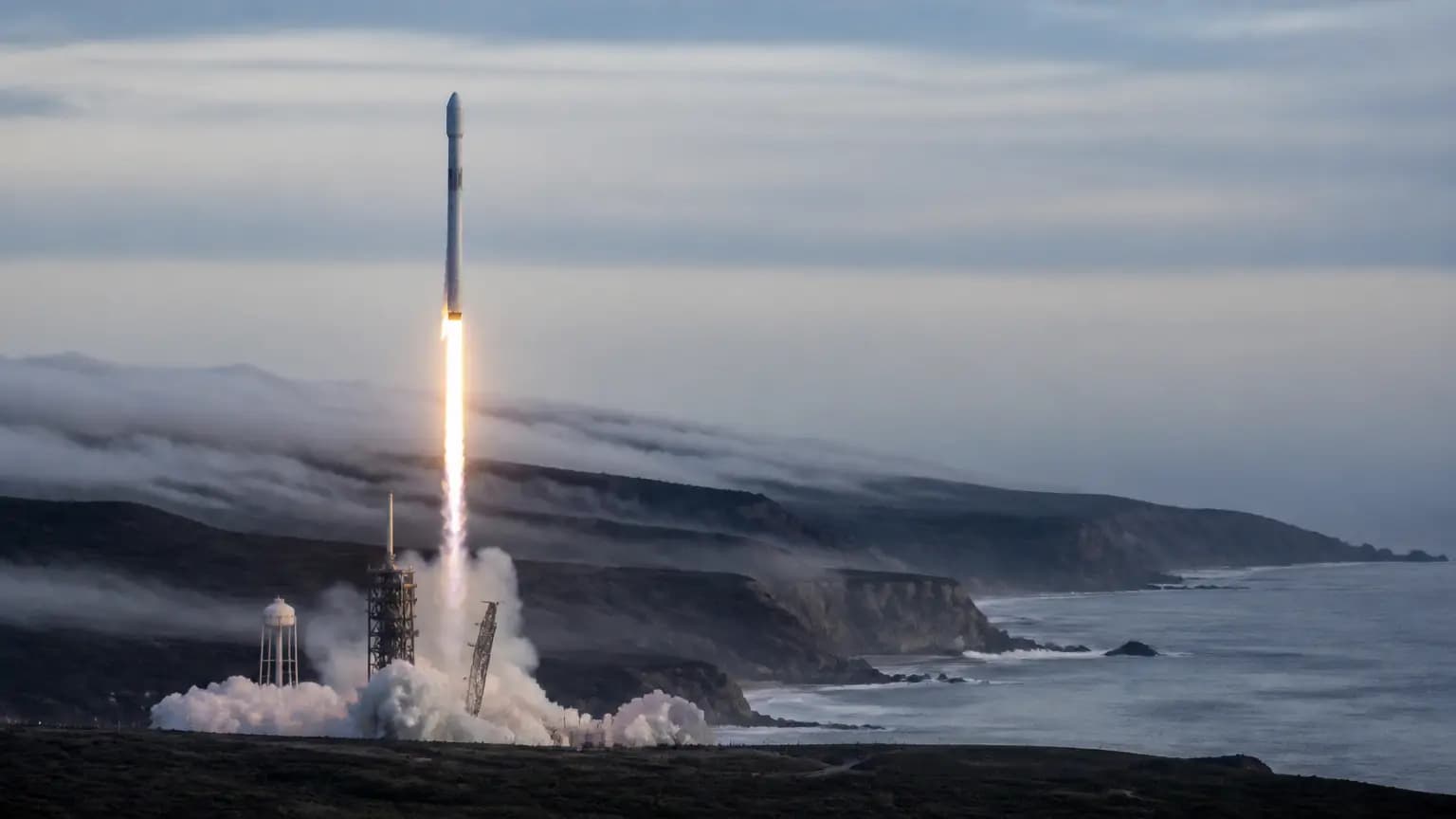
SpaceX's Transporter rideshare missions have long been a fixture of the Vandenberg launch calendar, and the next one is carrying a payload that tells you exactly where the space industry is heading. Teslarati reported Thursday that Google's first Project Suncatcher satellite — a refrigerator-sized spacecraft called MVP packed with the same Tensor Processing Units Google runs in its ground data centers — will fly on SpaceX's Transporter-18 mission, slated for October 1.
For 805 launch fans, that's a rare bit of intrigue on a usually workmanlike manifest: a Big Tech AI experiment hitching a ride on the same kind of polar-orbit rideshare that routinely thunders out of the Central Coast. Transporter missions typically carry dozens of small satellites to sun-synchronous orbit — a trajectory Vandenberg is uniquely suited for, with open range to the south over the Pacific. (As always, watch for SpaceX's official confirmation of the launch site and window as the date approaches.)
What MVP actually is
According to Teslarati, MVP is Google's first in-orbit test of whether space can host large-scale AI computing. The satellite carries four TPUs, and its solar panels supply roughly one kilowatt of power. That's enough to run Google's Gemini models — but only in short bursts of about 15 minutes, after which the chips shut down so radiators can dump the heat.
Google originally planned to launch two custom satellites in 2027, Teslarati reported, but chose to move faster by integrating its chips into an existing satellite bus. The company said its Trillium TPUs survived vibration testing simulating launch loads up to 10g — with individual components seeing 50 to 100g — and absorbed a radiation dose greater than a five-year mission would deliver.
The flight also follows a relationship that became public in May, when Teslarati reported Google was in talks with SpaceX for a launch deal tied to orbital data centers. Google holds roughly a 6% stake in SpaceX, per the outlet.
The SpaceX angle: two very different bets
What makes this pairing interesting is that SpaceX is chasing the same prize with a far more aggressive approach. Per Teslarati, SpaceX's own orbital compute program centers on the AI1 satellite — a roughly 70-meter structure derived from Starlink V3 hardware designed for 150 kW of peak compute, about 150 times what MVP will draw. SpaceX is building a Gigasat factory in Bastrop, Texas to produce them, targeting an annualized rate of about 1 GW of space compute by the end of 2027.
Elon Musk, never one for understatement, posted on X Thursday that "the amount of compute in space will obviously round up to 100% of all compute." Google has been more measured: its research suggests launch prices need to fall below about $200 per kilogram before an orbital data center can compete with a ground facility on energy cost — a threshold the company doesn't expect until around the mid-2030s. The Suncatcher team expects the effort to remain a project, not a product, for years.
Why this matters from the 805
If you've been watching Vandenberg launches for a while, you know the drill: a Transporter mission means a big rideshare stack, a likely land-based or drone-ship booster recovery depending on the profile, and the usual cadence of road closures and sonic-boom advisories when conditions line up for a return to the pad. Check SpaceX's launch webcast and local advisories as October 1 approaches for the official word on trajectory, window, and recovery plans.
The bigger picture for Central Coast observers: as orbital compute becomes a genuine industry — with SpaceX planning gigawatt-scale satellite factories and Google now flying its first test hardware — Vandenberg's role as the workhorse for polar-orbit smallsat launches puts the 805 front and center for whatever comes next. Today it's a refrigerator-sized AI testbed on a rideshare. A few years from now, if Musk and Google are both right, the sky over the Central Coast could be carrying a lot more silicon than we ever expected.
Reported by 805.life
Written for Central Coast launch fans, drawing on original reporting by Teslarati.
Additional Reporting
TeslaratiPublished
September 24, 2026
Topic
Vandenberg
More Launch News
 Vandenberg
SpaceX Falcon 9 to launch classified mission for U.S. Space Force from West Coast
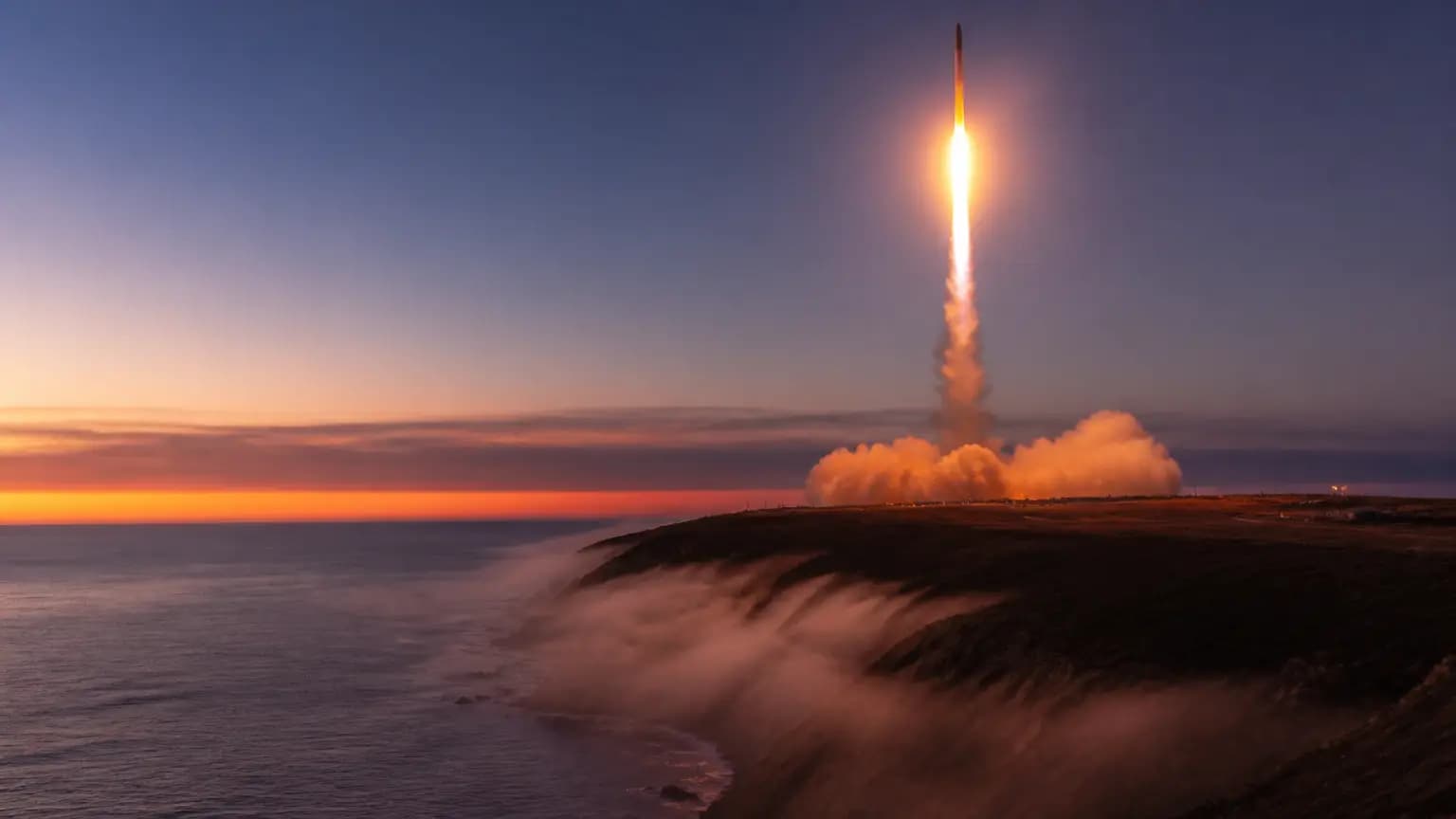
A classified U.S. Space Force mission launching from the West Coast points to Vandenberg SFB, where national security Falcon 9 flights originate from SLC-4E. The 7 a.m. PDT window offers Central Coast fans a convenient morning viewing opportunity. As a classified payload, details will be sparse, but expect typical Western Range road and beach closures ahead of liftoff.
 Vandenberg
Live coverage: SpaceX to launch 27 Starlink V2 Mini satellites on Falcon 9 rocket from Vandenberg
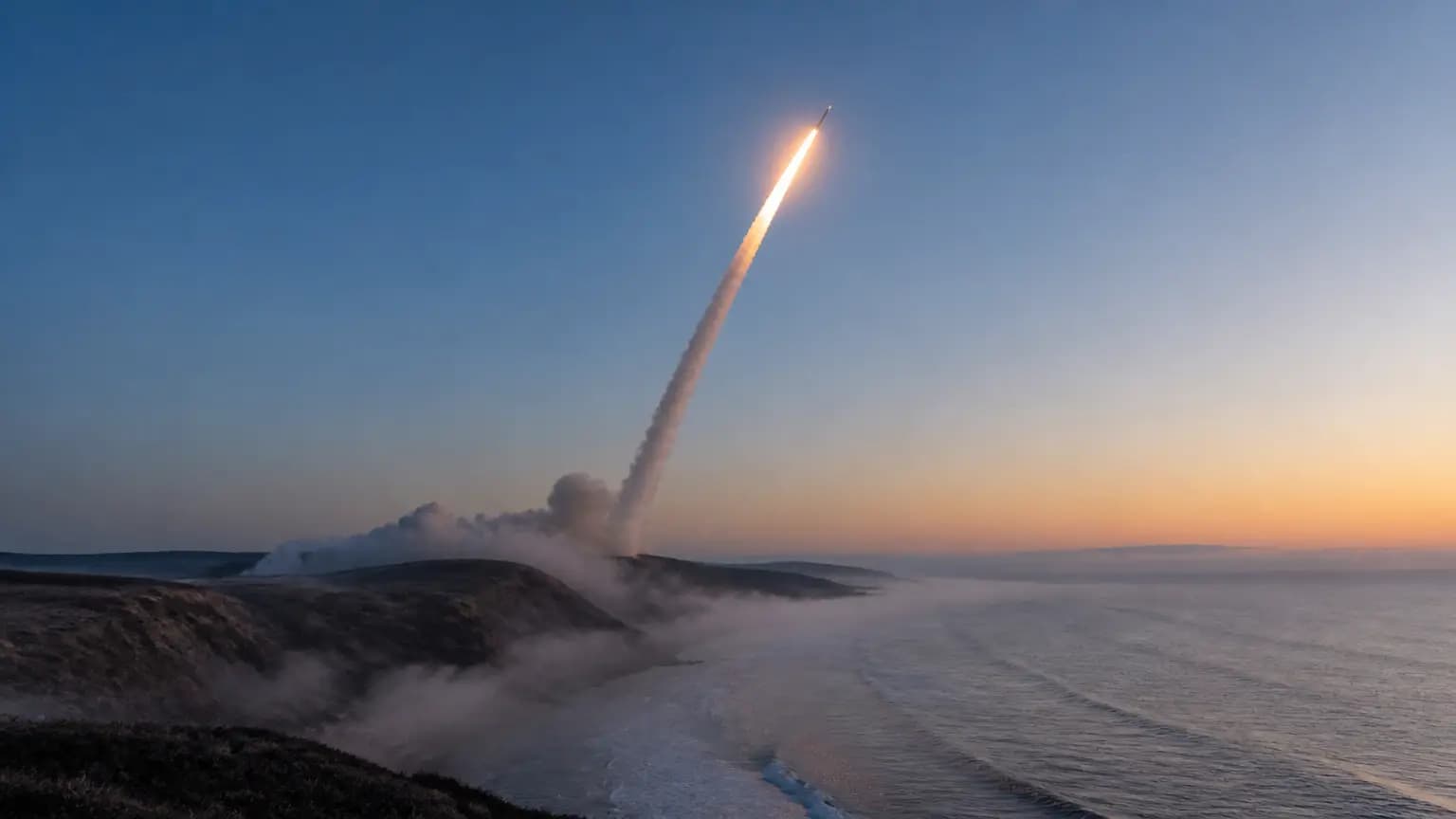
A Falcon 9 is set to carry 27 Starlink V2 Mini satellites from Vandenberg's SLC-4E, with the launch window opening at 6:47 p.m. PDT — an evening liftoff that should be visible across the Central Coast. It marks the 81th Starlink mission of the year, continuing SpaceX's high launch cadence on the Western Range.
 Vandenberg
SpaceX scrubs Vandenberg launch of national security payload, targets backup window on Wednesday
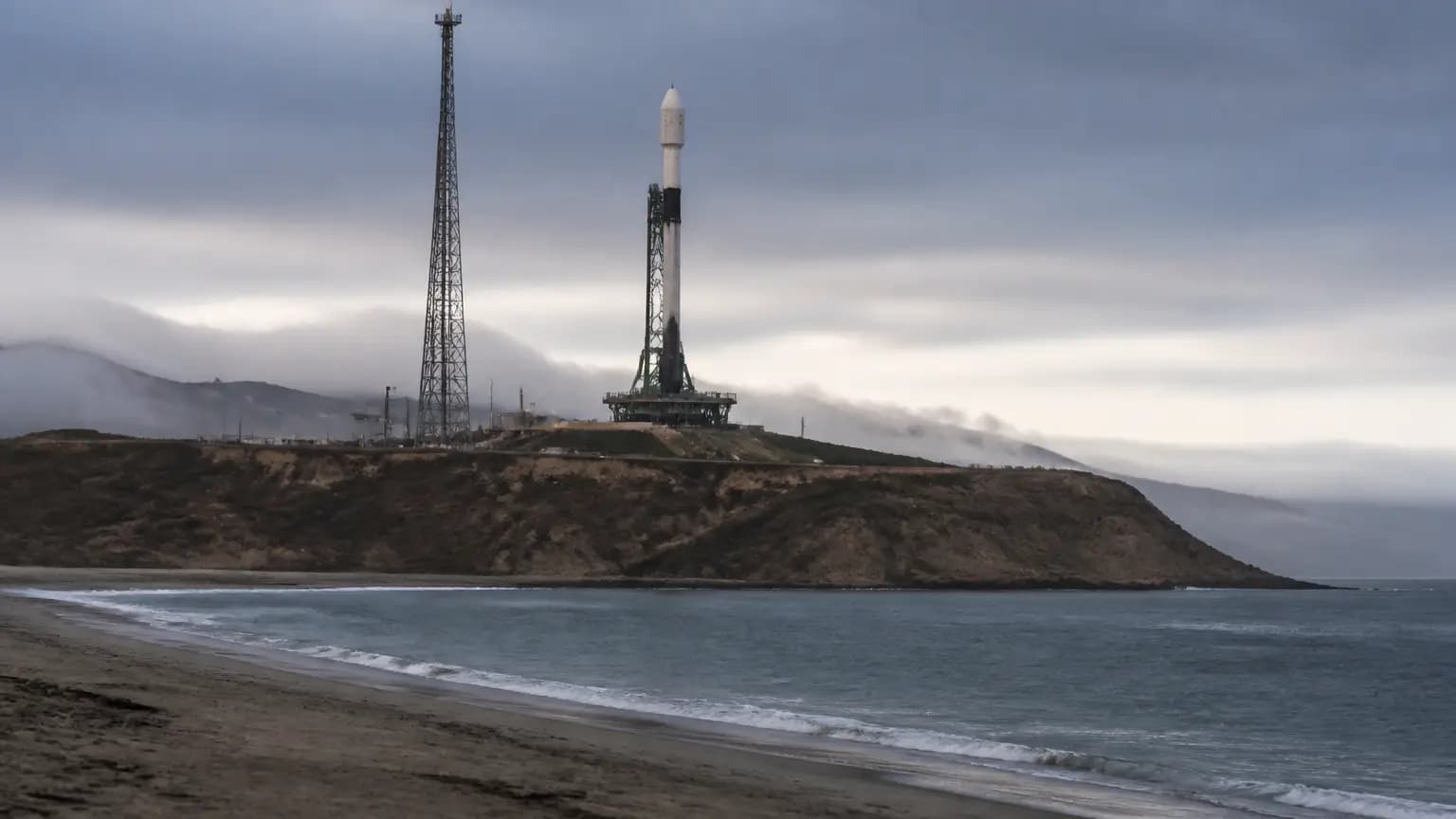
SpaceX scrubbed a national security mission from Vandenberg's SLC-4E and will try again Wednesday, Sept. 16, during a four-hour window opening at 6 p.m. PDT. The payload is classified, with no details on the satellites or customer disclosed. Central Coast viewers should watch for updated window times and possible sonic booms depending on the return-to-launch-site or droneship landing plan.