Live coverage: SpaceX to launch 21 data transport satellites for the Space Development Agency
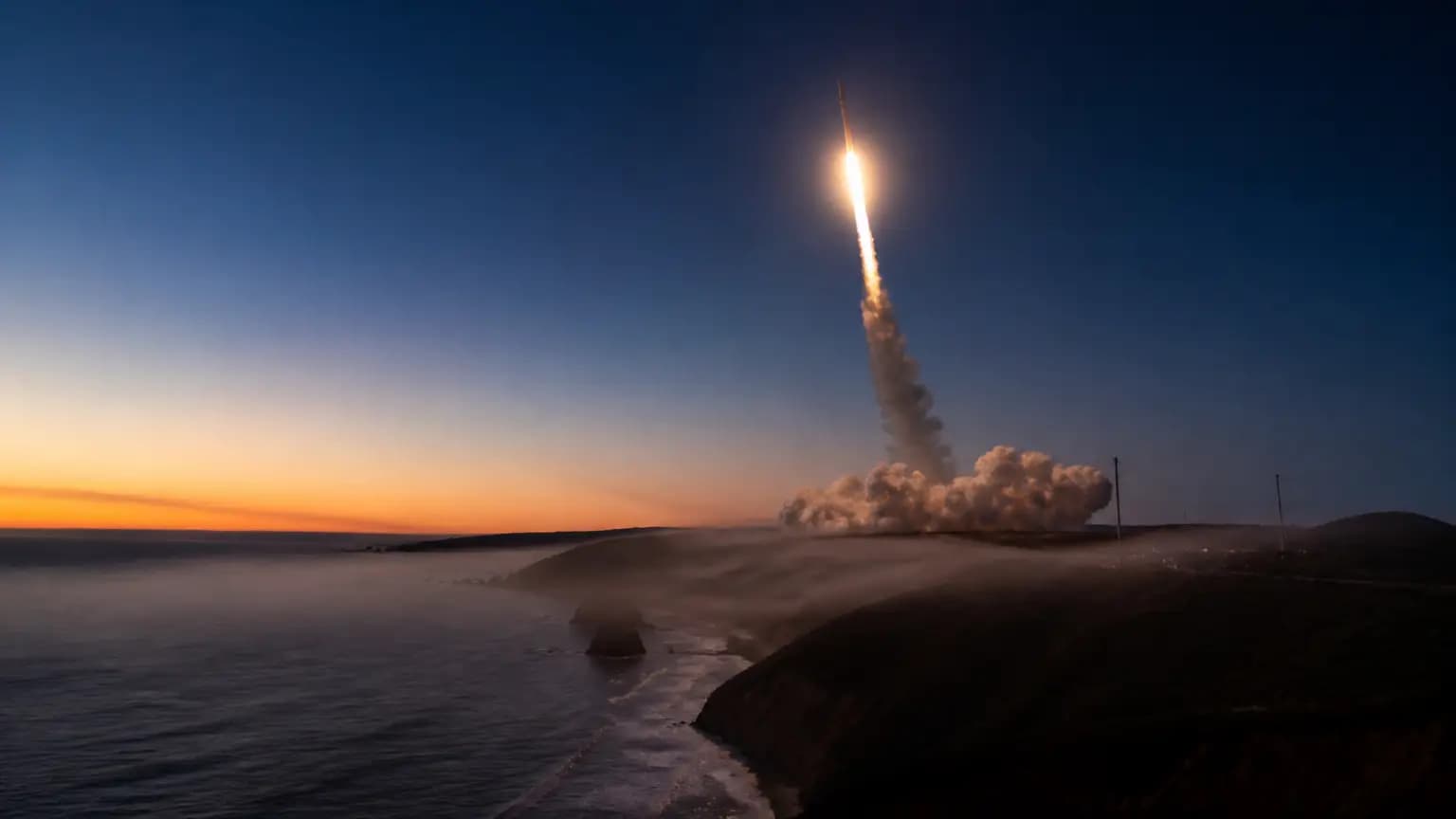
Set your alarms, 805 launch fans — another early-morning rumble is headed our way. Spaceflight Now reported that SpaceX is targeting 1:17 a.m. PDT Monday for the launch of 21 data transport satellites for the Space Development Agency's Space Force constellation, lifting off from Space Launch Complex 4 East at Vandenberg Space Force Base.
For Central Coast residents, this one comes with the full Vandenberg experience: a southerly trajectory over the Pacific and a booster landing back on base. SpaceX plans to land the Falcon 9 first stage — booster B1103, flying for the sixth time — at Landing Zone 4 less than 7.5 minutes after liftoff. If successful, it would be the 37th landing at LZ-4 and the 668th Falcon booster landing overall, per Spaceflight Now. That means Central Coast locals may hear the double sonic boom that accompanies return-to-launch-site landings, a familiar 3 a.m. wake-up call for those of us living in Lompoc, Santa Maria, and points south.
What's flying: Tranche 1 Transport Layer A
The mission, dubbed T1TL-A, is the fourth launch of production satellites for the SDA, the Space Force agency building out the Proliferated Warfighter Space Architecture — a large low Earth orbit constellation designed to support the U.S. military and allies with missile tracking and secure communications.
All 21 satellites on this flight were built by Northrop Grumman, which delivered them to Vandenberg on Sept. 28. That's a notable local detail: the spacecraft were processed right here on the Central Coast before heading to the pad.
A constellation taking shape — one Vandenberg launch at a time
Three SDA Tranche 1 missions have already flown, according to Spaceflight Now: T1TL-B in September 2025, T1TL-C in October 2025, and T1TL-E in July 2026. Those missions carried satellites built by York Space Systems and Lockheed Martin, while this flight is Northrop Grumman's turn.
When complete, Tranche 1 will consist of 126 Transport Layer satellites, 28 Tracking Layer satellites, and four missile defense demonstration spacecraft, with initial operational capability for the Department of Defense expected beginning in 2027. Sixty-three satellites are already in orbit from the three launches to date.
The SDA says the finished Transport Layer could number between 300 and 500 satellites at altitudes of 750 to 1,200 km, with 95 percent of the globe visible to at least two satellites at any moment — connected by optical inter-satellite links the agency says offer much lower latency than traditional radio frequency crosslinks.
The booster: B1103's sixth trip
Booster B1103 is becoming a Vandenberg regular. Spaceflight Now notes its previous flights include the SDA's T1TL-E mission, NROL-179, and three Starlink batches. Its landing at LZ-4 — the pad just up the hill from the launch complex — is now routine, but each return-to-launch-site landing remains one of the best shows Vandenberg offers, with the entry burn visible from miles away on clear nights.
Watching the launch
The 1:17 a.m. PDT liftoff time means prime viewing spots along Ocean Avenue in Lompoc and the bluffs near Vandenberg will be dark and quiet — bring a red flashlight and check base road closures before heading out. Spaceflight Now planned live coverage beginning about 30 minutes before liftoff. As always with Vandenberg launches, weather and range conditions can shift the instantaneous window, so watch for updates from SpaceX on X and here at 805.life.
Reported by 805.life
Written for Central Coast launch fans, drawing on original reporting by Spaceflight Now.
Additional Reporting
Spaceflight NowPublished
October 4, 2026
Topic
Vandenberg
More Launch News
 Vandenberg
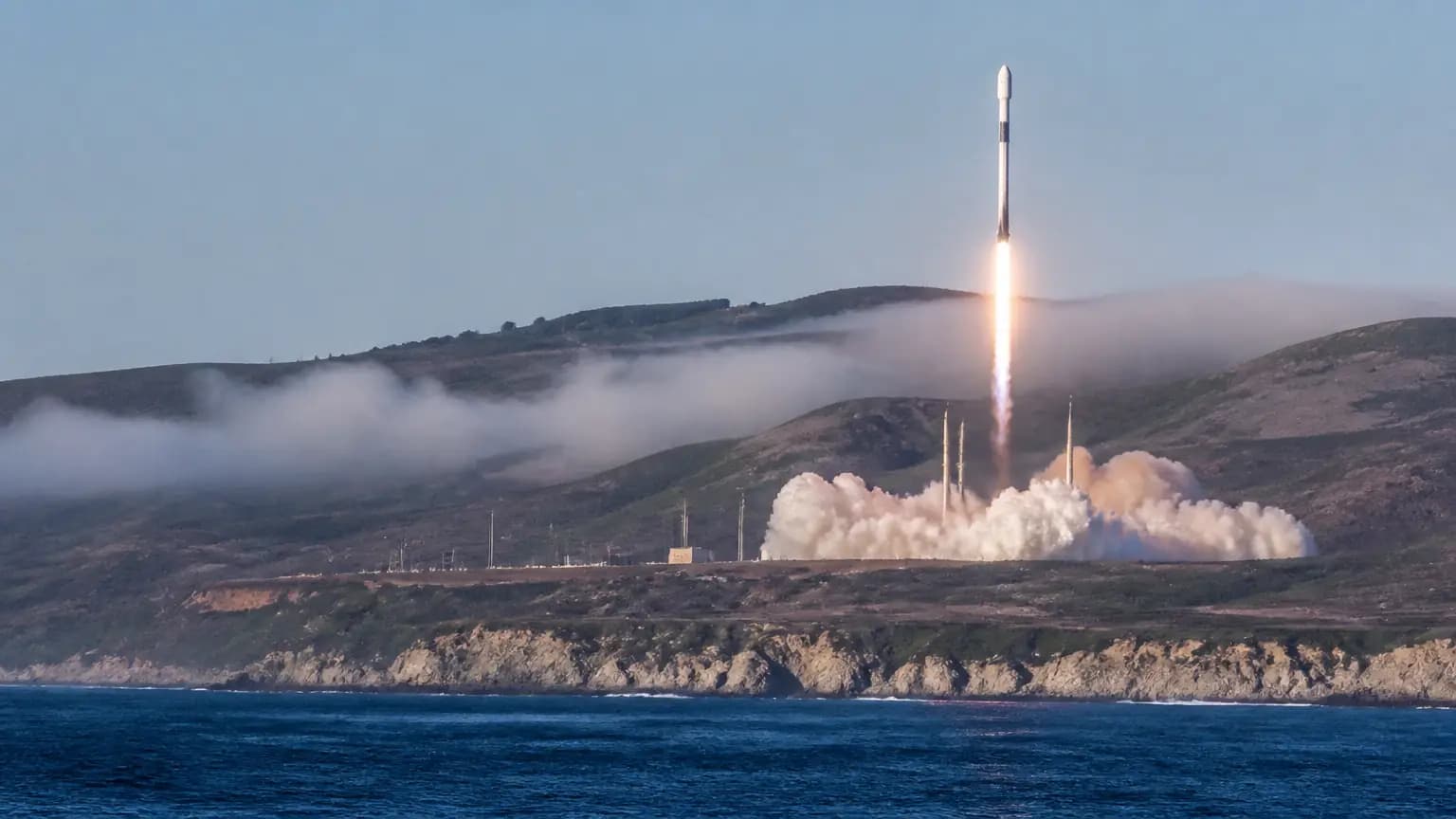
Launch preview: More than 100 spacecraft hitch a ride to orbit on SpaceX’s Transporter-18
SpaceX's Transporter-18 rideshare mission lifted off from Vandenberg's SLC-4E at 11:32 a.m. PDT, carrying 130 payloads to Sun-synchronous orbit. It's a home-state rideshare launch for Central Coast fans, meaning a daytime Falcon 9 liftoff and likely a return landing at LZ-4 with associated sonic booms.
 Vandenberg
Starfish Otter, other payloads set to launch on Transporter 18
SpaceX's Transporter 18 rideshare mission is set to lift off on a Falcon 9 from California, consistent with Transporter missions typically flying from Vandenberg SFB. Details are thin in this summary, but rideshare missions from the Western Range often bring visible dusk launches to the Central Coast. Launch fans should watch for confirmed date, time, and sonic boom advisories.
 Vandenberg
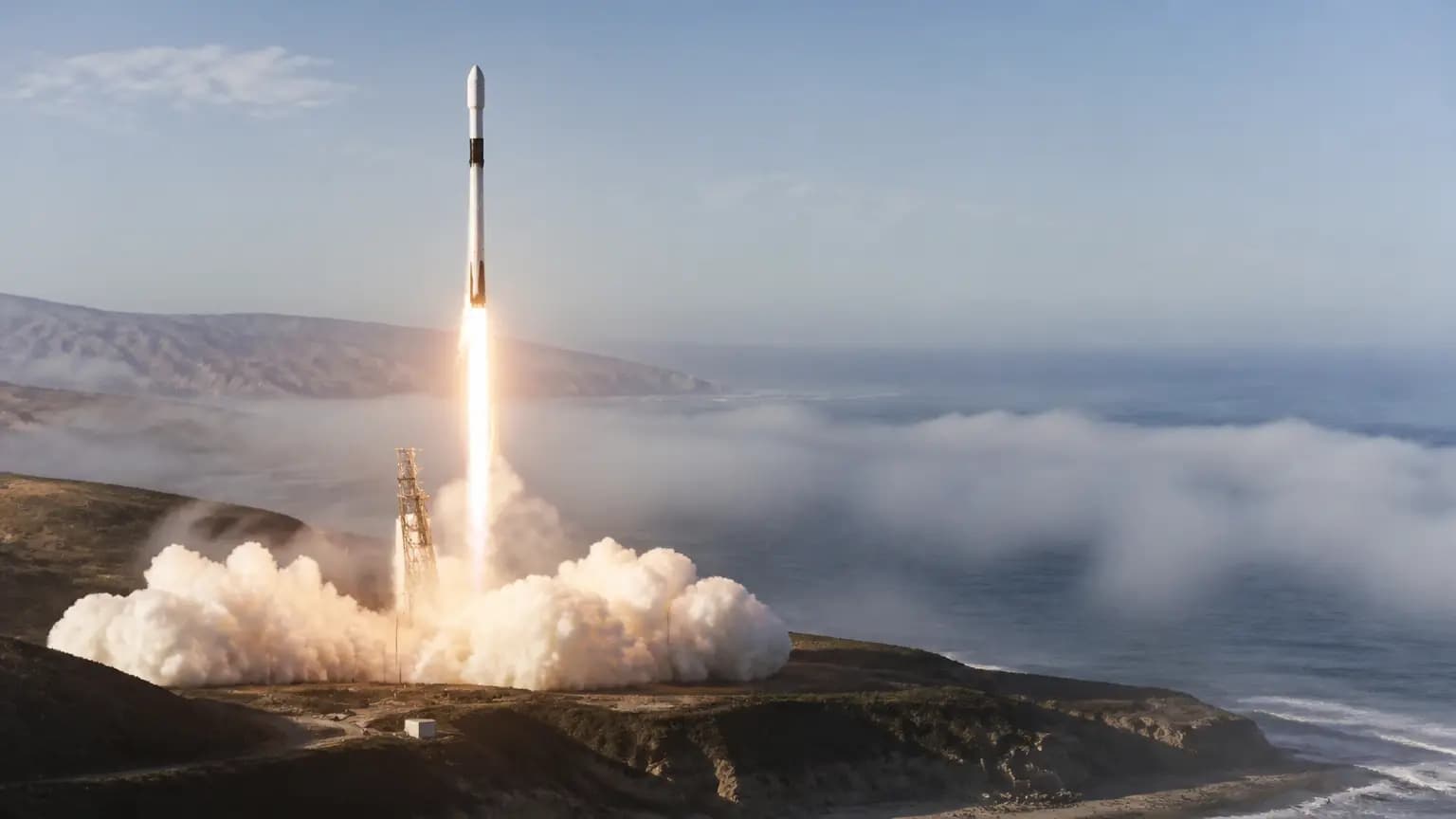
Vandenberg’s Next Mission: SpaceX Launch, Landing Thursday
SpaceX is targeting a Thursday Falcon 9 launch from SLC-4 with a 58-minute window opening at 11:18 a.m., plus a Friday backup. The first-stage booster will attempt a return-to-Vandenberg landing roughly seven minutes after liftoff, giving Central Coast viewers both a launch and a landing to watch.