Making Progress: Relativity’s Terran R, Rocket Lab’s Neutron, and PLD Space’s Miura 5
While most launch watchers have been glued to Starship coverage lately, three companies building brand-new orbital rockets quietly announced significant testing milestones this month — and all three vehicles are targeting debut flights later in 2026. NASASpaceflight reported on July 20 that Relativity Space, Rocket Lab, and PLD Space are all moving from design and fabrication into the grinding, unglamorous qualification work that precedes a first launch.
For Central Coast launch fans used to the Falcon 9 cadence out of Vandenberg's SLC-4E, this news matters for a simple reason: the medium-lift class of rockets these companies are building is exactly the market SpaceX currently dominates at the 805's polar and sun-synchronous launch corridors. More certified medium-lift vehicles means more competition for the national security and Earth-observation missions that regularly light up our skies from Vandenberg — and, eventually, potentially more pads hosting them.
Terran R: stage testing begins in Long Beach
Relativity Space's Terran R is the largest of the three vehicles — a medium-to-heavy lift rocket with a reusable first stage powered by 13 Aeon R engines, burning liquid methane and liquid oxygen. Per the NASASpaceflight report, Relativity recently rolled a qualification article for the reusable first stage from its Long Beach factory to a test stand literally in the facility's parking lot, where engineers have begun pressurized tank testing that applies mechanical loads alongside operational pressures to simulate flight environments.
Meanwhile, the second stage has arrived at NASA's Stennis Space Center in Mississippi for hotfire testing, and all 13 Aeon R engines earmarked for the first flight booster have completed acceptance testing. Launch site work at Cape Canaveral's LC-16 continues in parallel. Notably for reusability watchers, the repeated pressure cycling is specifically intended to validate the structural durability a booster needs for multiple flights — the same philosophy that makes Falcon 9 booster returns to Vandenberg-area landing zones such a spectacle.
Neutron's vacuum engine passes a full-duration burn
Rocket Lab completed a full-duration burn of the vacuum-optimized Archimedes engine that will power Neutron's second stage, releasing video of the firing on July 14. According to NASASpaceflight, the vacuum variant produces roughly 1.2 times the thrust of the sea-level version and stands about 2.5 meters taller thanks to its extended nozzle — though for this ground test, engineers used a shorter "stub skirt" configuration to avoid flow separation side loads that can damage vacuum nozzles fired at sea level.
Neutron's first flight is now slated for the fourth quarter of 2026 after earlier schedule adjustments, and the program did suffer hardware setbacks earlier this year, including the loss of components originally intended for flight use. Still, the milestone is real progress for one of the more distinctive rocket designs in development — its payload fairing stays attached to the reusable first stage through ascent and recovery.
Miura 5 and the small-lift crowd
Spanish company PLD Space is developing Miura 5, an expendable two-stage small-lift rocket fueled by RP-1 and liquid oxygen, aimed at the small satellite market. It's the smallest of the three vehicles, but it rounds out a picture worth noting: a new generation of launch providers is entering service at roughly the same time.
Why the 805 should watch this space
None of these three rockets has a Vandenberg debut on the immediate horizon — Relativity's first flight infrastructure is at Cape Canaveral — but the trajectory of the industry is what matters locally. The missions that keep Vandenberg busy — polar-orbiting weather satellites, reconnaissance payloads, and Earth-observation constellations flying south over the Pacific — are precisely the customers these new medium-lift vehicles are courting. As NASASpaceflight noted, substantial integration, ground testing, and regulatory work remains for Terran R before any launch attempt, and Rocket Lab and PLD Space face their own qualification hurdles.
Still, when a second and third provider begins flying medium-lift reusable rockets, the pressure on pricing and cadence across the industry will be felt everywhere — including at the pads up on Vandenberg's ridge. For now, 805 launch fans can enjoy the test-stand videos and keep their calendars open for a busy fourth quarter of 2026.
Reported by 805.life
Written for Central Coast launch fans, drawing on original reporting by NASASpaceflight.
Additional Reporting
NASASpaceflightPublished
July 20, 2026
Topic
Vandenberg
More Launch News
 Vandenberg
Launch preview: More than 100 spacecraft hitch a ride to orbit on SpaceX’s Transporter-18
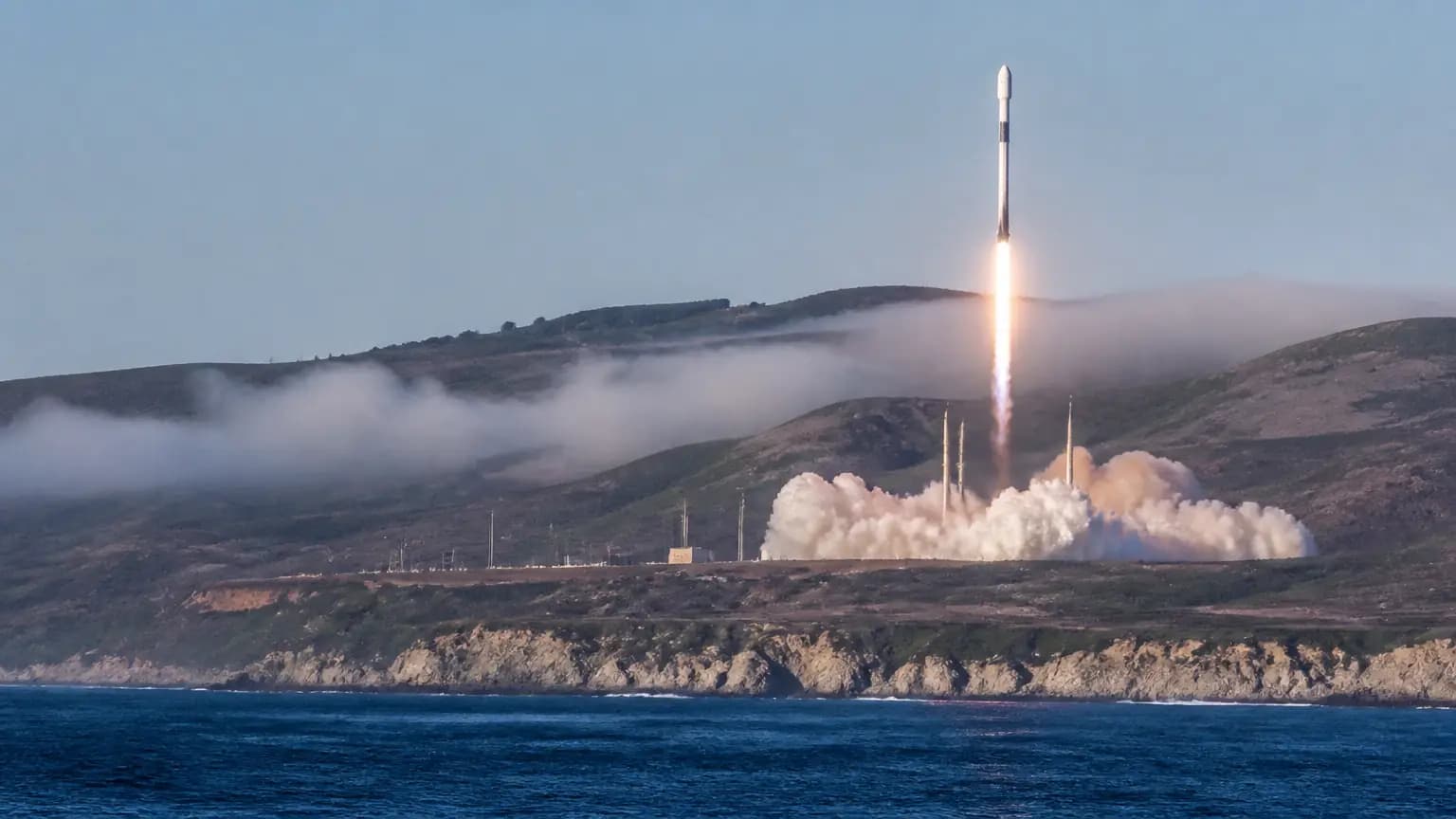
SpaceX's Transporter-18 rideshare mission lifted off from Vandenberg's SLC-4E at 11:32 a.m. PDT, carrying 130 payloads to Sun-synchronous orbit. It's a home-state rideshare launch for Central Coast fans, meaning a daytime Falcon 9 liftoff and likely a return landing at LZ-4 with associated sonic booms.
 Vandenberg
Starfish Otter, other payloads set to launch on Transporter 18
SpaceX's Transporter 18 rideshare mission is set to lift off on a Falcon 9 from California, consistent with Transporter missions typically flying from Vandenberg SFB. Details are thin in this summary, but rideshare missions from the Western Range often bring visible dusk launches to the Central Coast. Launch fans should watch for confirmed date, time, and sonic boom advisories.
 Vandenberg
Vandenberg’s Next Mission: SpaceX Launch, Landing Thursday
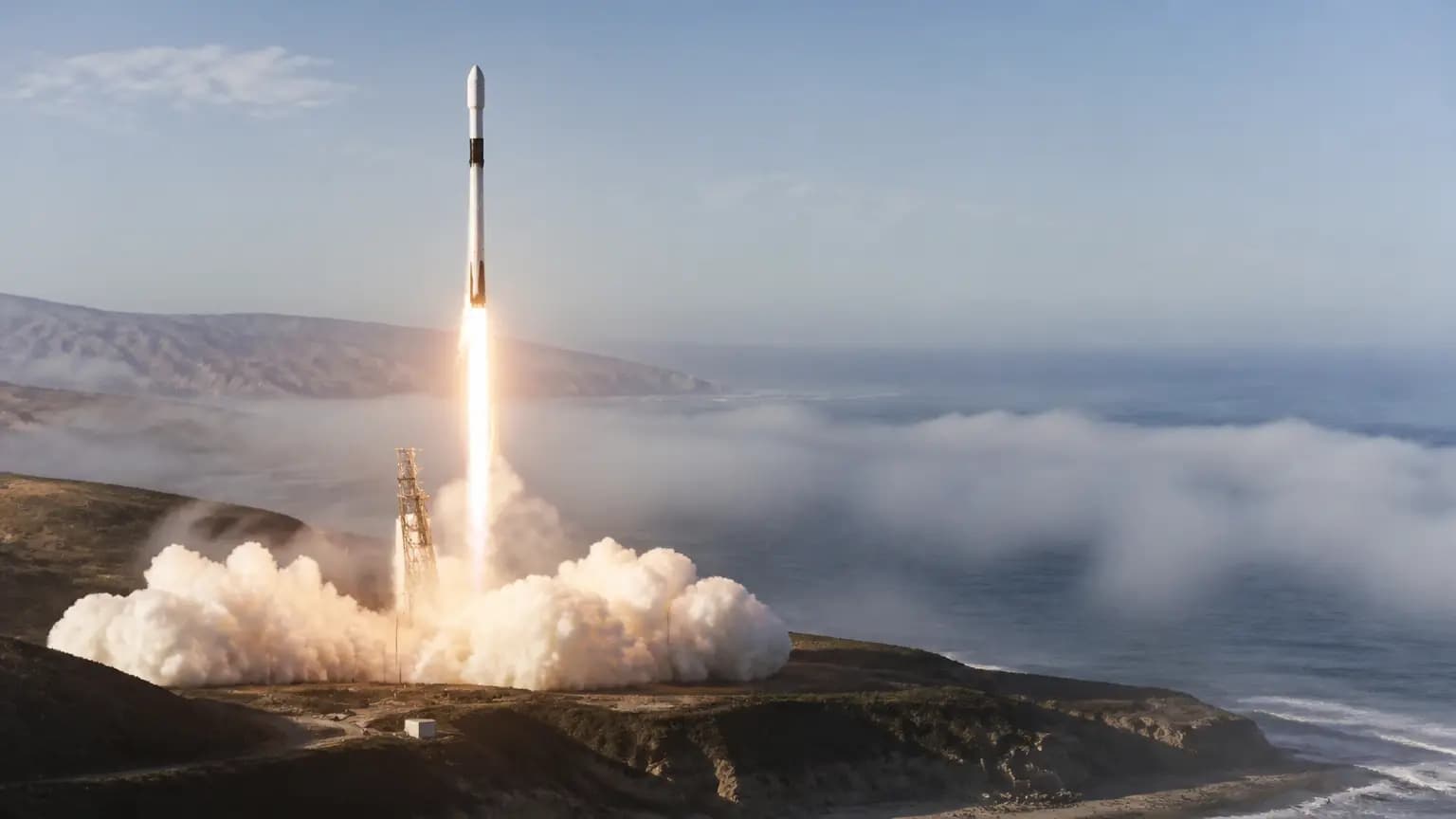
SpaceX is targeting a Thursday Falcon 9 launch from SLC-4 with a 58-minute window opening at 11:18 a.m., plus a Friday backup. The first-stage booster will attempt a return-to-Vandenberg landing roughly seven minutes after liftoff, giving Central Coast viewers both a launch and a landing to watch.