SpaceX achieves incredible milestone with Starlink program
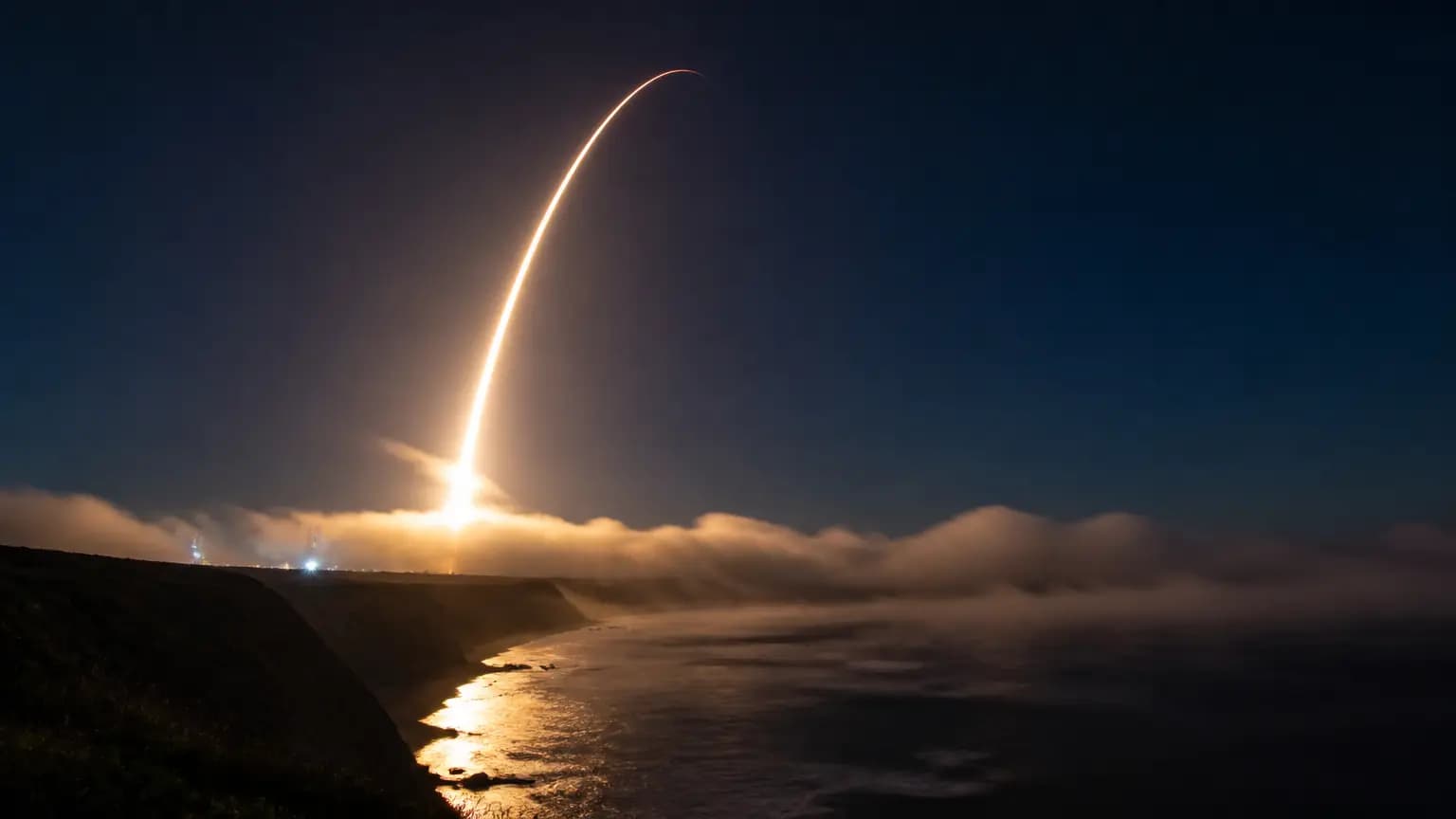
Early risers (and night owls) along the Central Coast got a show worth losing sleep over. On August 19 at 04:01 UTC — that's roughly 9:01 PM Pacific on the evening before, depending on your clock math — a Falcon 9 lifted off from Space Launch Complex 4 East at Vandenberg Space Force Base, carrying 24 Starlink V2 Mini satellites on the Starlink Group 17-50 mission.
As Teslarati reported, this wasn't just another routine Tuesday launch from the 805. The deployment pushed the total number of Starlink satellites in orbit to just over 11,000, a milestone for a program that started with a pair of test satellites nicknamed Tintin A and B back in February 2018.
A Vandenberg night launch, a reusable workhorse
The mission had all the hallmarks Central Coast launch watchers have come to expect from SpaceX's West Coast operations. The first stage, booster B1097 flying for the twelfth time, stuck its landing on the droneship Of Course I Still Love You stationed in the Pacific — the accompanying sonic rumble and the slow drift of the reentry burn back toward the horizon are part of why so many of us camp out on Highway 1 overlooks and Santa Barbara rooftops for these.
The satellites were deployed into low Earth orbit roughly an hour after liftoff, following the southerly polar trajectory that makes Vandenberg launches visible — and often photographable — up and down the coast, from San Luis Obispo to Ventura and beyond.
Why 11,000 matters
It's easy to be numb to launch cadence when Falcon 9s fly as often as they do, but the raw numbers put this in perspective. According to Teslarati, SpaceX has flown hundreds of dedicated Starlink missions since that first operational batch of 60 satellites launched from Cape Canaveral in May 2019, typically lofting 20 to 30 spacecraft per flight on reusable boosters like B1097. By mid-2026, the company had surpassed 12,000 total Starlink satellites launched across all versions, with older units deorbiting on schedule to manage orbital debris.
Every one of those southern-trajectory Starlink missions that pads the constellation's count is a chance for 805 residents to watch a rocket climb into the dark over the Pacific — and this week's flight delivered the constellation's biggest round number yet.
What's next: V3 satellites and a 100,000-bird filing
The milestone also marks a turning of the page. Teslarati notes that SpaceX's future plans center on next-generation V3 satellites, larger spacecraft with substantially higher throughput that will require the payload capacity of Starship — meaning the Falcon 9 Starlink flights we watch from our backyards will eventually give way to a new vehicle and, presumably, new viewing logistics.
In July, SpaceX applied to the FCC for authority to build a Gen3 constellation of up to 100,000 satellites, operating in very low Earth orbit at altitudes near 325 and 475 kilometers, using existing Ku, Ka, V, and E band spectrum plus new W and D band frequencies between 92 and 275 GHz. SpaceX said the expanded system is aimed at multi-gigabit symmetrical broadband for consumers, enterprises, governments, and billions of AI-powered devices.
Approval would hinge on regulatory review and Starship's readiness for high-volume launches — so don't expect the 100,000-satellite era to arrive on Vandenberg's pads next month.
The takeaway for the 805
For now, the beat goes on: Falcon 9s flying from SLC-4E, boosters landing on Pacific droneships, and a constellation that just crossed five digits. The Starlink network already serves millions of users in more than 160 countries, per Teslarati, spanning residential internet, maritime, aviation, and emergency services — and a healthy share of the hardware keeping it running has flown through our slice of the California coast.
Keep an eye on the 805.life launch calendar for the next Vandenberg window. If this week proved anything, it's that even a "routine" Starlink flight can quietly make history.
Reported by 805.life
Written for Central Coast launch fans, drawing on original reporting by Teslarati.
Additional Reporting
TeslaratiPublished
August 19, 2026
Topic
Vandenberg
More Launch News
 Vandenberg
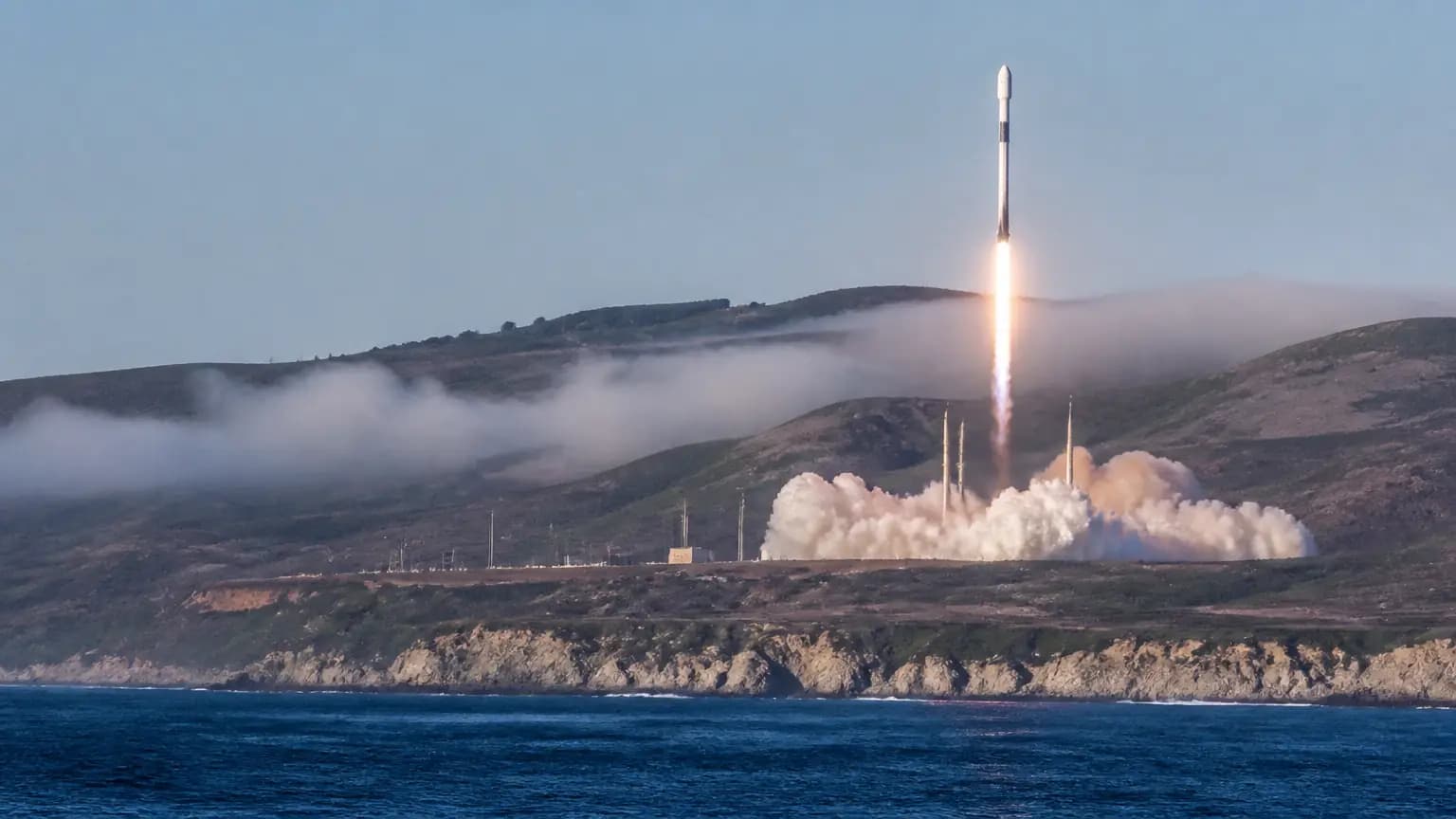
Launch preview: More than 100 spacecraft hitch a ride to orbit on SpaceX’s Transporter-18
SpaceX's Transporter-18 rideshare mission lifted off from Vandenberg's SLC-4E at 11:32 a.m. PDT, carrying 130 payloads to Sun-synchronous orbit. It's a home-state rideshare launch for Central Coast fans, meaning a daytime Falcon 9 liftoff and likely a return landing at LZ-4 with associated sonic booms.
 Vandenberg
Starfish Otter, other payloads set to launch on Transporter 18
SpaceX's Transporter 18 rideshare mission is set to lift off on a Falcon 9 from California, consistent with Transporter missions typically flying from Vandenberg SFB. Details are thin in this summary, but rideshare missions from the Western Range often bring visible dusk launches to the Central Coast. Launch fans should watch for confirmed date, time, and sonic boom advisories.
 Vandenberg
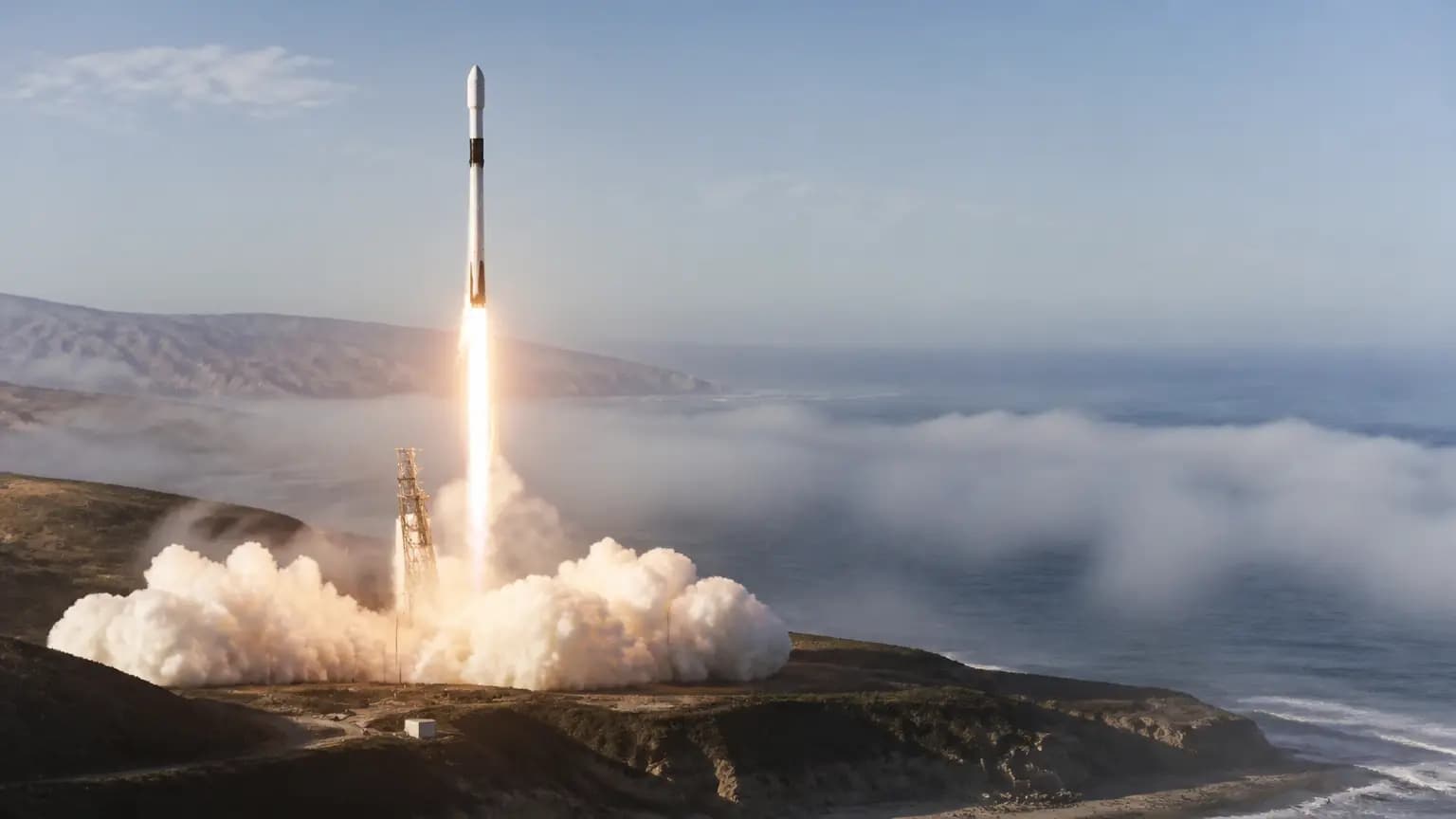
Vandenberg’s Next Mission: SpaceX Launch, Landing Thursday
SpaceX is targeting a Thursday Falcon 9 launch from SLC-4 with a 58-minute window opening at 11:18 a.m., plus a Friday backup. The first-stage booster will attempt a return-to-Vandenberg landing roughly seven minutes after liftoff, giving Central Coast viewers both a launch and a landing to watch.