SpaceX West Coast Team Sets Record with Quick Turnaround Between Falcon Liftoffs
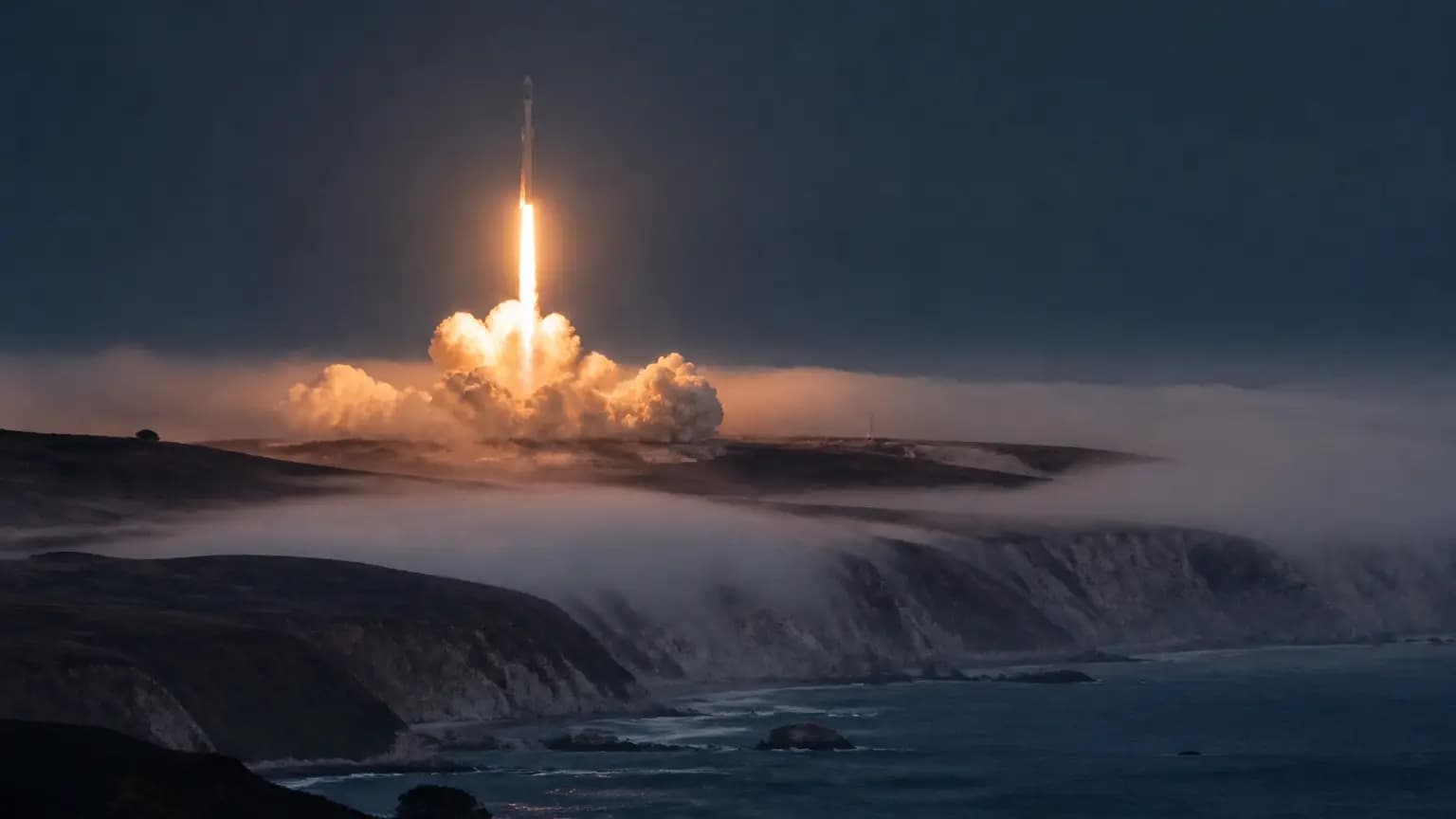
If you spent your weekend on the Central Coast, you may have caught two SpaceX launches from Vandenberg Space Force Base in barely more than a day — and the second one made history. Noozhawk reported that Sunday's pre-dawn Falcon 9 flight from Space Launch Complex-4 East set a world record for the fastest launch-to-launch turnaround from the same pad: just 32 hours, 3 minutes, 21 seconds after Friday night's mission from SLC-4.
For longtime 805 launch watchers, that number is staggering. Vandenberg used to be a pad where months — sometimes years — separated missions. Now the West Coast team is pushing toward a 24-hour reuse of the same launch complex.
The Record Flight
The two-stage Falcon 9 lifted off at 4:23 a.m. Sunday from SLC-4E, carrying a National Reconnaissance Office payload designated NROL-136. About eight minutes later, the first-stage booster returned to land just west of the launch site, treating Santa Barbara and Ventura county residents to the now-familiar crack of sonic booms rolling across the coast — plus a twisting contrail visible at dawn as far away as Carpinteria.
The record-breaking part came down to pad operations. Kiko Dontchev, SpaceX's vice president of launch, credited the West Coast team with a "massive high five" and said the 32-hour turnaround "smashed" the previous record of 45 hours set at Pad 40 in Florida. He added that the team achieved the mark with several hours of margin, and that SpaceX's next goal is a 24-hour gap between missions from the same pad.
Why Vandenberg Can Do This Now
The speed is built on reuse. Falcon 9's first stage — the lower two-thirds of the rocket — flies back to Vandenberg or to a droneship in the Pacific, and SpaceX now operates multiple boosters with more than 30 flights each, according to Noozhawk's reporting. The company also recovers and reflies its payload fairings, the two halves of the rocket's nose cone that shelter satellites during ascent. (The fairing halves used on Sunday's mission happened to be flying for the first time.)
For the 805, this cadence has real consequences. Multiple launches per week from SLC-4 have become routine, which means more pre-dawn contrails over the Pacific, more landing booms rattling windows from Lompoc to Goleta, and more reasons to keep an eye on the Vandenberg launch calendar.
A New Era for the NRO
The payload itself tells its own story about how launch has changed. NROL-136 was the NRO's fourth "proliferated" launch of the year, part of a shift away from the old model of launching enormous satellites years apart. Instead, the agency now deploys constellations of smaller intelligence, reconnaissance, and surveillance spacecraft.
NRO officials said Sunday's launch "boosts NRO's momentum in deploying the largest satellite constellation in U.S. government history," and that 2026's launch frequency will keep accelerating through year-end. That means Vandenberg — with its access to polar and sun-synchronous orbits — will stay busy as the NRO's West Coast workhorse.
When to Watch Next
No need to wait long for the next show. Noozhawk reported that Vandenberg's next launch is scheduled during a four-hour window opening at 7:55 a.m. Tuesday, again from SLC-4 — a morning shot that should be visible up and down the Central Coast if skies cooperate.
Set the alarm, check the fog forecast, and pick your viewing spot. At this cadence, the 805's launch-watching habit is officially a weekly — sometimes twice-weekly — ritual.
Reported by 805.life
Written for Central Coast launch fans, drawing on original reporting by Noozhawk.
Additional Reporting
NoozhawkPublished
November 22, 2026
Topic
Vandenberg
More Launch News
 Vandenberg
’s Next Mission: SpaceX Rocket Launch Tuesday
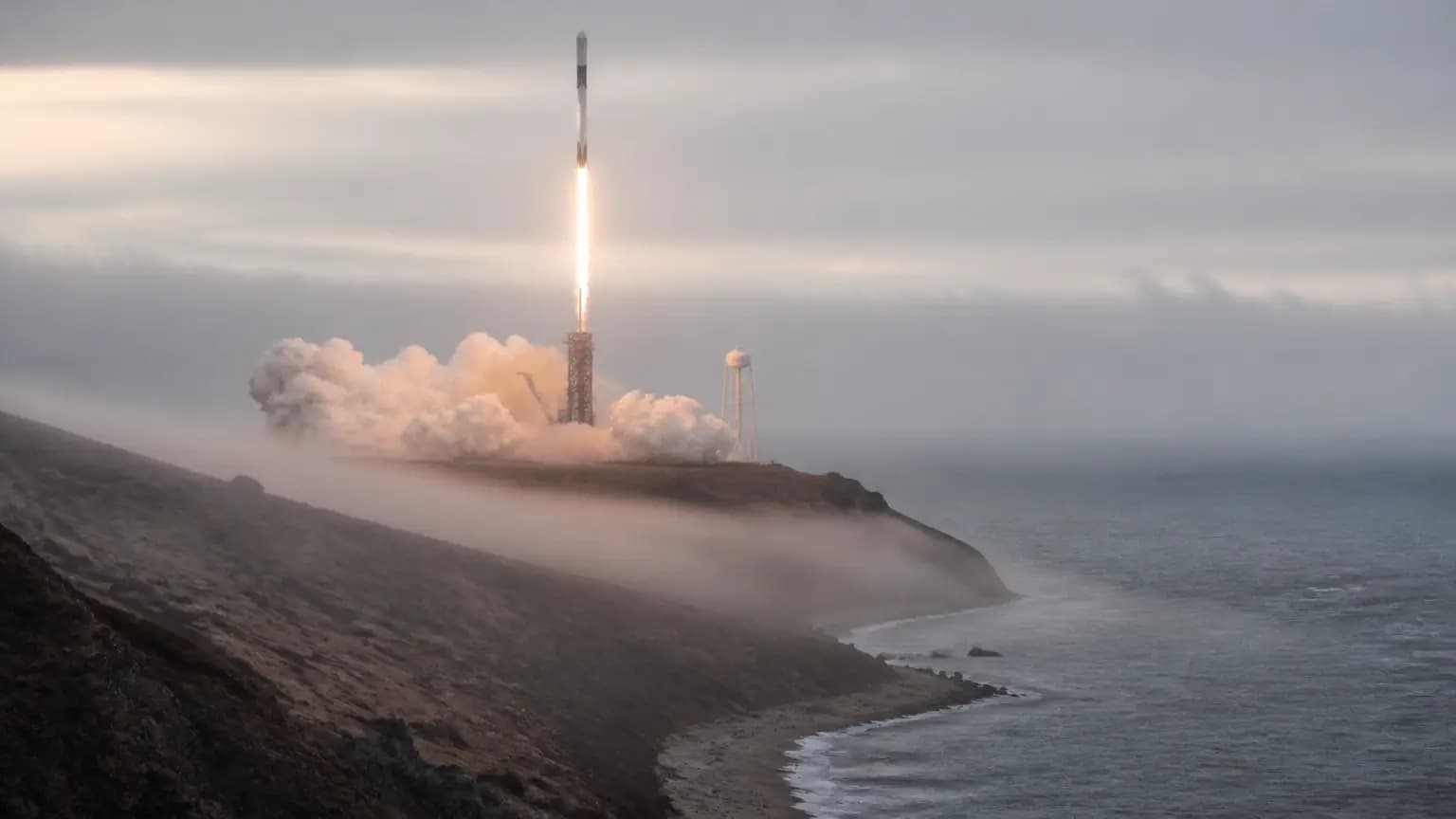
A Falcon 9 is set to lift off from SLC-4 on South Base during a Tuesday morning window from 7:55 to 11:55 a.m., with a Wednesday backup window starting at 7:46 a.m. The first-stage booster flying this mission is on its 29th flight, among the more seasoned in the fleet. Morning windows like this often mean good viewing from the Lompoc Valley and surrounding Central Coast vantage points.
 Vandenberg
Live coverage: SpaceX to launch classified payload for the U.S. Space Force
SpaceX is launching a classified U.S. Space Force payload from pad 4E at Vandenberg SFB, with liftoff scheduled during a window opening 7:55 a.m. PST. As the third flight with a 'TH' designation, details will be limited, but this is a homegame launch for Central Coast viewers—watch for possible sonic booms and road closures around the base.
 Vandenberg
’s Next Mission: SpaceX Rocket Launch, Landing with Sonic Boom Sunday
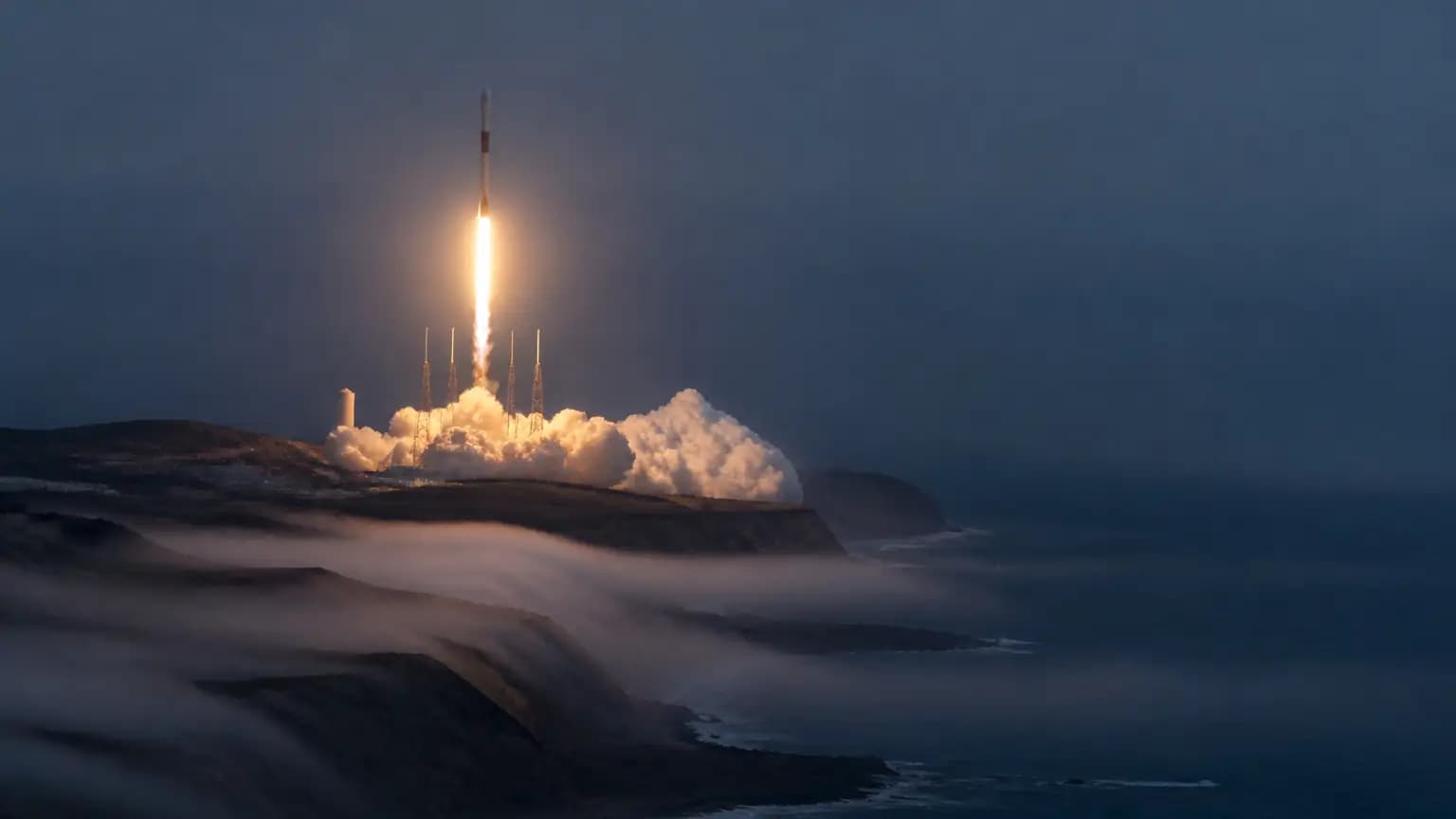
SpaceX has a predawn Falcon 9 launch from Vandenberg SFB with a 4:16–4:46 a.m. Sunday window and a Monday backup starting at 4:02 a.m. The mission includes a booster return to the launch site, meaning Central Coast residents should expect sonic booms. The payload and orbit haven't been detailed in this summary, so check SpaceX's official channels for mission specifics.