Viewing Guide
Harris Grade
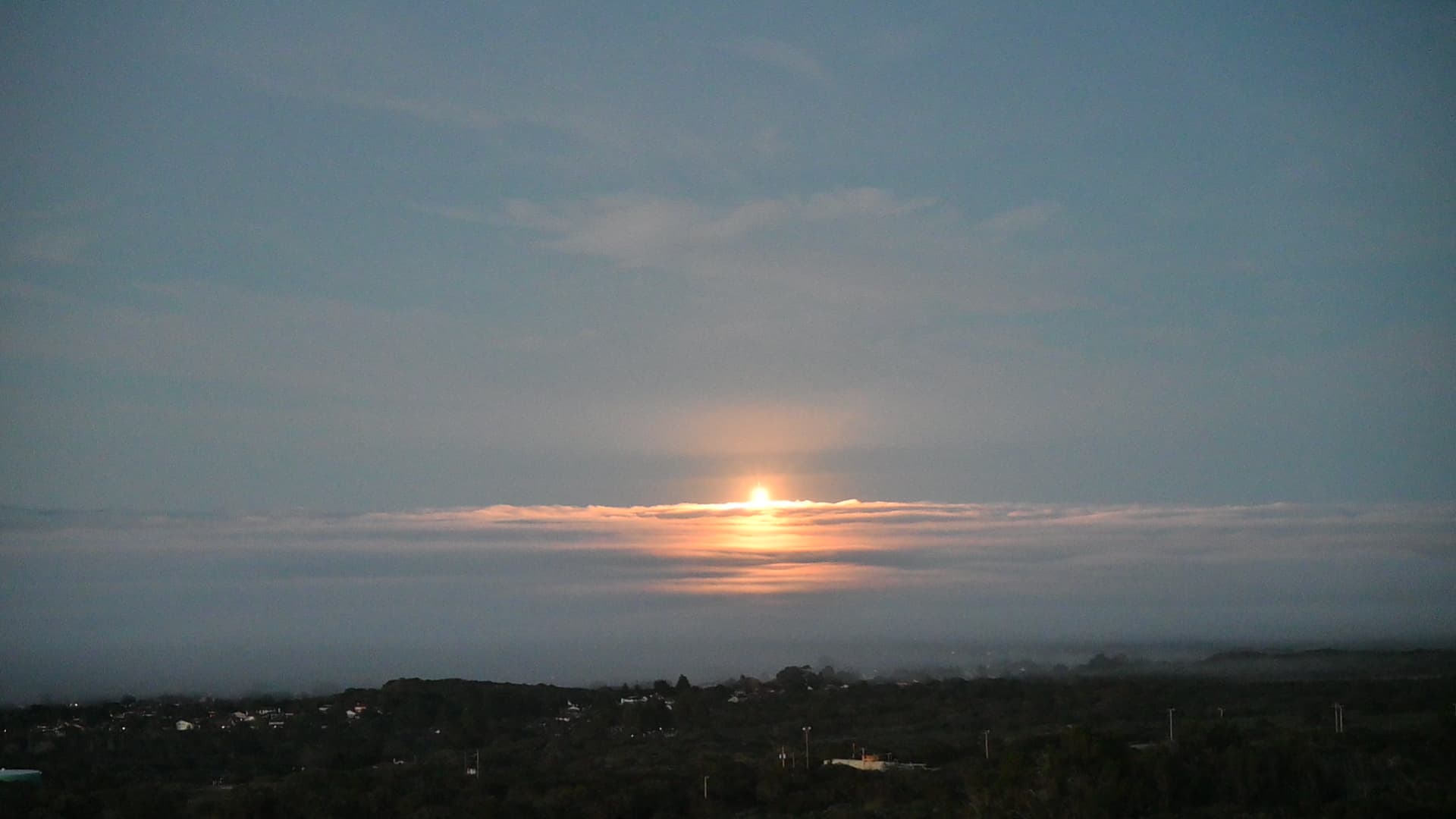
Harris Grade offers open views above Lompoc's fog layer, 10 miles from the pad. A local favorite for night launches and RTLS boosters returning overhead.
Distance
10
Access
Easy access
Look toward
SW
City
Lompoc
At a Glance
Harris Grade is a roadside viewing corridor in the hills east of Lompoc, ten miles from Vandenberg's launch pads. The spot consists of a few turnouts along Harris Grade Road, perched high enough that you often sit above the marine layer that can swallow both the city below and the launch complex itself. That elevation advantage makes this one of the most reliable spots within a fifteen-minute drive of town, especially during early-morning launches when fog is likely.
The single most important thing to know is that Harris Grade has become the local favorite for watching Return To Launch Site booster landings. When SpaceX flies an RTLS mission, the Falcon 9 first stage climbs away, separates, flips, and comes screaming back to land at one of Vandenberg's concrete pads. From Harris Grade, you watch that booster arc overhead and descend back toward the Base, followed seconds later by the twin sonic booms that rattle car windows across the valley. Get there early; turnout space is limited and word has spread.
What You'll See From Here
At ten miles out, you are close enough to see real structure in the exhaust plume and hear the crackle and rumble of the engines. The view opens across a canyon toward the launch complexes, and because you are looking across rather than steeply up, you will see the rocket from liftoff through a long, climbing arc over the Pacific. Day launches appear as a brilliant white flame trailing white exhaust; night launches turn the entire sky orange and pink, backlighting any fog below you and casting shadows on the hills behind. If the launch occurs during twilight, when the sun has set at ground level but still illuminates the upper atmosphere, you may see the jellyfish effect: the rocket climbs into sunlight and its expanding exhaust plume glows an electric blue-white against the darkening sky, visible for a hundred miles up and down the coast.
The real drama at Harris Grade, though, is the RTLS booster return. After stage separation, the first stage booster becomes a bright descending star, three engines blazing as it brakes for landing. You will hear three distinct sound events: the initial launch roar, a quieter hum as the booster descends, and then the double crack of the sonic boom as the booster breaks the sound barrier on its way down. The boom echoes off the hills and arrives sharp enough that first-timers often flinch. It is a visceral experience, and it is why locals say this spot is the best for Return To Launch Site missions.
During the day, you will have no trouble seeing the rocket and tracking it through ascent. At night, bring a flashlight for walking back to your car and be prepared for your night vision to vanish the moment the engines light. The distance means you will not feel the ground shake the way you might at closer spots, but the sound is still substantial, arriving about thirty seconds after liftoff.
Getting There and Parking
Harris Grade Road climbs east out of Lompoc into the hills, and the turnouts used for launch viewing are along that climb. Access is easy; the road is paved and public. Parking, however, is limited to a couple of roadside turnouts that fill quickly for popular launches, especially night missions and RTLS flights. Arrive at least an hour early for a routine Starlink launch, and earlier still if the mission involves a booster return or if it is a weekend evening launch that will draw families.
The local rule is simple: get a safe spot and do not take up more space than you need. Do not block turnout entrances or park in a way that forces other cars onto the travel lane. Harris Grade is a working road, and emergency vehicles or Base personnel may need to pass. Some RTLS missions trigger temporary closures of areas closer to the Base; Harris Grade itself stays open, but double-check Vandenberg's public-affairs announcements the day of launch to confirm there are no surprises. Do not attempt to hike onto Base property from here; the boundary is marked and enforced.
Best Launches to Watch From Harris Grade
This spot shines for both night and day launches, but it has earned its reputation on RTLS missions. When SpaceX lands a booster back at Vandenberg instead of sending it to a droneship, Harris Grade puts you in the flight path: you see the rocket leave, you see the booster come back, and you hear the double sonic boom that announces its return. Transporter rideshare missions often use RTLS; check the mission profile when it is published. The July 2026 Transporter 17 flight, for example, is a perfect candidate if it follows the typical SpaceX cadence.
Night launches and twilight launches are spectacular from here because the elevation keeps you above much of the fog. Even if Lompoc is socked in, you may find yourself in clear air, watching the plume light up the underside of the marine layer like a sunrise. Day launches are excellent for photography; the open view and the distance give you time to track the rocket and adjust your framing as it climbs. Families appreciate the easy access and the fact that you can stay in or near your car, which makes it manageable with small children who may lose interest or need a quick retreat.
Tips for a Good Watch
Arrive early. For a night launch or an RTLS mission, that means at least sixty to ninety minutes before the window opens. Bring layers; even in summer, the marine air can be cool once the sun drops, and you will be standing outside in the dark. A portable radio tuned to a local station or a phone streaming the SpaceX webcast will keep you informed of holds or scrubs. Bring a flashlight or headlamp, and consider red-light mode if you plan to preserve your night vision for photography.
If you are shooting photos, a tripod is essential for night launches. Set your camera to manual mode, use a wide-angle lens to capture the full arc, and bracket your exposures; the plume is far brighter than the landscape and will blow out your highlights if you are not careful. For RTLS missions, keep your lens wide and your shutter ready during the return phase; the booster descends fast and the sonic boom will startle you if you are not expecting it. Fog is the wild card along this stretch of coast. Check local weather and webcams the morning of the launch. If the National Weather Service forecast calls for low clouds and fog in Lompoc, Harris Grade's elevation gives you a fighting chance, but it is not a guarantee. If the pad itself is fogged in, no viewing spot will save you.
Map
Harris Grade and the Launch Pad
This spot in relation to Vandenberg's SLC-4E pad, roughly 235° (SW) away.
Frequently Asked
Next Launch to Watch From Here

Plan Your Visit
From the pad
10
Look toward
SW (235°)
Parking
A couple road side turn outs
Insider tip
BEST SPOT FOR A RETURN TO SENDER. Get there early to get a safe parking spot. Try not to take up to much space.
Key Facts
- 10 miles from the launch pad
- Easy roadside access with limited turnout parking
- Often above the fog that blankets Lompoc and the pad
- Best for night launches, day launches, photography, and families
- Prime location for watching Return To Launch Site (RTLS) booster landings
- Arrive early to secure safe parking in turnouts