Aggressive Daytime-biting Mosquitoes Threaten County Infestation
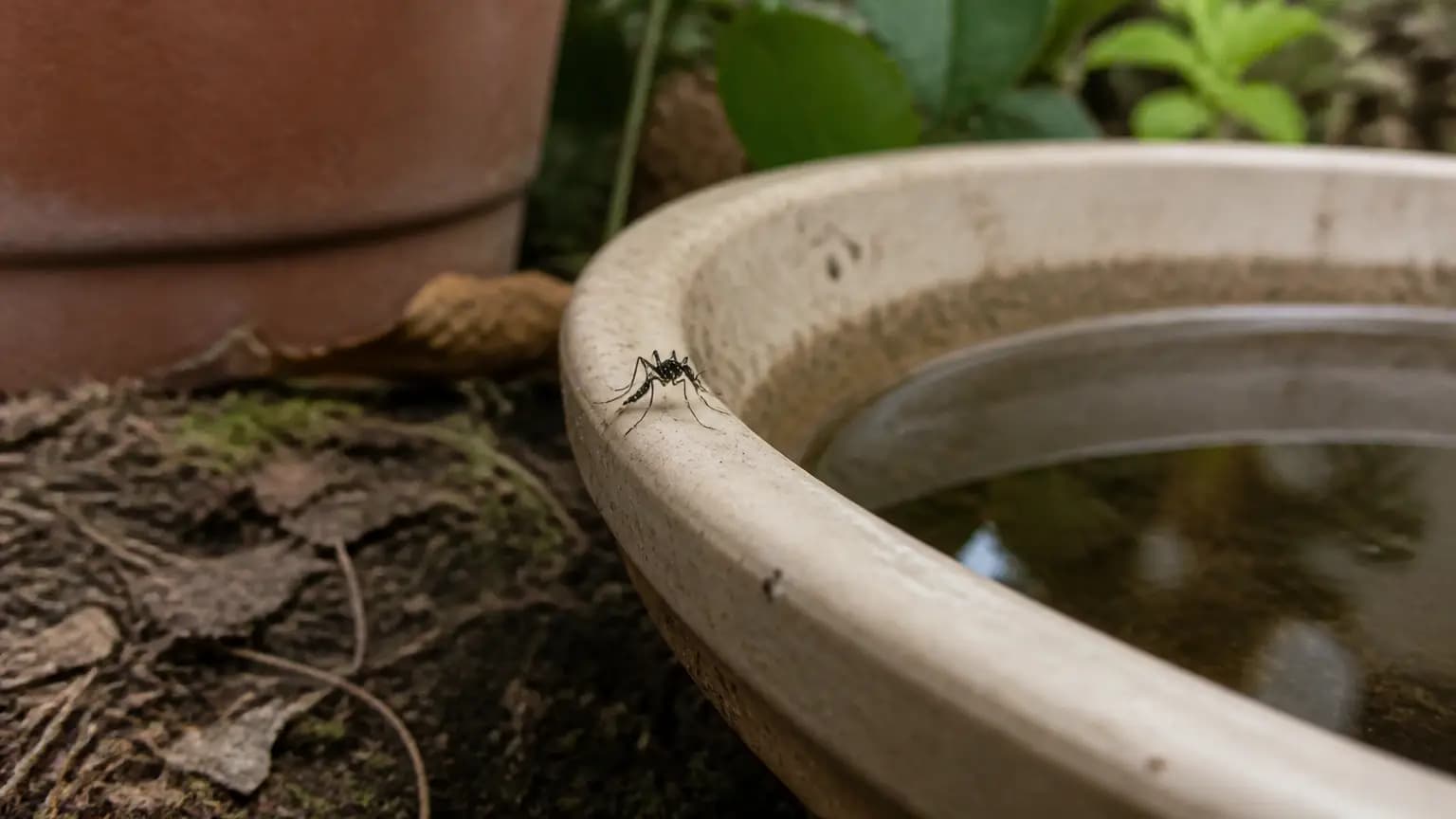
Santa Barbara County health and vector officials are asking residents for help stopping an aggressive, daytime-biting mosquito before it takes permanent hold in the region. The Mosquito and Vector Management District of Santa Barbara County issued an advisory this month after detecting invasive Aedes aegypti mosquitoes — commonly known as "ankle-biters" — near the intersection of North Turnpike Road and Calle Real in the unincorporated area between Santa Barbara and Goleta.
The district collected several adult specimens and larvae from that area on Oct. 16, Noozhawk reported. The detection follows an earlier find in Carpinteria in July, and it marks the second invasive mosquito species now threatening to establish itself in the county.
Unlike native mosquitoes, which typically feed at dawn and dusk, Aedes aegypti bites aggressively during daytime hours, both indoors and outdoors, and shows a strong preference for humans — often attacking around the feet and ankles, which gives the insect its nickname.
Why Officials Say Time Is Short
The stakes, officials say, are whether these mosquitoes can be eliminated while their populations remain small or whether they become a permanent, countywide nuisance.
"When population numbers are low, we still have an opportunity to eliminate these highly bothersome, introduced insects from our neighborhoods," Brian Cabrera, general manager of the Mosquito and Vector Management District, said in the advisory. "By enlisting the public's help, we can ensure these species do not become established in Santa Barbara County."
Aedes aegypti is native to Africa. It was first detected in California in 2013 and has since spread widely across Southern California and the Central Valley. Globally, the species is a known vector for serious viruses including Dengue, Zika, Chikungunya, and yellow fever. Those viruses are not currently circulating in Santa Barbara County, but officials note that Los Angeles County recorded 20 confirmed cases of locally transmitted Dengue in 2024 and 2025 — a sign that local transmission in California, once considered unlikely, is now possible where the mosquito is established.
A Second Invasive Species Already on the Ground
Aedes aegypti isn't alone. The district is also tracking Aedes notoscriptus, the Australian backyard mosquito, first detected in Santa Barbara's West Side neighborhood in March and later in the Mesa neighborhood in June, according to Noozhawk.
Before this year's Carpinteria detection, Aedes aegypti had last been found in Santa Barbara County in 2021, when it apparently failed to gain a foothold. Vector officials are hoping for a repeat outcome — but only if residents act quickly to remove breeding habitat.
In its native Australia, Aedes notoscriptus is the primary carrier of dog heartworm. While a native California mosquito species serves as the main vector for heartworm locally, officials are advising pet owners to confirm their dogs are on preventative medication, which is readily available through veterinarians.
A Bottle Cap Is Enough
What makes both Aedes species so difficult to eradicate is how little they need to breed. The females lay eggs in virtually anything that holds stagnant water — buckets, old tires, birdbaths, pet dishes, potted plant saucers, clogged yard drains, and even water pooled inside plants like bromeliads.
The larvae can complete their development in as little water as fills a single bottle cap, and the eggs are remarkably hardy, able to resist drying out for many months. That means a container that looks empty but was wet last season can still harbor viable eggs waiting for the next rain or a splash from a garden hose.
Both species also tend to stay close to human dwellings, which is why officials say the fight against them will be won or lost in backyards, patios, and driveways — not just in marshes or creeks.
What Residents Can Do
The district is urging all Santa Barbara County residents to take the following steps:
- Dump and scrub: Remove all sources of standing water inside and outside your home, and scrub the sides of containers to destroy eggs clinging to the surface.
- Protect your home: Keep doors closed and make sure window and door screens are in good repair.
- Protect yourself: Wear long sleeves and long pants, and use EPA-approved insect repellent when outdoors, especially during the day.
- Protect your pets: Check with your veterinarian that your dogs are on heartworm prevention.
Reporting Bites Could Stop an Infestation
The district is asking anyone experiencing aggressive mosquito bites — particularly around the feet and ankles during daytime hours — or who notices large collections of standing water in their neighborhood to report it immediately. Reports can be made by phone at 805-969-5050 or through the Contact Us page on the district's website at mvmdistrict.org.
Those reports matter, officials say, because early detections allow technicians to find and treat breeding sites before local populations multiply. The Mosquito and Vector Management District is an independent local government agency funded by taxes and governed by an elected board of trustees.
For now, the window to keep the ankle-biters out of Santa Barbara County is still open. Whether it closes depends, in large part, on how many residents check their yards this week — and dump the water.
Reported by 805.life
Researched and written drawing on primary sources. Additional reporting: Noozhawk.
City
Santa BarbaraAdditional Reporting
NoozhawkPublished
October 20, 2026
Reported and written by 805.life
Explore Santa BarbaraAll Santa Barbara NewsMore News from Santa Barbara
 Santa Barbara
Costume Swap Takes Hidden Horror Out of Halloween
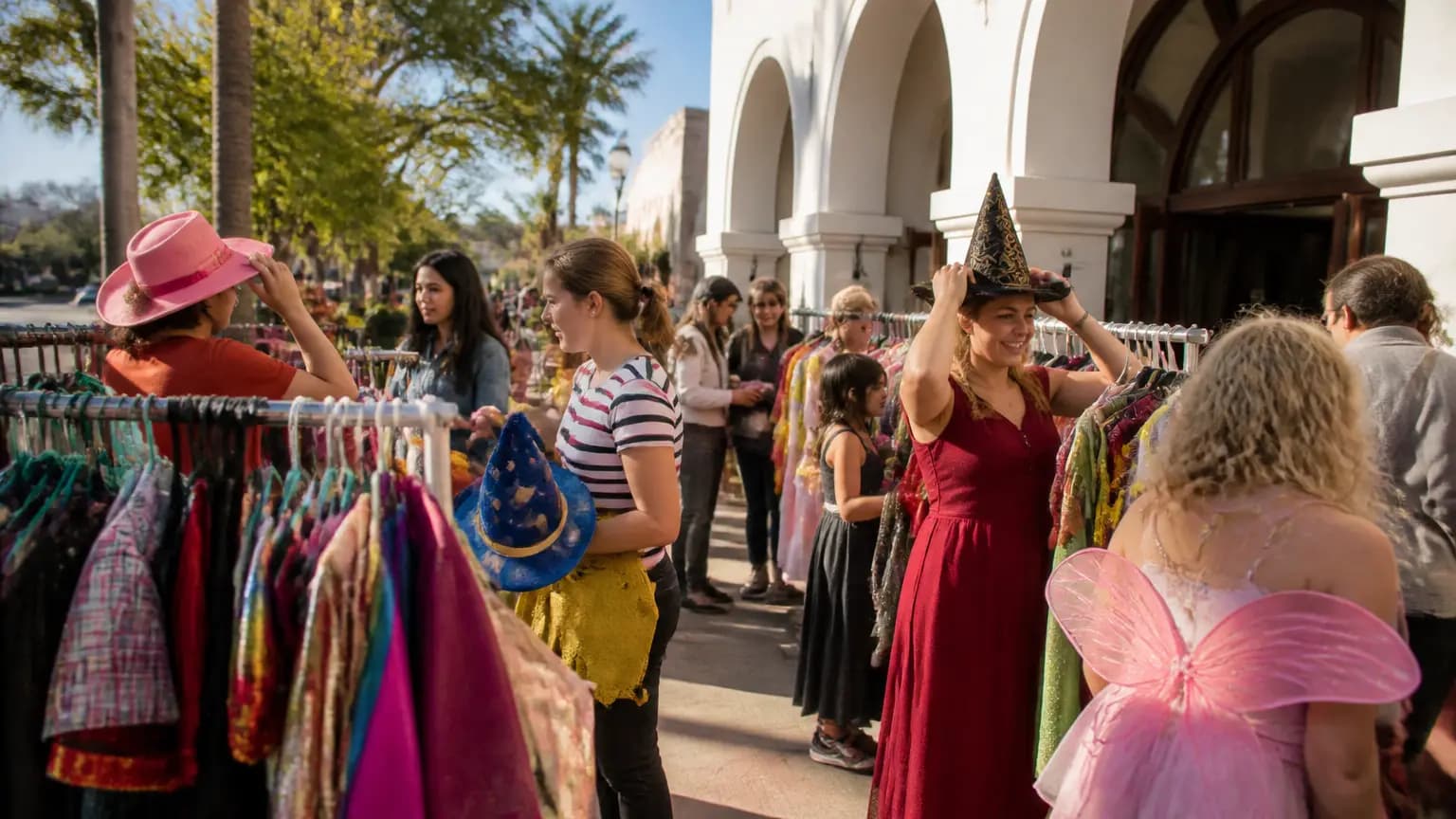
Halloween is supposed to be about spooky fun, not stress over how much a costume costs or where last year's outfit ends up. That's the idea behind The Ultimate Halloween Swap, and Opera Santa Barbara is helping make it easy by serving as a drop-off spot at its State Street office. You bring a costume you're done with, and you can pick up something new-to-you for free. It's a small thing that adds up in a town like ours, where so many of us are trying to be a little more sustainable and a little more budget-conscious at the same time. Instead of another costume gathering dust in a closet, it gets a second life. And honestly, swapping feels very Santa Barbara — neighborly, creative, and a good excuse to wander downtown. As Noozhawk reported, this free swap was founded by sustainable fashion journalist Lexy Silverstein. If you've got a costume to pass along, consider dropping it off and maybe finding your next look while you're at it. It takes some of the hidden horror out of the holiday and puts the fun back where it belongs.
 Santa Barbara
Prescribed Burn in Tepusquet Canyon Planned This Fall
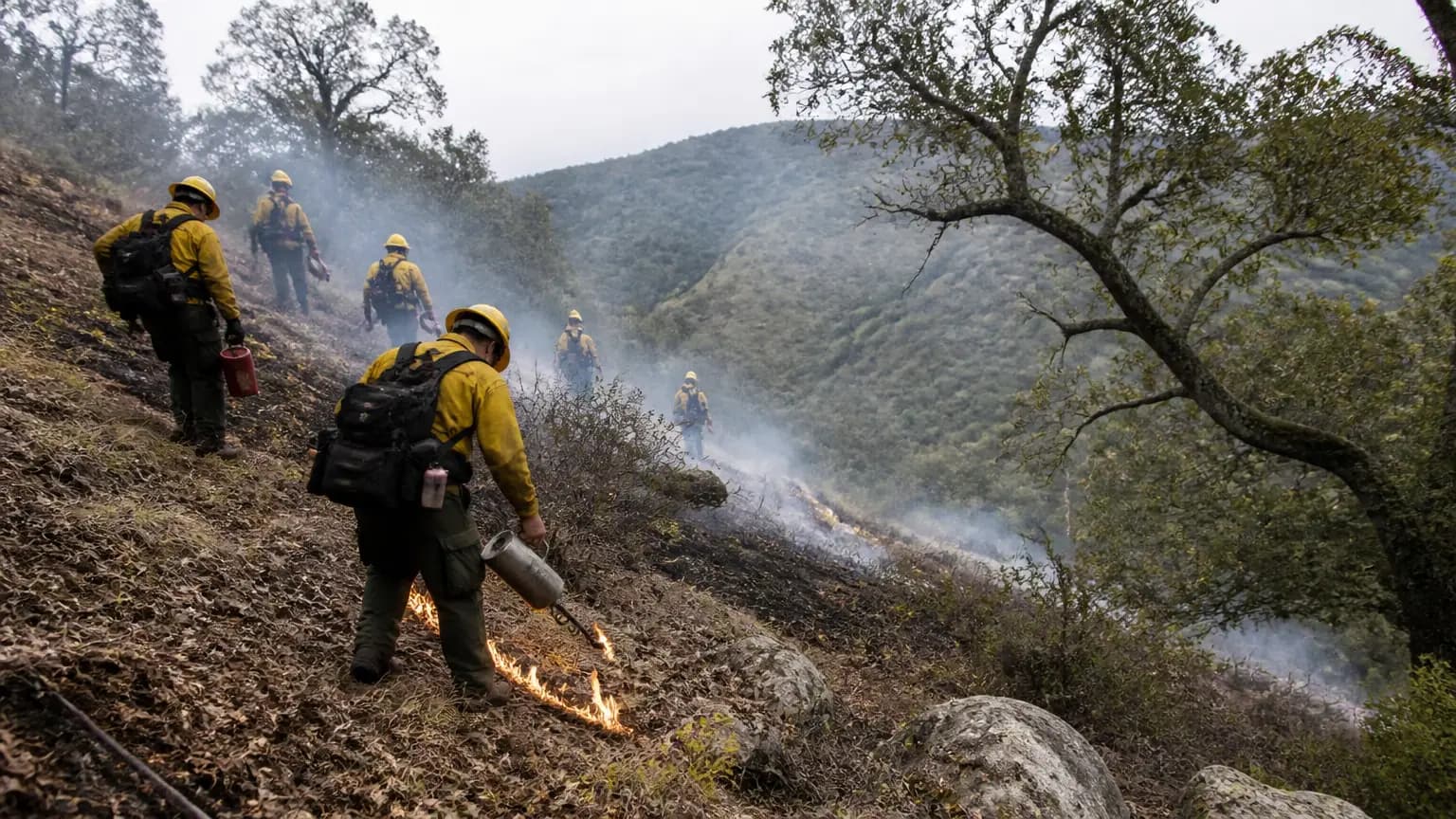
Heads up, neighbors east of Santa Maria — you may see smoke in the Tepusquet Canyon area later this fall, but don't worry, it's on purpose. Santa Barbara County Fire is planning a prescribed burn of about 289 acres of brush and oak understory near Tepusquet Road, likely in late October or early November, over a two-day stretch. As Noozhawk reports, this is all about strategic fuel reduction — the kind of proactive work that helps protect our communities before fire season really bites. If you've lived in the 805 for any length of time, you know how important it is to get ahead of wildfire risk. These controlled burns mimic natural fire cycles and clear out the overgrowth that can turn a small spark into something much worse. The county will likely announce exact dates as conditions allow, so keep an eye out for updates. In the meantime, a little smoke now could mean a lot less danger later — thanks to the crews doing this important work.
 Santa Barbara
UC Santa Barbara Researchers Develop Free Tool to Make Ocean Mapping Easier
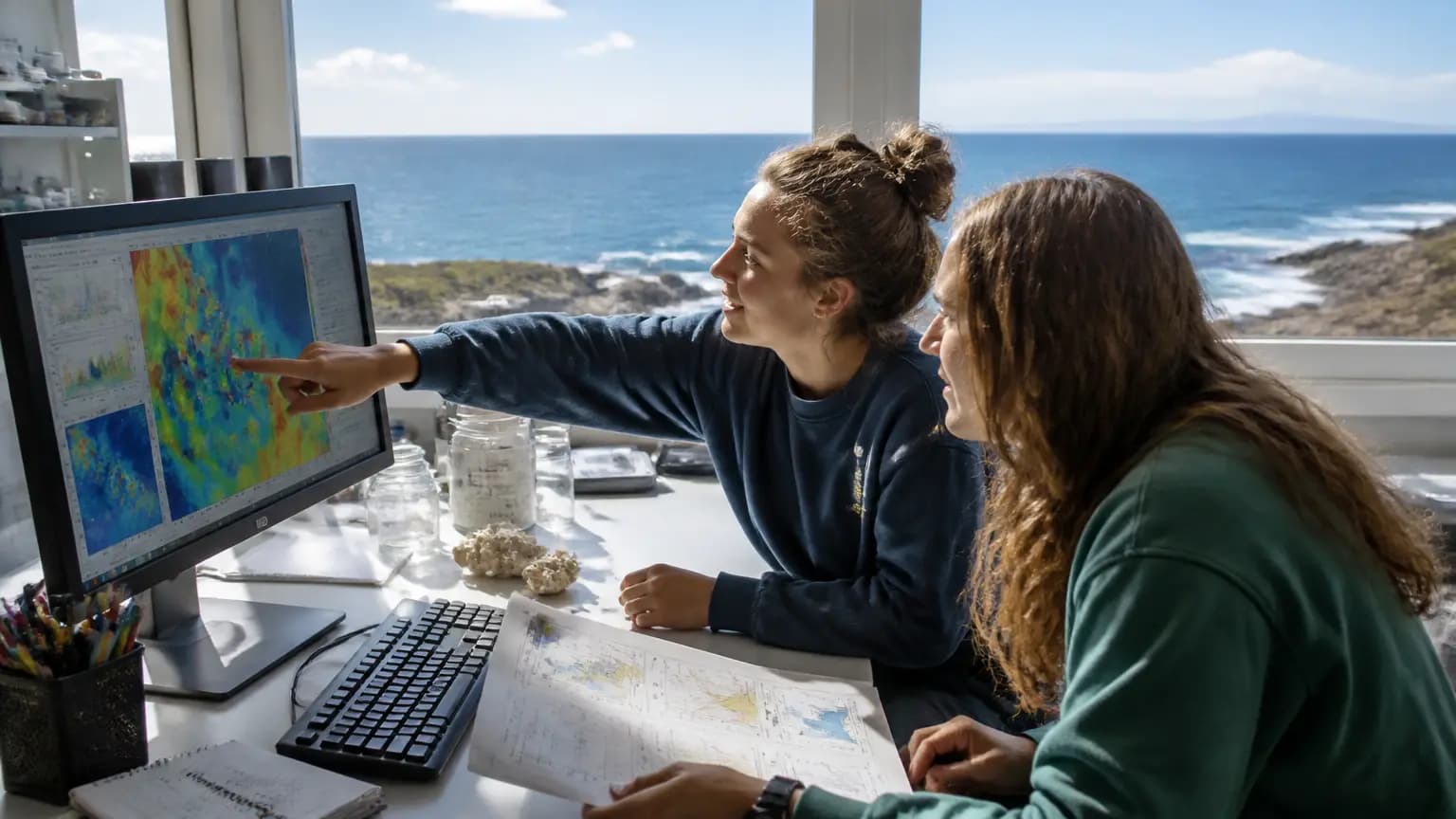
Santa Barbara's ocean is more than a backdrop—it's part of who we are. So when UCSB researchers create something that helps scientists better understand our coastal waters, it's worth paying attention. Their new free tool, Oceandatr, pulls together ocean data from all sorts of sources so researchers can actually find and organize what they need. That means faster science and better-informed decisions about the waters we surf, swim, and fish in. As KEYT News Channel 3-12 reported, the tool is free and designed to make ocean mapping easier. For a community that lives and breathes the Pacific, that's a quiet win. Whether you're a student, a fisherman, or just someone who loves our coastline, better ocean data helps protect the place we call home. It's a nice reminder that some of the most important work happening here doesn't make headlines—but it makes a difference. Big kudos to the Gaucho researchers behind it.