Cannabis tax increase relief comes after summer increase

Cannabis operators in San Luis Obispo County are breathing a cautious sigh of relief this week after the Board of Supervisors voted to reduce the local cannabis business tax back down to 6 percent.
According to the New Times SLO (Atascadero), the board adopted an ordinance on Aug. 4 to lower the Cannabis Business Tax for businesses operating in the unincorporated areas of the county. While the rollback provides a reprieve for an industry facing intense economic headwinds, the relief comes with a catch: the new rate does not take effect until Oct. 1.
That means local cultivators and retail operators will be forced to pay an elevated 8 percent tax rate on transactions through August and September, despite the board's recent intervention. For local businesses and residents watching the evolving cannabis market on the Central Coast, the latest adjustment highlights the friction between voter-approved tax mandates and the realities of a struggling legal market.
The Mechanics of Measure B-18
The August adjustment is the latest chapter in a complex fiscal puzzle originating from the 2018 election. That year, county voters approved Measure B-18, which established the Cannabis Business Tax at 4 percent of gross receipts.
However, the measure included a built-in escalation clause. The tax was designed to automatically increase by 2 percentage points every July beginning in 2020, ultimately capping at a maximum of 10 percent, unless the Board of Supervisors actively intervened to stop the hike.
Justin Cooley, a representative with the county Auditor-Controller-Treasurer-Tax Collector’s Office, reminded supervisors that while they possess the discretion to adjust the rate within that 4-to-10-percent window, permanently altering the automatic escalation structure would require returning to the ballot box for another public vote.
Because the board failed to act before the new fiscal year began on July 1, the tax automatically reset to 8 percent for the 2026-27 year. Supervisors have previously found themselves in a similar holding pattern. After the tax reached 8 percent in the 2022-23 fiscal year, the board manually reduced it to 6 percent. They successfully acted preemptively in June 2024 to freeze the rate at 6 percent for the following year, but missed the deadline this time around.
Budget Impacts and Industry Realities
Missing that deadline created a ripple effect for both local operators and county financial planners. Cooley noted that county staff are explicitly instructed not to assume future board interventions when drafting budgets. As a result, the county had already built its 2026-27 financial framework around the newly triggered 8 percent rate.
Because every 1 percentage point shift in the cannabis tax equates to roughly $100,000 in county revenue, rolling the tax back to 6 percent leaves a $200,000 hole in the newly adopted budget. Fifth District Supervisor Heather Moreno expressed frustration with the timing, noting that the board now has to scramble to pull budgeted money and find ways to fill the resulting gap.
For those operating in the industry, the fight over percentages is about basic survival. Third District Supervisor Dawn Ortiz-Legg emphasized the need for the county to address the tax structure much earlier in the budget cycle. She pointed out that SLO County operators are actively competing against cannabis businesses in neighboring jurisdictions with significantly lower tax burdens.
Currently, the county hosts approximately 22 active business licenses, representing roughly 17 or 18 distinct operators. Justin Carlson, a local cannabis cultivator, argued that this shrinking pool of operators deserves a long-term solution rather than annual temporary fixes. He told the board that the persistent uncertainty makes it incredibly difficult for businesses to plan, invest, hire employees, and make strategic decisions. Carlson urged supervisors to launch a comprehensive review of the county’s overarching cannabis ordinance, arguing that regulations drafted during the early, optimistic days of legalization no longer align with today’s economic realities.
What Comes Next for the 805 Region
As the 805 region continues to navigate the transition from a fledgling to a mature cannabis market, the clash between anticipated tax revenues and market viability remains a central tension.
Fourth District Supervisor Jimmy Paulding acknowledged that the original philosophy underpinning Measure B-18—assuming the legal industry would naturally thrive and easily crowd out the black market—has not panned out as expected. Paulding has since requested that the Auditor-Controller’s Office provide the board with a comprehensive report tracking industry trends ahead of upcoming budget hearings.
For now, local operators must navigate the higher 8 percent tax bracket through the end of September. When October begins, the 6 percent rate will officially go into effect, offering a brief reprieve. However, unless county supervisors take more permanent action to restructure Measure B-18, Atascadero and broader SLO County cannabis businesses will likely face the exact same fiscal cliff next summer.
Reported by 805.life
Researched and written drawing on primary sources. Additional reporting: New Times SLO (Atascadero).
City
AtascaderoAdditional Reporting
New Times SLO (Atascadero)Published
August 13, 2026
Reported and written by 805.life
Explore AtascaderoAll Atascadero NewsMore News from Atascadero
 Atascadero
Autumn Arts Annual 2026
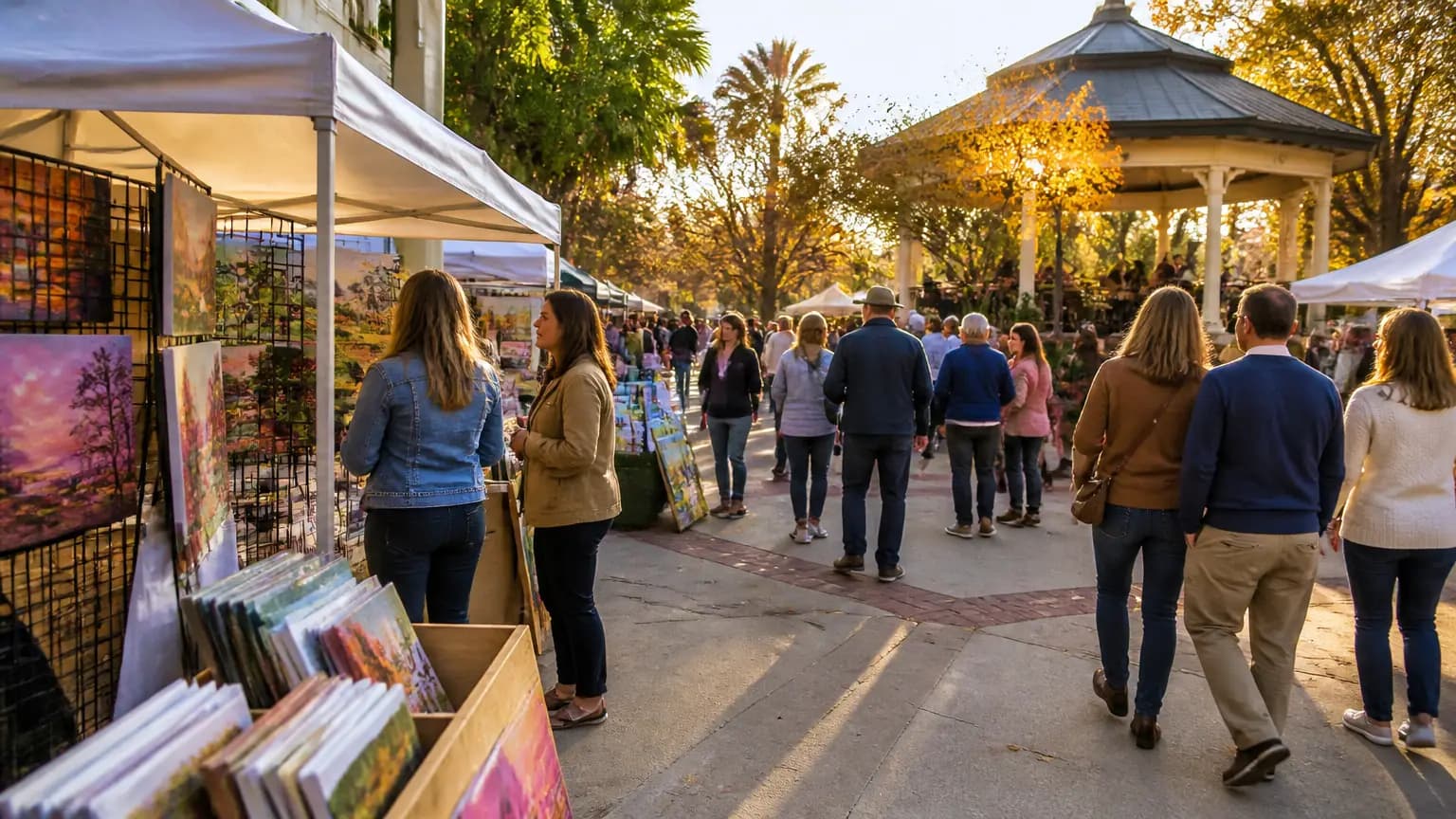
Summer's still lingering here in Atascadero, but the calendar says fall, and New Times SLO (Atascadero) has rolled out its Autumn Arts Annual 2026 to prove it. If you've been waiting for an excuse to get out of the house and into something creative, this is your sign — exhibitions, performances, and all the seasonal happenings landing across the Central Coast. There's something special about autumn around here. The crowds thin out, the light turns golden over the North County, and our local galleries and venues finally get room to breathe. Whether you're a longtime Atascadero arts supporter or just curious about what's happening down the road, this roundup is worth a look. So grab a jacket — eventually — and go support the makers and organizers who keep our corner of the 805 interesting. Full details are over at New Times SLO.
 Atascadero
Atascadero council race draws four candidates for two seats
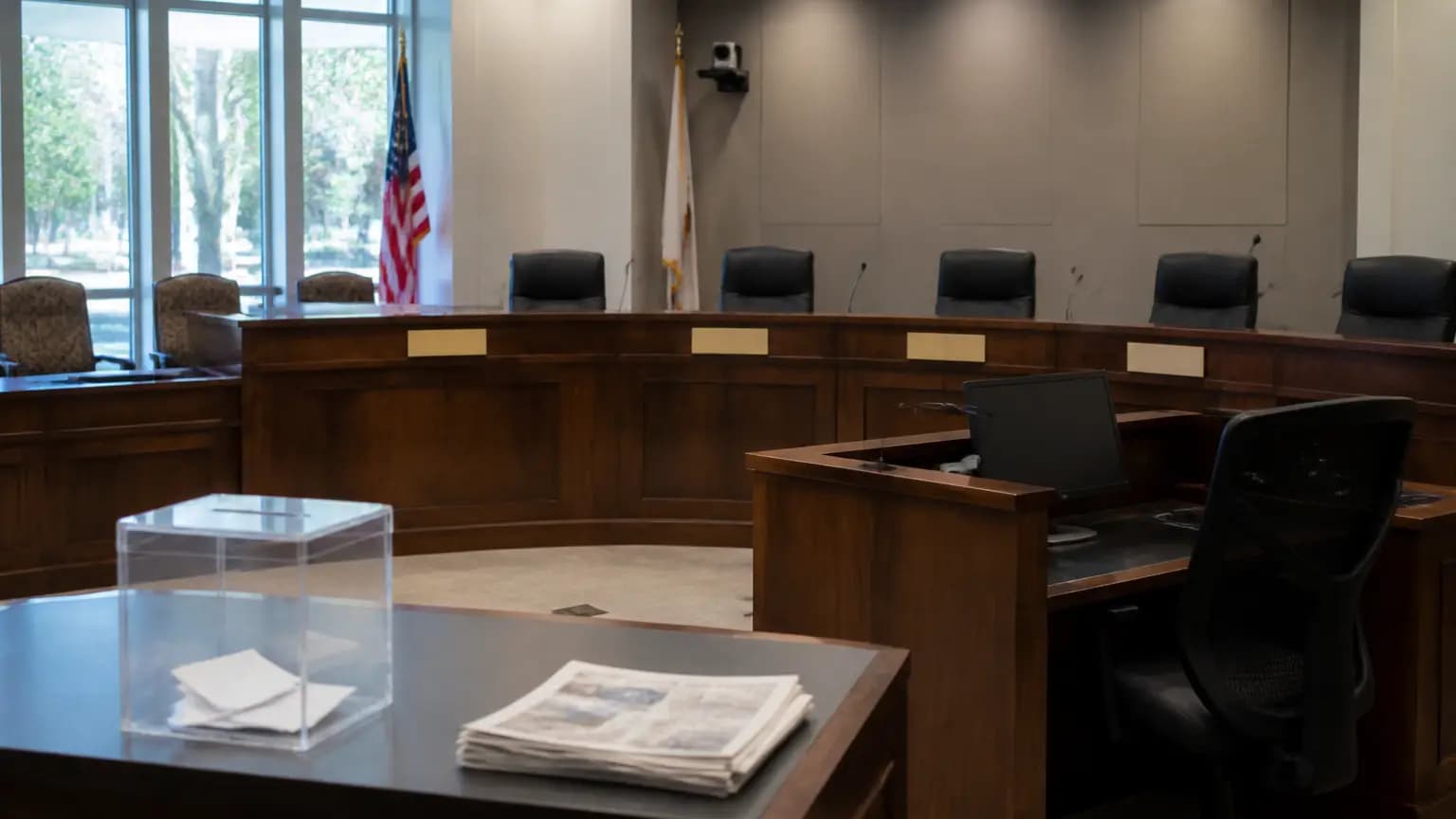
Atascadero folks, we've got a real race on our hands this November. Four candidates — incumbent Susan Funk, Emily Baranek, Mike Avila, and self-described outsider Ian Denchasy — are competing for two seats on the City Council, with Councilmember Heather Newsom stepping away. That's a big shift for a council that's been fairly steady in recent years. Housing and jobs are the headline issues, which won't surprise anyone who's watched rents climb and young families struggle to stay in North County. These are the decisions that shape what gets built, what gets approved, and what our town looks like a decade from now. Meanwhile, Mayor Charles Bourbeau runs unopposed for another two-year term. New Times SLO has the full candidate rundown, so do your homework before ballots arrive. Local elections are where your vote counts the most — this one's worth showing up for.
 Atascadero
SLO City Council refines confidentiality policy for elected officials
Our neighbors in SLO just tightened up the rules on keeping city business confidential, and it's worth a nod from those of us up here in Atascadero. The City Council unanimously adopted a resolution at its Sept. 15 meeting revising its policies and procedures manual, adding two specific guidelines on handling confidential information. This comes after Mayor Erica Stewart shared a confidential SLO County grand jury report—a reminder that even well-meaning officials can slip up. Why does it matter to us? Because transparency and trust in local government aren't just SLO issues. Every city on the Central Coast, including ours, benefits when elected leaders set clear expectations. It's a quiet but meaningful step toward accountability. New Times SLO (Atascadero) reported the story, and it's a good conversation starter for our own council. Small procedural changes can prevent big headaches down the road.