Council candidate roster set
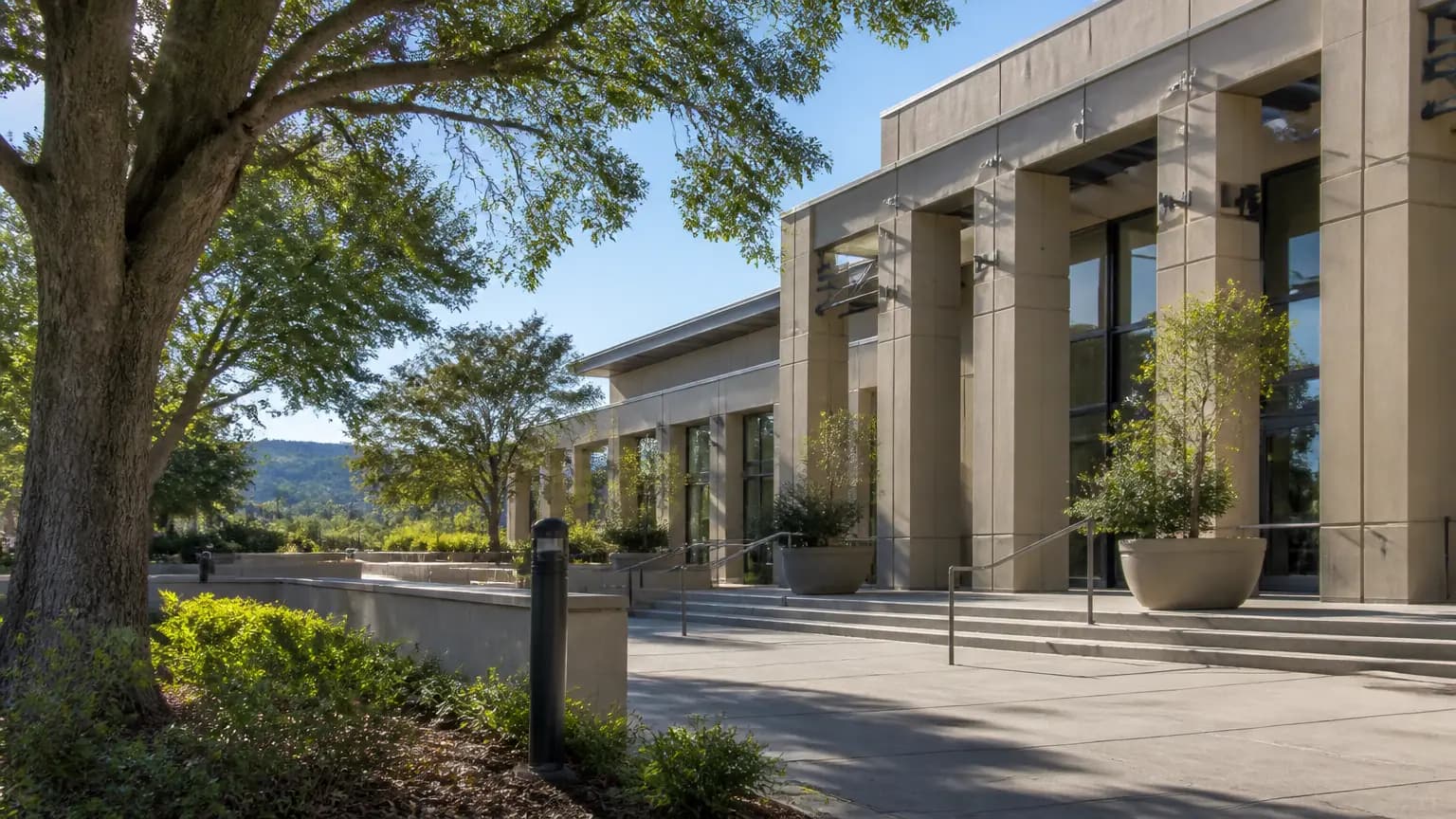
The field is set for the most consequential Thousand Oaks City Council election in a generation. With the nomination window closed, six candidates will compete for three district seats this November — the first time in the city's history that council members will be elected by district rather than citywide vote.
The stakes are local and immediate: who represents your neighborhood, how the ambitious Downtown Project moves forward, and how the city balances growth against the open-space character that has long defined Thousand Oaks.
A first-of-its-kind district election
For decades, every registered voter in Thousand Oaks elected the entire City Council at large. That changed after 2024, when the city transitioned to district-based elections. This November's midterm contest will be the inaugural district election, according to the Thousand Oaks Acorn.
The nomination period for Districts 1 and 3 ran from July 13 to Aug. 7. District 2, where no incumbent filed to run, received an extended deadline of Aug. 12 under state election rules governing open seats.
Three seats are on the ballot — one per district — and each race is now a head-to-head or two-way contest, guaranteeing voters in every district a choice.
District 1: Incumbent faces a first-time candidate
In District 1, which includes the Newbury Park area, first-term Councilmember Mikey Taylor is defending his seat against Karen Arreola, a retired biotech manufacturing executive making her first run for office.
Taylor was elected in 2022 — making him one of the last council members chosen by citywide vote. A Newbury Park High School graduate, he skated professionally, co-founded a craft brewing company later acquired by Molson Coors, and now works as a private equity real estate fund manager. He voted in favor of the recently approved Downtown Project and frames it as delivering on his core priorities: creating a gathering place, protecting quality of life, and giving the next generation a reason to stay.
"I want to be held accountable for really making sure that our quality of life remains top tier," Taylor told the Acorn. "I don't ever want that to fall."
Arreola brings a deep local résumé but no elected experience. A UC Santa Barbara biology graduate who moved to Newbury Park in 1993, she worked in biotech — starting at Amgen and retiring in 2024 as head of manufacturing at Thermo Fisher Scientific. She is positioning herself as an independent voice for residents over what she described as outside interest groups.
Her platform boils down to three words: "protect, plan and prosper." She wants to safeguard open spaces, limit development to what the recent general plan update allows, and find ways the city can help small local businesses thrive. She supports the Downtown Project but wants tougher scrutiny of its parking, traffic and oak tree protections — and a dialogue with residents who remain opposed.
District 2: An open seat draws two newcomers
District 2 — spanning the Rancho Conejo area, neighborhoods around Wildwood Regional Park and California Lutheran University — is the race with no incumbent. Councilmember Bob Engler, who lives in the district, is not seeking reelection, leaving the seat wide open.
Two candidates filed: Gus Gourgus and Kyle Rohrbach.
Gourgus grew up in San Fernando, earned a political science degree from Cal State Northridge and spent more than 20 years in corporate sales management. His civic track record includes serving as chair of the Thousand Oaks Community Funding Review Committee from 2015 to 2018. Today he works as a travel agent and is part-owner and director of the Pickleball Athletic Club, the city's first indoor pickleball club.
"At the end of the day, this is a job interview," Gourgus said. "And the people of Thousand Oaks need to feel comfortable with the people that they hire." His top priorities are public safety and maintaining strong relationships between the city and its police and fire departments, followed by the Downtown Project and fiscal discipline.
Rohrbach offers a contrasting profile. A Thousand Oaks native, he earned a BFA in film and television production from NYU's Tisch School of the Arts and has worked in independent film, television and digital media since returning to California in 2009. He serves on the TOArts board of directors and on the city's Community Funding Review Committee. His campaign centers on housing affordability, improving public transportation including Dial-A-Ride, and expanding arts and culture as an economic engine. Both District 2 candidates support the Downtown Project.
District 3: Newman defends his seat
District 3, covering central and eastern Thousand Oaks including the Oakbrook and Sunset Hills neighborhoods, features Councilmember David Newman facing challenger Victor Hayek.
Newman, a 24-year city resident, holds degrees from Johns Hopkins University and NYU and ran a computer network engineering consultancy from 1999 to 2017 before serving on the council.
What comes next
For residents, the November ballot represents a civic reset. For the first time, Thousand Oaks voters will choose a representative whose constituency is their own district — a structural change designed to bring council representation closer to neighborhoods, particularly in areas like Newbury Park and Rancho Conejo that some residents felt were underrepresented under at-large voting.
With all six candidates having staked out positions on the Downtown Project — all either supportive or conditionally supportive — the election's sharpest contrasts are likely to emerge over development pace, fiscal priorities and public safety in the candidate forums ahead of the Nov. 3 midterm election.
Reported by 805.life
Researched and written drawing on primary sources. Additional reporting: Thousand Oaks Acorn.
City
Thousand OaksAdditional Reporting
Thousand Oaks AcornPublished
August 27, 2026
Reported and written by 805.life
Explore Thousand OaksAll Thousand Oaks NewsMore News from Thousand Oaks
 Thousand Oaks
Congressional forum puts key issues in the spotlight
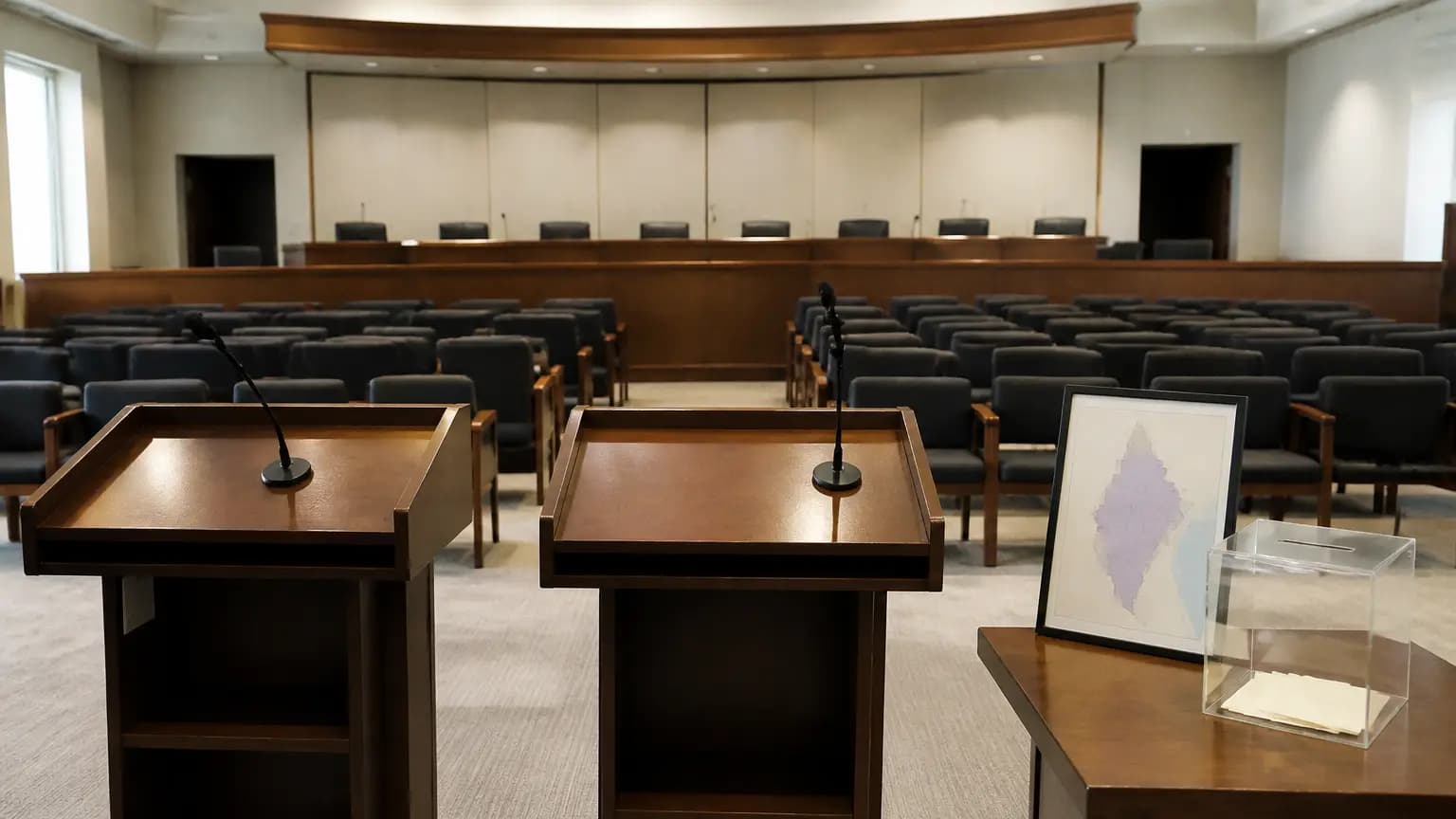
Neighbors, if you couldn't make it out to Moorpark on Sept. 25, the race for our 26th Congressional District seat just got a lot more interesting. Republican Sam Gallucci and Democratic Assemblymember Jacqui Irwin went head-to-head on immigration, gun laws, transgender rights and the war with Iran — and by all accounts, the exchanges got sharp. The Thousand Oaks Acorn has the full rundown, and it's worth a read before your ballot arrives. This is the seat that represents Thousand Oaks and much of our corner of Ventura County, so the person who wins in November will be making calls on the issues we talk about at the dinner table. Debates like this are our best chance to see candidates without the campaign ads filtering everything. Mark your calendars, check your voter registration, and take 10 minutes with the Acorn's coverage. Local races are where your vote carries the most weight.
 Thousand Oaks
Has the door closed on affordable living?
If you've been trying to buy or rent in Thousand Oaks lately, you already know the math isn't working. Our region's population is barely growing and households are getting smaller, yet prices and rents keep climbing out of reach for young families, longtime older residents, and the workers who keep our shops, schools and restaurants running. That tension was front and center at a Sept. 30 housing forum, where Agoura Hills' mayor joined the conversation about how we actually house our neighbors. The Thousand Oaks Acorn reports it's a challenge with no easy answer — but it's one worth talking about honestly, because it shapes who gets to stay in the 805. Whether you're a renter, a homeowner, or somewhere in between, this affects all of us. Worth a read, and worth showing up for the next conversation.
 Thousand Oaks
How a Payment System Learns Who Gets Paid
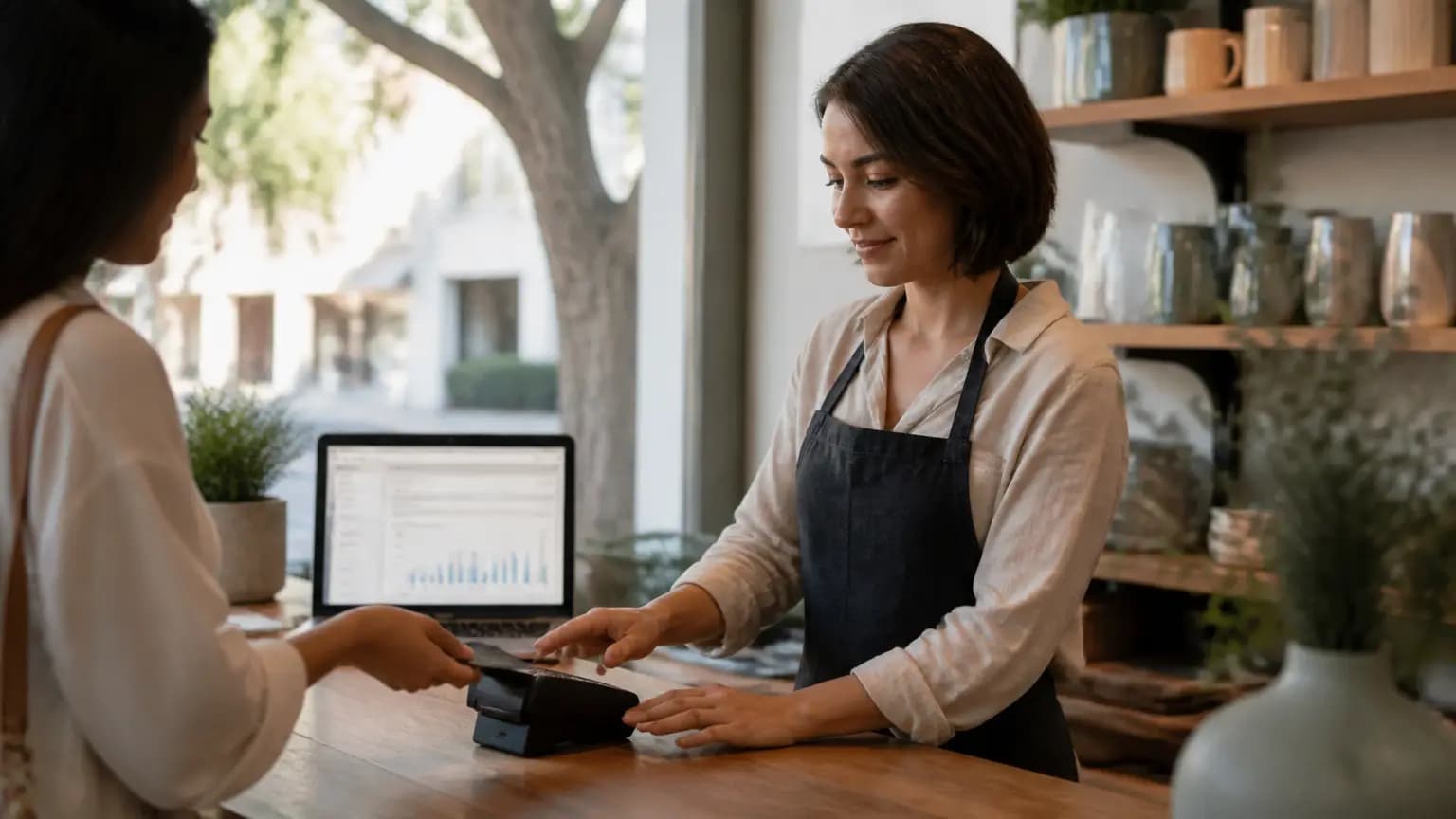
If you've ever sent money through an app and wondered how it actually finds the right person, a recent piece in the Thousand Oaks Acorn digs into exactly that. Turns out a payment system has to answer questions a simple price check never does: who gets paid, which customer they belong to, and which record gets updated when the money lands. It's the unglamorous plumbing behind every transaction. Here in Thousand Oaks, plenty of us run small businesses, side gigs, or freelance work that depends on digital payments arriving where they should. The article is a good reminder that the tech we tap on our phones rests on careful record-keeping, not just market prices. Worth a read if you're curious how the money actually moves. What do you think — do you trust the apps you use to route your payments correctly?