County and nonprofit apply for more money for health campus on old Sunny Acres land
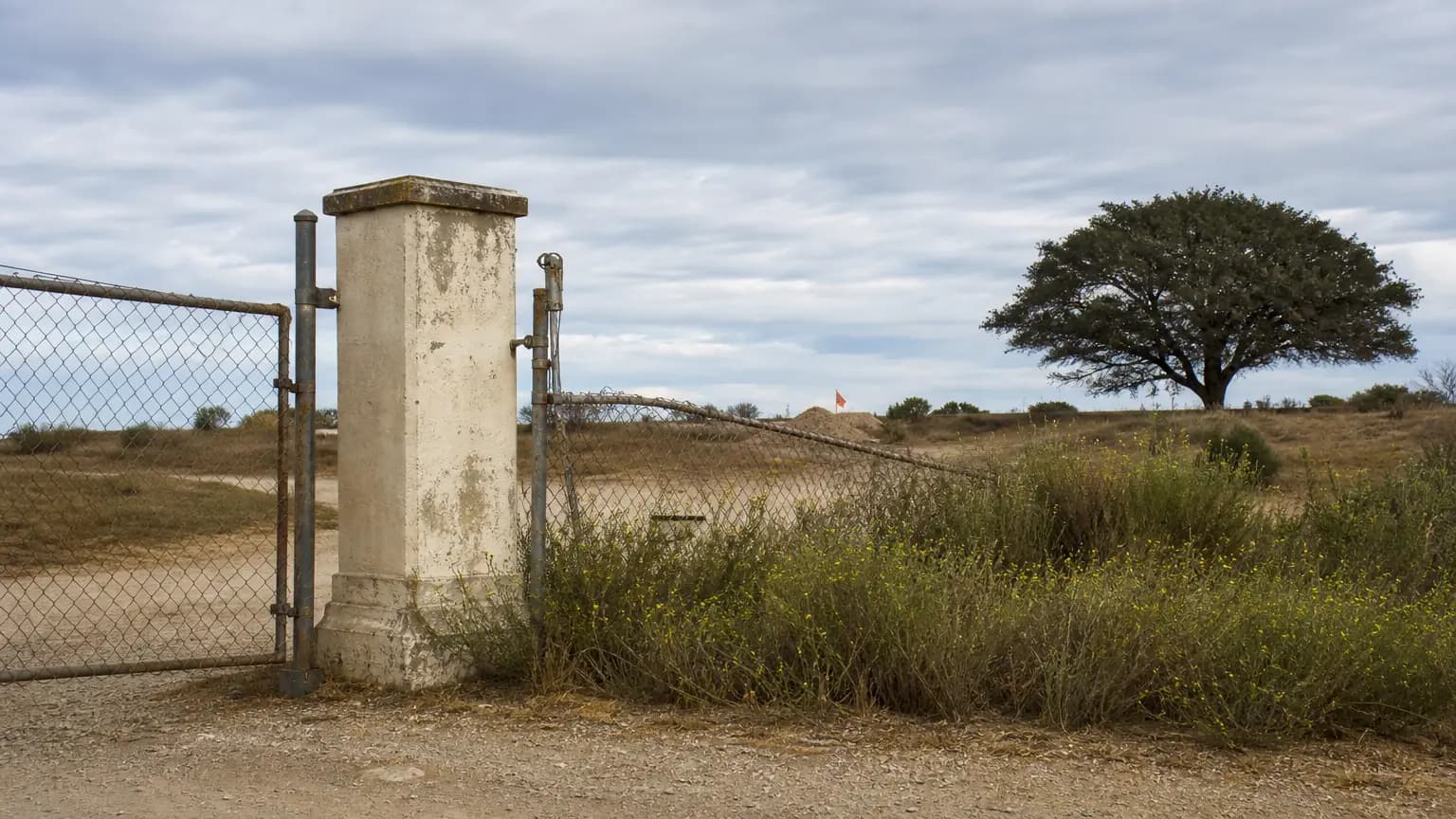
San Luis Obispo County and nonprofit Restorative Partners are making another run at state grant money to transform the old Sunny Acres property into a healing campus — this time asking for $10 million and sweetening the proposal with dedicated housing for veterans.
The move, which touches one of the Central Coast's most storied and troubled properties, signals a new phase in an effort that has tested the patience of everyone involved, from nonprofit administrators to property receivers carrying a six-figure monthly loan.
A Bigger Ask, A Veteran Housing Commitment
At the SLO County Board of Supervisors meeting on July 7, supervisors adopted a revised resolution approving submission of an amended application to the state's Homekey+ program — raising the requested amount from $7 million to $10 million, according to New Times SLO.
The key new ingredient: six of the proposed 34 permanent supportive housing units will be reserved for veterans. That commitment matters because the state updated its Homekey+ grant guidelines in March, and starting August 7, all applications will be prioritized based on their inclusion of veteran-designated units, according to George Solis, Principal Administrative Manager with the county's Homeless Services Division.
Solis explained to New Times why the dollar figure jumped: the increase reflects "market-tested construction pricing, prevailing wage requirements, historic rehabilitation needs, infrastructure improvements, and occupied site logistics." In short, the reality of building costs in 2026 demanded a higher number than what was penciled in when the original application went in last year.
Restorative Partners founder Theresa Harpin acknowledged to supervisors that the road to this point has not been smooth. "HCD, our state grantor, though working with them has been tedious, time-consuming, but timeless in learning curve," she said at the July 7 meeting. Despite past delays, Solis said he remains optimistic that the California Department of Housing and Community Development (HCD) will ultimately award the grant.
What Changed in the Homekey+ Rules
Homekey+ is the permanent supportive housing component of the Behavioral Health Services Act embedded in Proposition 1, which California voters passed in the March 2024 primary election. The program draws from a $2.2 billion pool of funding, with approximately $1.033 billion specifically set aside for veteran-serving projects, according to the California Department of Housing and Community Development.
The March guideline amendments that Solis referenced made the program more accessible and more rewarding for veteran-focused projects. According to county staff, HCD and the California Department of Veterans Affairs (CalVet) updated guidelines to boost use of under-requested funds dedicated to veterans. Solis described the changes: the state increased the amount projects can receive for construction and rehabilitation, reduced the required local matching funds from counties and nonprofit partners, and broadened eligibility so that older or previously funded buildings can now qualify. The amendments also add "specific incentives for projects that dedicate units for veterans, including higher allowable capital costs and additional operating support."
For the SLO County and Restorative Partners application, that window opened at exactly the right moment — and the team moved quickly to align their amended application with the new priorities before the August 7 deadline when veteran-unit inclusion becomes a hard prioritization factor.
From Code Violations to Healing Campus: The Sunny Acres Story
The site at the center of this effort carries significant local history. Sunny Acres, a 72-acre property on Los Osos Valley Road, operated for more than two decades as a sober living facility under founder Dan DeVaul — a labor-intensive, harm-reduction model that drew both community loyalty and protracted legal battles with San Luis Obispo County over code violations and living conditions. In April 2022, the county sued DeVaul over conditions at the property. By 2023, the California Receivership Group had been appointed by a court to bring the property up to code.
DeVaul passed away on March 6, 2026, at the age of 82, according to multiple local reports. His vision of providing housing and second chances to people society overlooks lives on in the campus that Restorative Partners hopes to build in his wake.
A SLO Superior Court order confirmed the sale of the property to Restorative Partners for $2.9 million in mid-December 2024. The California Receivership Group borrowed a $1.7 million bank loan against the property to fix code violations — a loan that has remained outstanding through the lengthy grant process, costing roughly $16,000 per month in interest, according to earlier New Times reporting.
The Renovation Plan
The physical heart of the project is the property's iconic 8,000-square-foot boarding-style "horseshoe" building. Under the plan, its 14 large bedrooms would be converted into 34 smaller, private housing units — one household per unit — providing permanent supportive housing rather than the dormitory-style arrangement that characterized the DeVaul era.
Renovations would include electrical and plumbing upgrades, ADA improvements, installation of fire sprinklers, and exterior repairs, New Times reported. The Homekey+ program requires all permanent supportive housing projects to carry a 55-year affordability term, meaning units would remain affordable housing for decades to come.
Homekey+ is not the only funding stream supporting the campus. A separate $4.4 million operating grant from the California Board of State and Community Corrections would fund reentry programming and supportive services — a natural fit for Restorative Partners, an SLO-based nonprofit whose mission centers on serving justice-involved individuals and those transitioning out of incarceration.
What Comes Next for Residents
The amended application is now under review. Restorative Partners emphasized that community impact remains the focus: "While the application is still under review, our focus remains on developing a project that will provide long-term housing stability and supportive services for those who need them most," the nonprofit said in a statement to New Times.
For North County and Atascadero residents, the project's outcome carries regional significance. SLO County has grappled with rising homelessness across the 805, and a new healing campus providing 34 units of permanent supportive housing — backed by reentry services — would represent a meaningful addition to the county's housing infrastructure.
HCD reviews Homekey+ applications on a rolling basis. With the August 7 veteran-unit prioritization deadline approaching, the amended submission puts the county and Restorative Partners in a stronger competitive position than their original $7 million application. County officials and Restorative Partners will be watching closely for HCD's response in the months ahead.
Reported by 805.life
Researched and written drawing on primary sources. Additional reporting: New Times SLO (Atascadero).
City
AtascaderoAdditional Reporting
New Times SLO (Atascadero)Published
July 16, 2026
Reported and written by 805.life
Explore AtascaderoAll Atascadero NewsMore News from Atascadero
 Atascadero
Measure A-26 would solve nothing for Grove Beach
Grover Beach neighbors, have you been following the buzz around Measure A-26? Our friends at New Times SLO (Atascadero) ran a sharp piece arguing the measure was born from frustration rather than good governance — turning what's traditionally a professional staff role, the city clerk, into an elected position. The bar to run? Be 18, live in Grover Beach, and be a registered voter. That's it. No certification, no municipal experience required. For a job that touches public records, meeting minutes, and election integrity, that's worth a raised eyebrow. Here on the Central Coast we value plain-spoken, practical government. Whether you're in Atascadero or Grover Beach, the question is the same: does this actually fix anything, or just reshuffle the deck? Worth a read before you vote.
 Atascadero
Caribbean Love in SLO specializes in scalp health and styles for natural hair
If you've got natural hair and you've ever driven to the Bay Area or down to LA just to find someone who truly knows how to care for it, you already understand why Norma Pauline Humes matters. Her spot, Caribbean Love in SLO, has become a genuine destination for scalp health and natural-hair styling — so much so that one client flew in all the way from Connecticut just to sit in her chair. That's not just a nice compliment. It's a reminder that here on the Central Coast, certain services are still surprisingly hard to find, and the people who provide them quietly hold our community together. New Times SLO (Atascadero) highlighted her work, and it's worth celebrating. If you've been searching for someone who gets your texture, your routine, and your scalp, this is a name to know. Support the local businesses that make the 805 feel like home.
 Atascadero
Digger is an excessive and gloomy look at climate change
Neighbors, have you caught wind of the new movie "Digger"? Our friends at New Times SLO (Atascadero) ran a piece on it, and it sounds like a heavy one. Alejandro Iñárritu, who made The Revenant and Babel, directs Tom Cruise as a loudmouth oil tycoon whose company sparks a world-threatening disaster in Greenland. It's billed as a black comedy satire, but the review calls it excessive and gloomy. Now, I know what you're thinking — what does a Hollywood climate satire have to do with us here in Atascadero? Honestly, not a whole lot on the surface. But with our own drought years, wildfire seasons, and the way the Central Coast lives close to the land, stories about environmental recklessness can hit a little closer than we'd like. If you're into big, uncomfortable, think-y films, it might be worth a look. If you'd rather keep things light on a Friday night, maybe skip it and take a walk along the Salinas River instead.