DNA Testing Leads to Arrest in 1990 Oxnard Cold Case
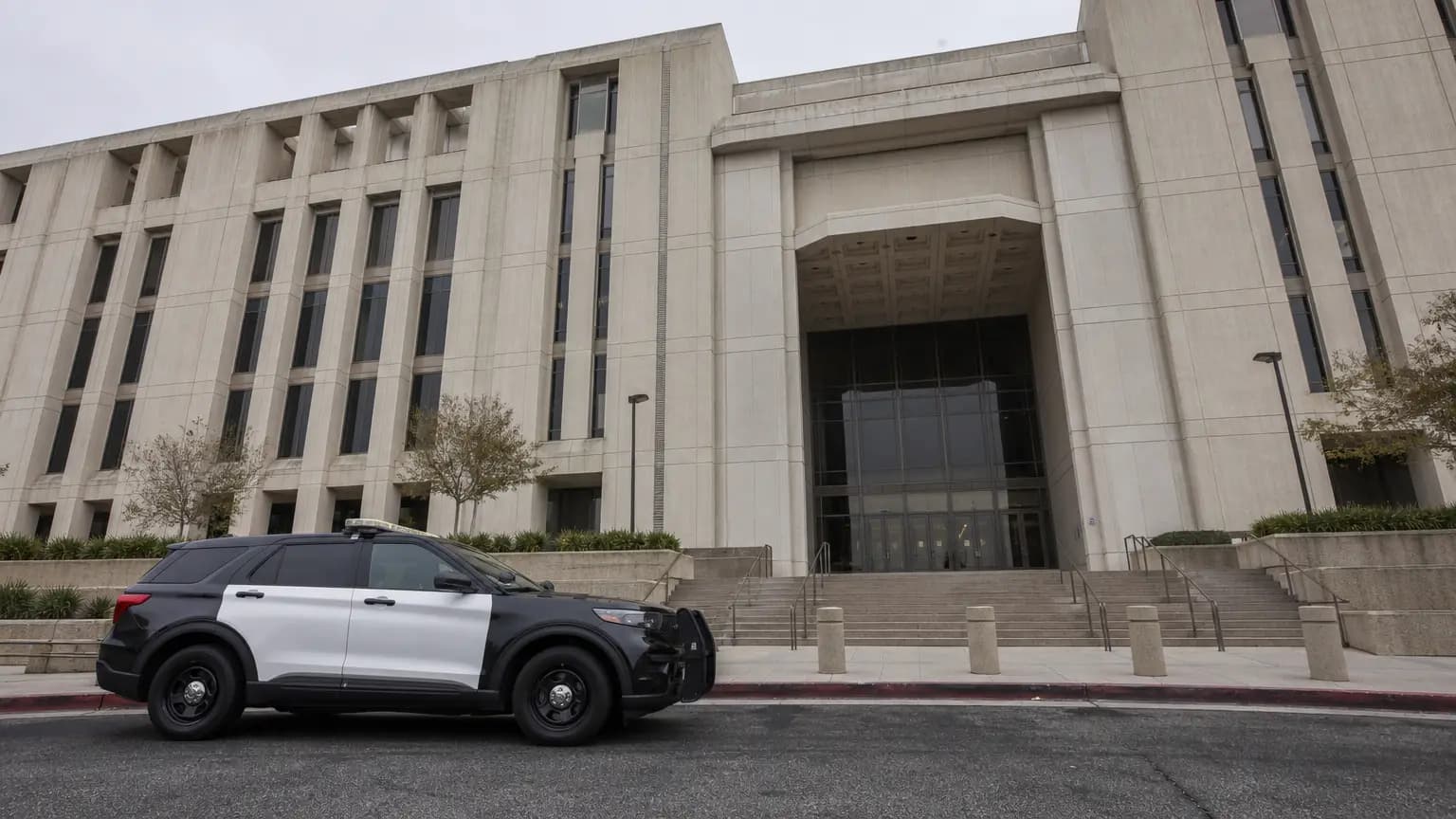
Thirty-six years after an 18-year-old woman was abducted at gunpoint from a parking lot in Oxnard, a Long Beach man has been arrested and charged — a breakthrough made possible by a federally funded DNA initiative that is quietly reshaping how Ventura County pursues its oldest unsolved crimes.
Ventura County District Attorney Erik Nasarenko, Ventura County Sheriff Jim Fryhoff, and Oxnard Police Department Assistant Chief Rocky Marquez jointly announced the arrest on June 11, 2026. The case, reported by Vida Newspaper and confirmed by the official Ventura County DA press release, underscores both the power of modern forensic science and the institutional resolve required to keep decades-old evidence intact.
The Crime and the Long Wait
On June 11, 1990, the teenage victim was parked in a lot at the end of Perkins Road in Oxnard when Bobby Rollins Jr. and an unidentified accomplice approached her vehicle. At gunpoint, she was pulled from her car, robbed of her property, and forced down an embankment, where she was allegedly sexually assaulted by Rollins, according to the DA's office. Following the assault, she managed to return to her car and flee — only to crash into a light pole about a half mile away, at the intersection of Perkins Road and Hueneme Road. Witnesses helped her until Oxnard police officers arrived.
Evidence was collected that night in 1990, but the forensic technology then available could not produce a usable suspect profile. KCLU reported that forensic scientists at the time could examine only six or seven locations on the DNA genome — far too few to make a reliable identification. The case went cold, and the victim waited more than three decades with no answer.
Rollins had family members in Ventura County at the time of the 1990 crime, according to KCLU.
How DNA Technology Cracked the Case
The turning point came through the Ventura County Sexual Assault Kit Initiative (VCSAKI), a federally backed program that has systematically re-examined the county's backlog of untested evidence. In December 2021, the Ventura County Sheriff's Office Forensic Services Bureau received a $2.5 million grant from the U.S. Department of Justice's Bureau of Justice Assistance to begin testing previously untested sexual assault kits. A second round of $2.5 million in federal SAKI funding followed in fiscal year 2023, expanding the program to all seven local law enforcement agencies in the county and funding additional forensic staff.
The old kit from the 1990 Oxnard case was among those re-examined. Sheriff Fryhoff explained the process in detail: the Forensic Services Bureau submitted the sample to Bode Technology, a private lab specializing in advanced DNA analysis. Analysts developed a male DNA profile and the county's crime lab uploaded it to CODIS — the FBI's Combined DNA Index System — where it generated a match to Bobby Rollins Jr.
The technological leap that made this possible is significant. Christina Tokatlian, a forensic scientist with the Ventura County Sheriff's Office who worked on the case, told KCLU that modern methods can now examine 23 locations on the DNA genome, compared to the six or seven available in 1990 — yielding far more discriminatory information for identifying individuals.
"Because evidence was carefully maintained for more than 30 years, it was still available when new DNA technology became capable of providing answers that simply weren't possible in 1990," Sheriff Fryhoff said in the official announcement.
The Arrest and Charges
DA investigators, with assistance from the Long Beach Police Department, arrested Rollins without incident in Long Beach on June 10, 2026. He was charged with kidnapping with intent to commit robbery. Prosecutors further allege he personally used a firearm during the crime, that the crime involved great violence, and that the victim was particularly vulnerable at the time — all aggravating factors under California law. According to the DA's press release, Rollins was scheduled for arraignment on June 12, 2026, in Ventura County Superior Court, with prosecutors seeking to hold him without bail. He faces a possible maximum sentence of life in state prison if convicted, according to the DA's office.
Because of the statute of limitations, Rollins cannot face charges directly tied to the sexual assault — a painful legal reality that DA Nasarenko acknowledged. "More than three decades after this violent kidnapping, advances in DNA technology and the determination of investigators have led to the arrest of Rollins and justice on behalf of a victim who never forgot what happened to her," Nasarenko said.
Senior Deputy District Attorney Emily Reber, a member of the DA's dedicated Sexual Assault Kit Initiative Unit, is prosecuting the case. Reber has spoken previously about the emotional weight of this work. "It's extremely rewarding to be able to go and meet with a victim and tell them, after 20 years, sometimes older than I am, that we've been able to solve this case," she told KEYT.
Investigation Still Active — More Victims May Exist
The arrest does not close the full investigation. Authorities say a second suspect who accompanied Rollins during the 1990 attack has still not been identified, and are actively seeking the public's help. More troubling still, investigators believe Rollins may have committed similar crimes between 1989 and 1992. Anyone with information about this case or other possible crimes Rollins may have committed is urged to contact Ventura County District Attorney Investigator Yumi Kirk at (805) 477-1638.
A Broader Reckoning for Cold Cases Across Ventura County
The Rollins arrest is one piece of a much larger effort unfolding across the 805. VCSAKI has now tested more than 2,000 sexual assault kits, and investigators have closed 125 cases and notified 21 victims that their cases were solved due to advances in DNA testing. More than 800 kits from the original inventory still await testing.
Detectives see the Rollins case as a signal of what may yet come. Investigators are hoping this will be one of the first instances of using DNA advances to solve a backlog of cold case sexual assaults in Ventura County, though the county is still awaiting word on whether additional federal funding will be available to sustain the program.
For Oxnard residents, the case is a reminder of both an unresolved chapter in the city's history and a present-day commitment: that evidence carefully stored decades ago can, with the right tools and the right funding, still deliver accountability — even after 36 years.
Reported by 805.life
Researched and written drawing on primary sources. Additional reporting: Vida Newspaper.
City
OxnardAdditional Reporting
Vida NewspaperPublished
June 18, 2026
Reported and written by 805.life
Explore OxnardAll Oxnard NewsMore News from Oxnard
 Oxnard
Oxnard to change the name of Cesar Chavez Street
Big change for folks who've been calling that stretch of road Cesar Chavez Drive for years — Oxnard's city council voted unanimously on Sept. 15 to rename it Campesina Place. Mayor Luis A. McArthur was absent for the vote, and the resolution sets aside up to $250 to reimburse residents and businesses affected by the switch. The name Campesina — roughly 'farmworker woman' — feels like a nod to the same agricultural roots the old name honored, just from a different angle. For longtime Oxnard families, street names aren't just addresses; they're part of how we give directions, tell stories, and remember who we are. Worth noting: Vida Newspaper reported this, and the details are still developing. If your mail, signage, or business is on that street, keep an eye out for city guidance on the reimbursement process. What do you think of the new name? Let us know.
 Oxnard
VCTC receives 2026 SDRMA Excellence in Safety Award
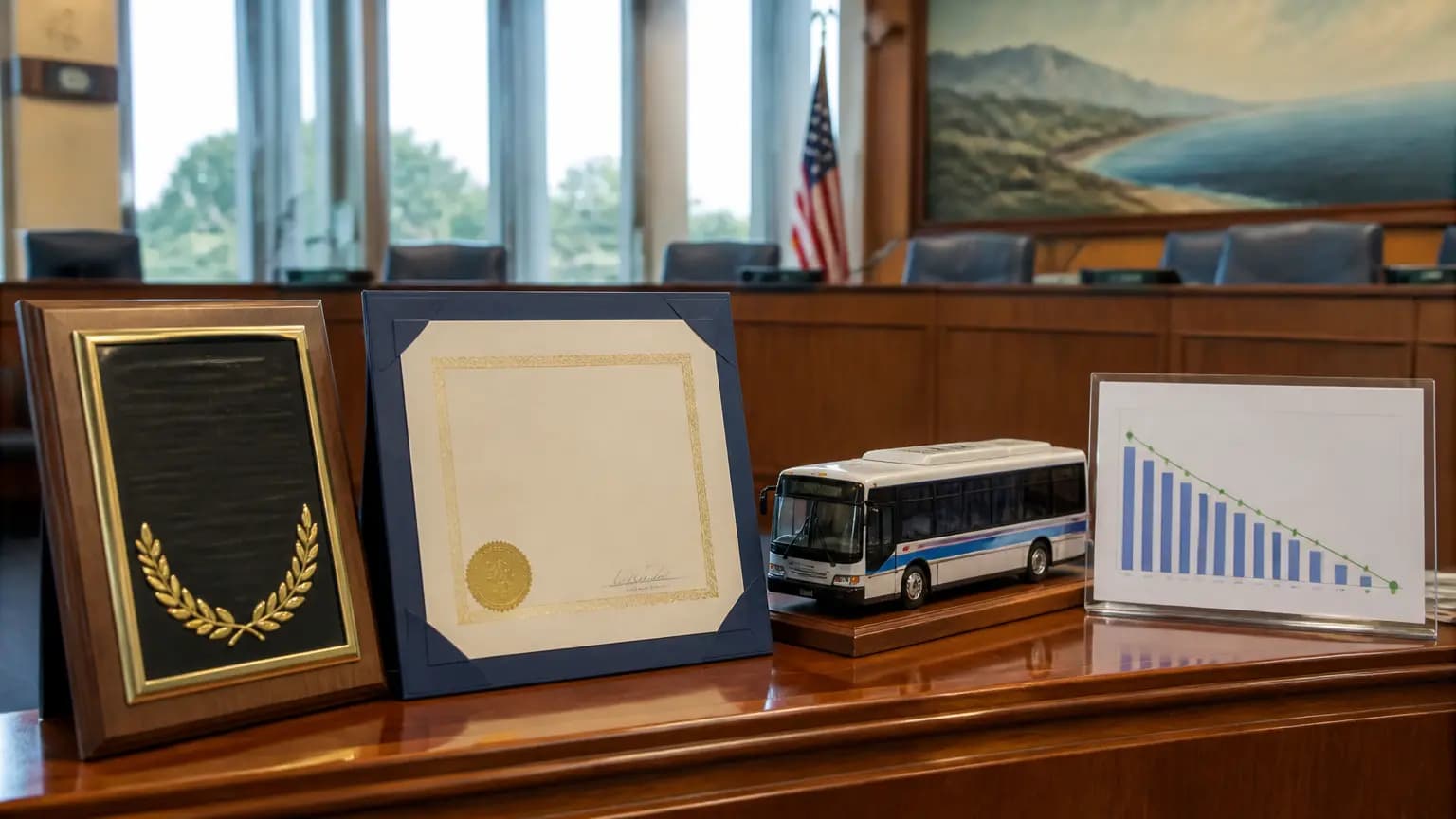
Some good news worth celebrating from our neighbors at the Ventura County Transportation Commission — they just picked up the 2026 Excellence in Safety Award from SDRMA, the agency that handles risk management for special districts across California. Why should Oxnard care? VCTC keeps our buses rolling and our transportation projects moving, and this award reflects five straight years with zero paid claims. That's not just a plaque for a shelf — it means taxpayer dollars are staying in service, not going toward lawsuits and losses. With so many of us relying on VCTC routes to get to work, school, and around the 805, a strong safety record is a quiet win for every rider and driver on our roads. The recognition was reported by Vida Newspaper, and it's a nice reminder that steady, unglamorous work behind the scenes keeps our corner of the Central Coast moving. Congrats to the VCTC team.
 Oxnard
City of Oxnard to Host “Prep in the Park” Event to Help Families with Disaster and El Niño Storm Preparedness Efforts
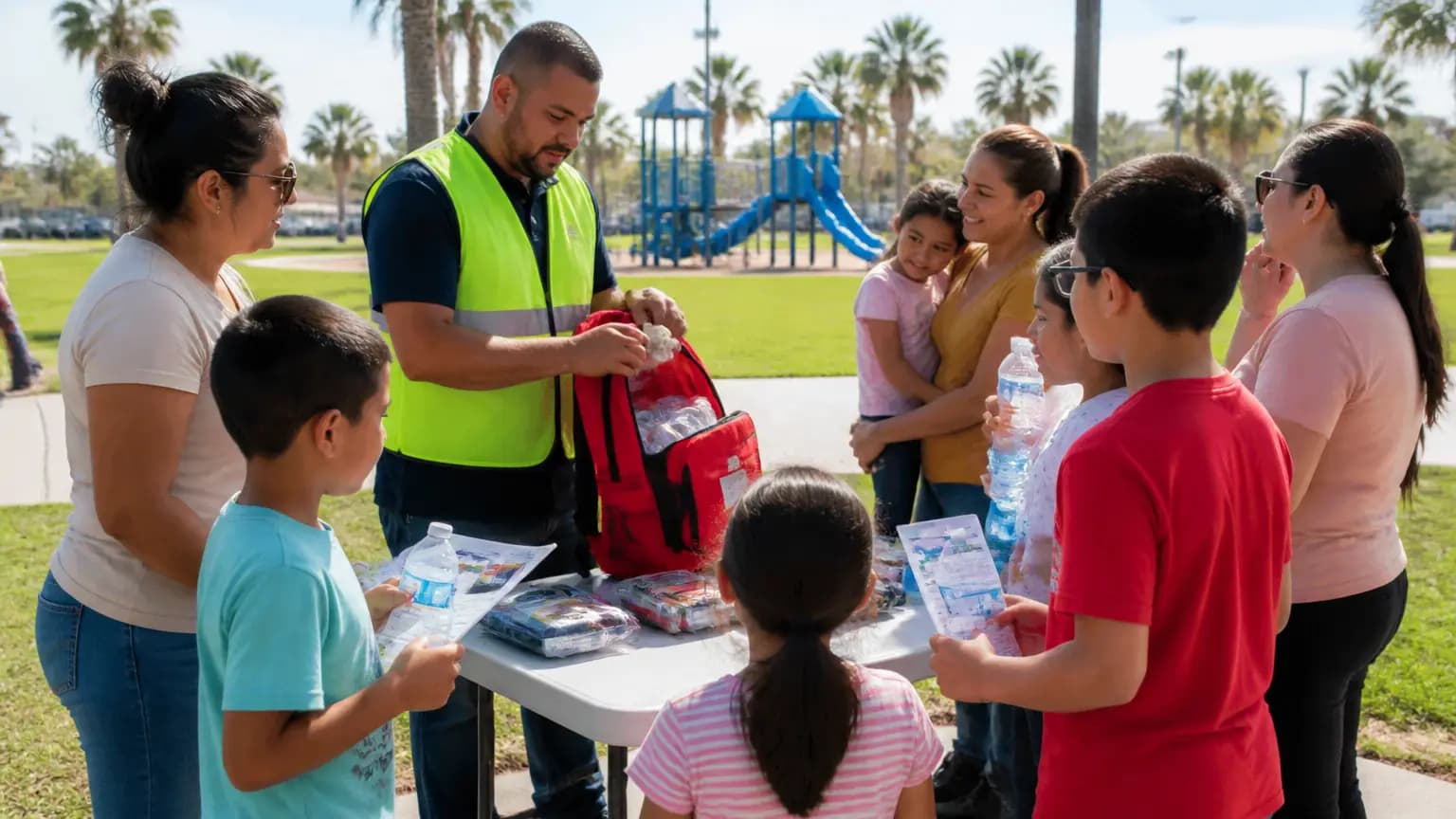
Oxnard neighbors, mark your calendars — the city is bringing emergency prep straight to College Park on Saturday, September 26, from 11 a.m. to 4 p.m. with "Prep in the Park." It's free, it's family-friendly, and it's hands-on, which matters more than ever as forecasters keep talking about El Niño conditions and the kind of winter storms that can flood streets and knock out power here on the coast. Instead of a dry lecture, you'll get demonstrations and giveaways that make getting ready feel doable — the little things like go-bags, water storage, and a family plan that actually get used when the wind and rain hit. Vida Newspaper flagged this one, and we're glad they did: in a city as spread out as Oxnard, knowing your neighbors and your resources is half the battle. So pack the kids, swing by 3250 S. Rose Ave., and leave a little more prepared than you came. It's the kind of low-key Saturday that could pay off big when the next storm rolls in.