Keep Goleta Country?
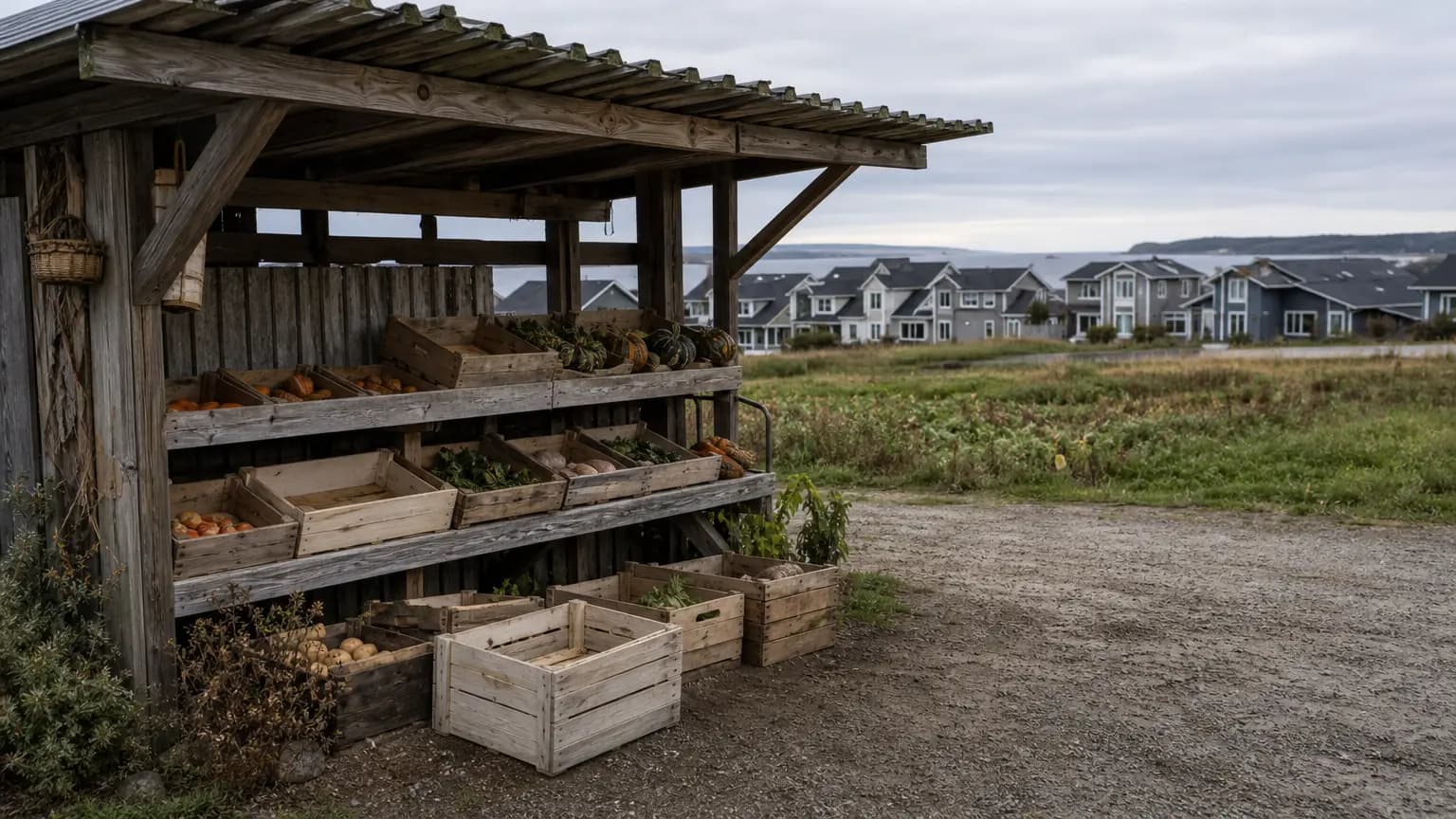
There is a bumper sticker you'll still spot around Goleta that says it all: Keep Goleta Country. It is a small act of civic longing — a wish that the cul-de-sacs and tech campuses and fast-food corridors that now define much of the Goleta Valley had not swallowed what came before. When locals affix that sticker to their cars, they are thinking, at least in part, about one place: Fairview Gardens.
Situated on 12 acres at 598 N. Fairview Avenue, the farm sits improbably at the center of modern suburbia, hemmed by single-family homes, a school district office, a library, and the low drone of Highway 101. A red-shouldered hawk hunts from the trees. Dragonflies cruise through stands of yarrow. Green tufts of asparagus push up near a thin waterway while coyotes roam the perimeter at night. The place feels, to anyone who has stood in its middle, like a portal to what the Goleta Valley once was.
But Fairview Gardens isn't just a postcard from the past. It is a nonprofit farm with bills to pay, permits to obtain, neighbors to satisfy, and a city planning apparatus to navigate. And right now, the farm is stuck — waiting, yet again, for a critical approval that would let it grow food and teach children and sell eggs at a roadside stand once more.
125 Years on the Same Soil
The property's roots run deeper than most people know. According to the Santa Barbara Independent, the land now occupied by Fairview Gardens was once part of the largest Chumash settlement on the Central Coast. In the 1870s, Albert G. Hollister purchased 480 acres above what is now Hollister Avenue, and the farmhouse he built on the property in 1895 still stands — in need of restoration, but standing. Local legend holds that Hollister's wife looked out from the new home, gazed across the valley toward the Pacific, and declared, "What a fair view!" The name stuck.
Over the following century, as the Independent and Equity Trust both document, the Goleta Valley became one of California's most productive agricultural corridors — vast orchards of lemons, avocados, and walnuts, farms churning out vegetables and livestock. Fairview's acreage shrank through successive ownership but never stopped producing food. Following World War II, housing and new roads consumed neighboring farms one by one. By the 1970s, Fairview Gardens had become an increasingly rare remnant: an island of tended earth surrounded on three sides by single-family homes.
Then, in 1981, a young photographer-turned-farmer named Michael Ableman arrived. Wikipedia describes Ableman as "one of the pioneers of the organic farming and urban agriculture movements," and his tenure at Fairview is the stuff of local legend. During his roughly 20 years running the farm, Ableman grew 100 varieties of fruits and vegetables, ran cooking classes with professional chefs, welcomed thousands of schoolchildren for educational tours, and built one of the first community-supported agriculture (CSA) programs in California — eventually feeding more than 500 families, according to the Independent's companion history piece *The Little Goleta Farm That Could*. In 1997, the nonprofit he founded — the Center for Urban Agriculture at Fairview Gardens — purchased the property for $750,000 from the Chapman family, securing it in perpetuity under an agricultural conservation easement held by the Land Trust for Santa Barbara County. The easement mandates that the land remain a working organic farm forever.
The Long Fallow
Ableman eventually left Goleta to pursue farming work elsewhere, and the farm carried on through a revolving door of directors and managers. The 2008 recession hit hard. Revenue continued to fall. The COVID-19 pandemic delivered the final blow. After 125 years of continuous operation, Fairview Gardens shut down in 2022, done in by the economic pressures that so often doom small-scale American agriculture.
The closure was not total erasure — the land is protected, and a skeleton crew kept watch — but the fields went fallow. A landscaper pulled weeds once a week. The farmhouse weathered quietly on its small rise. For a community that had grown up picking strawberries and attending summer camps on that land, it was a genuine loss.
The Land Trust for Santa Barbara County notes that since fall 2022, the farm has been working to redesign its operations, transition to regenerative agriculture, and develop new children's programming. And the board made a significant move: they called Ableman back. Now serving as founder and interim executive director, he has returned to Goleta to lead what the farm hopes will be its most durable chapter yet.
His reappearance has been a source of genuine hope. While the fields were still waiting for approval, Noozhawk reported in June 2026 that 150 fruit and nut trees and 8,000 asparagus seedlings had already been planted — a quiet, optimistic act of faith in a future that bureaucracy has not yet greenlighted.
What the Farm Wants — and What Neighbors Fear
The revival plan is ambitious and detailed. The Center for Urban Agriculture has submitted a Conditional Use Permit (CUP) to the City of Goleta that encompasses nearly every dimension of a working farm's life. According to the City of Goleta's project page, the proposal includes nine new residential units for farm employees — eight two-bedroom dwellings in the northeastern portion of the site and one unit within the historic farmhouse — along with a renovated farmhouse that would house a teaching kitchen, café space, and offices. A new 2,500-square-foot farm stand along Fairview Avenue is planned, along with a 6,500-square-foot multi-functional service barn. Youth and adult programs, farm-to-table dinners, and fundraising events are all part of the package.
The Land Trust for Santa Barbara County has confirmed the project is consistent with the conservation easement. Goleta's Historic Preservation Commission unanimously endorsed the farmhouse renovation in April 2026. The Design Review Board voted unanimously in support in June, according to Noozhawk. Every public body that has reviewed the proposal so far has said yes.
And yet the Planning Commission — the body with final authority over the CUP — sent the proposal back to the drawing board at its July 14, 2026 hearing, as the Santa Barbara Independent reported. The sticking points are telling: how many events, how loud, how many animals, how late into the evening.
Neighbors who showed up to the hearing were not opposed to the farm's return. Daniel Huthsing, who lives on an adjacent cul-de-sac and grew up on nearby Patterson Avenue, told the Independent he cares deeply about the farm's revival. "I bought a house next to a farm," he said. "I knew what I was getting into." But he didn't anticipate the possibility of amplified sound carrying across his patio on summer evenings — even a single banjo and a handheld amplifier, he said, was enough to drive his family inside. He and fellow neighbors have welcomed the farm's concessions so far and hope remaining sticking points around scheduling and decibel levels can be resolved before the CUP is finalized. At least one neighbor, however, has reportedly hired an attorney.
Commissioner Jennifer Fullerton captured the meeting's peculiar tension: "I know it must be a little frustrating, but I think every single person that spoke here supports the farm. I think it's close."
City Hall vs. the Cover Crops
There is something almost comic, and also dispiriting, about a city that spent decades paving over its farms now struggling to figure out how to accommodate the one that survived. The Independent reported a telling anecdote: a Goleta official recently asked the farm to remove a stretch of "raggedy weeds" visible from the road and suggested planting pumpkins instead. The official was informed that the weeds were cover crops — plants grown deliberately to protect soil health and prevent erosion — and that pumpkins were not in season.
That small exchange captures a larger challenge Fairview Gardens has always faced: the difficulty of helping a suburban community understand that a working farm is not a theme park, that it is messy and seasonal and alive in ways that don't always conform to neighborhood aesthetics. Ableman has spent his career making exactly that argument. His 1998 book On Good Land, published by Chronicle Books, documented an earlier version of the same fight — neighbors taking the farm to court over crowing roosters, developers maneuvering to rezone the rich topsoil for houses. He won that round. The land is protected. But protection of the land and permission to farm it, it turns out, are different things.
What Comes Next
Fairview Gardens is not giving up. The farm's conservation easement requires that the land remain a working organic farm — inaction is not an option, legally or spiritually. Ableman has made clear he intends to see the CUP through. The asparagus seedlings are already in the ground. The asparagus doesn't care about the permit.
For Santa Barbara County residents who grew up visiting Fairview Gardens — who remember the summer camps, the strawberry fields, the taste of something grown a mile from where they sat — the current delay is a source of frustration that goes beyond any individual permit. Fairview Gardens represents something the 805 region has been losing for decades: the idea that cities and farms can coexist, that not everything has to be paved, that "Keep Goleta Country" can be more than a bumper sticker.
The farm's rich soil lies bare for now. But the hawks are still circling, the asparagus is pushing upward, and Michael Ableman — who has been farming this valley for more than 50 years — is not done yet.
Reported by 805.life
Researched and written drawing on primary sources. Additional reporting: Santa Barbara Independent.
City
Santa BarbaraAdditional Reporting
Santa Barbara IndependentPublished
July 15, 2026
Reported and written by 805.life
Explore Santa BarbaraAll Santa Barbara NewsMore News from Santa Barbara
 Santa Barbara
Great California ShakeOut: Cal OES Shares Earthquake Safety Tips for Central Coast Residents
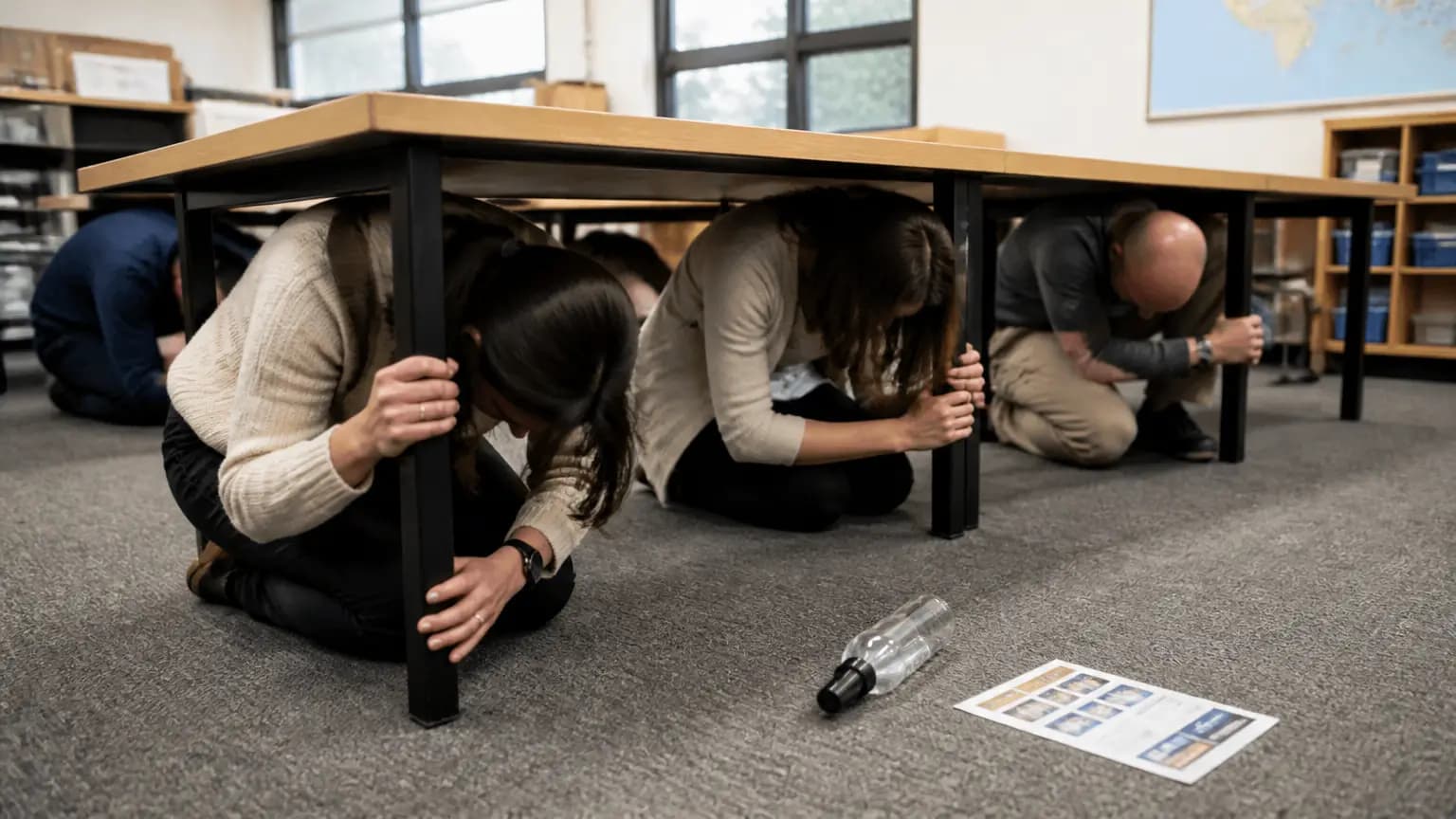
Santa Barbara folks, Thursday is the Great California ShakeOut, and Cal OES is using it to remind us of a few things we might have learned wrong the first time. Forget the doorway — that old advice is outdated. Drop, cover, and hold on under a sturdy table is still the move, and if you're near the coast when the shaking stops, don't wait for an official warning before heading to higher ground. Here in the 805, we live with the reality of the fault lines under our feet and the ocean at our doorstep, so this drill isn't just a box to check. KEYT News Channel 3-12 shared the tips, and they're worth a minute of your time before Thursday. Talk with your family about where you'd meet and how you'd get to higher ground — because in a real quake, those few seconds of muscle memory matter.
 Santa Barbara
GauchoFest Invites Community to Campus for Day of Celebration
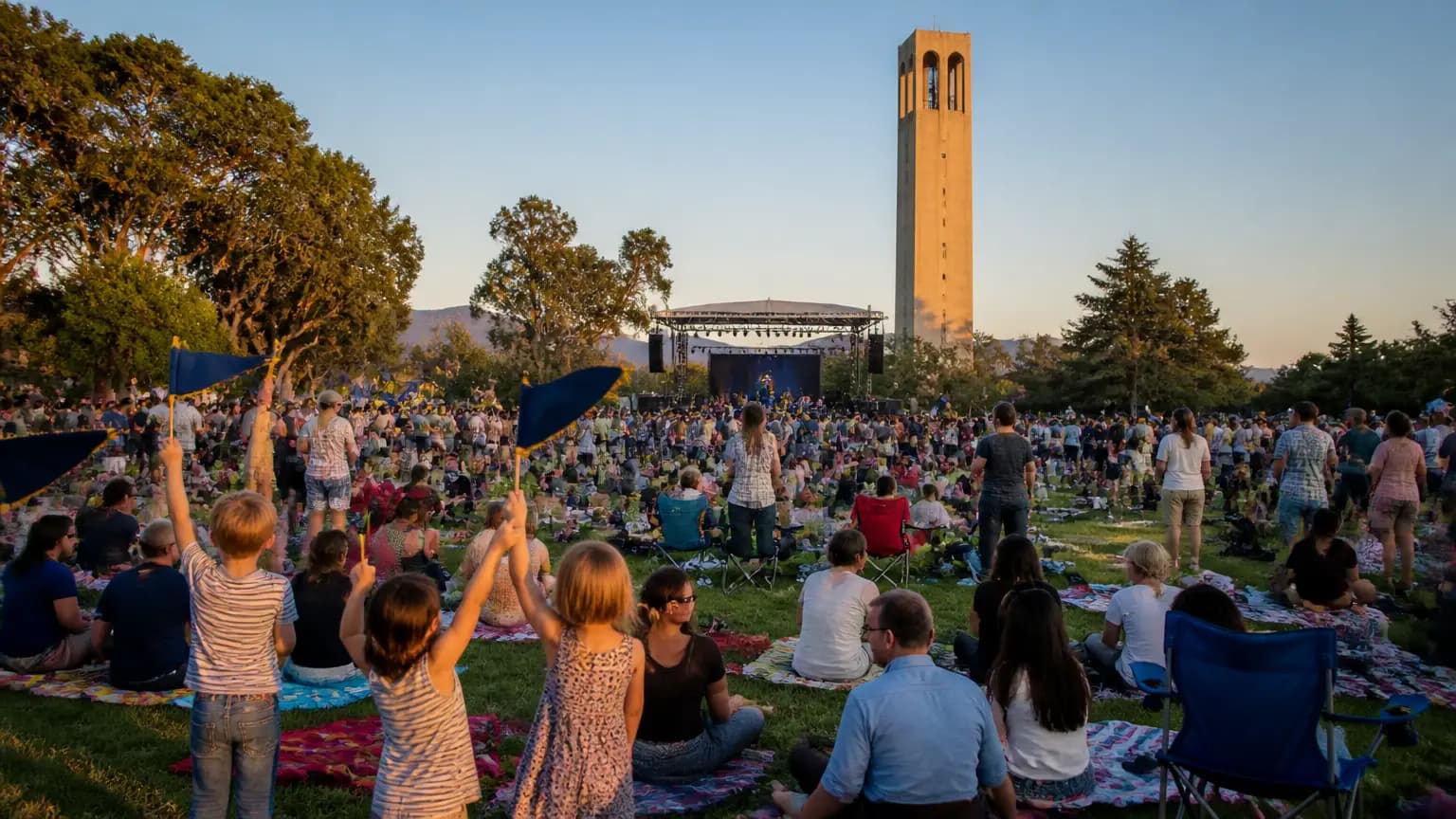
Here's a rare chance to enjoy everything we love about UCSB without needing a student ID or a parking miracle. GauchoFest takes over Commencement Green on Saturday, Oct. 17, from 1 to 6 p.m., and the whole 805 is invited — not just alumni, but neighbors, families and anyone curious about the campus in our backyard. Expect live music, games and plenty of photo-worthy moments, all wrapped in that easygoing Goleta afternoon glow. It's a lovely reminder that our universities aren't walled off from community life; they're part of what makes this stretch of coastline special. Big thanks to Noozhawk for the heads-up on this one. So grab a blanket, round up the crew and head to campus. Whether you bleed blue and gold or just love a good fall Saturday, this is one celebration worth showing up for.
 Santa Barbara
Santa Barbara City College to Host 2026 SBCC Trustee Candidate Forum
If you've got a stake in our local community college — and honestly, most of us in Santa Barbara do — mark your calendar. SBCC is hosting the 2026 Trustee Candidate Forum, giving voters a chance to hear directly from the people hoping to help steer the college through its next chapter. SBCC is one of our region's true anchors, from transfer students heading to four-year schools to career training and lifelong-learning classes many of us have taken ourselves. The Board of Trustees makes the calls on budgets, programs and priorities, so who sits on it matters more than a lot of folks realize. Hats off to the Santa Barbara Independent for keeping this on the radar. Show up, ask a question, and get to know the names on your ballot before you vote.