Kristen Sneddon: Santa Barbara Is Not for Sale
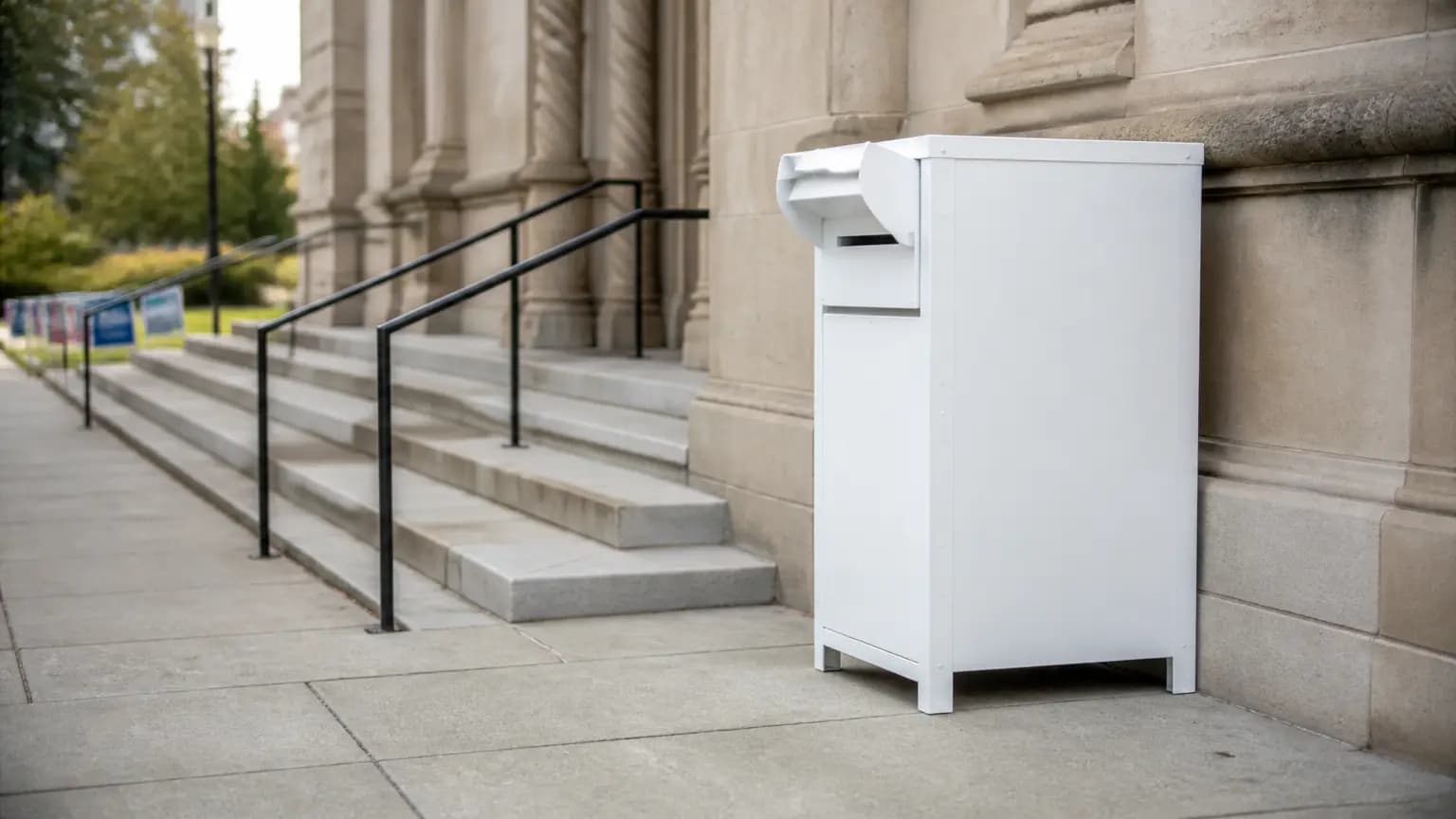
With Santa Barbara's election just days away, mayoral candidate and two-term City Council member Kristen Sneddon delivered one of the sharpest closing arguments of the campaign season, publishing an opinion column in Noozhawk declaring that "Santa Barbara is not for sale."
The column, published Oct. 31, frames Tuesday's election as a referendum on who will control the city's direction for decades to come: residents, or the deep-pocketed development and real estate interests Sneddon says have "poured hundreds of thousands of dollars" into local races.
A Warning About Outside Money
Sneddon's central argument is that corporate developers see an opening in this cycle — "not an opportunity to serve our community, but an opportunity to control the plans that will shape it for the next century."
"The real question on this ballot is who decides Santa Barbara's future?" she wrote. "The people who live here, or the people writing the biggest checks to steer this race from the outside?"
She draws a pointed parallel to national politics, comparing the developer mindset to President Donald Trump's career in real estate, arguing that treating "rules and institutions as obstacles" has no place near Santa Barbara City Hall. For a city that has spent nearly a century cultivating its red-tile identity through careful planning — a tradition rooted in the community's rebuild after the 1925 earthquake — the suggestion that those guardrails could be loosened by campaign spending is meant to land as a genuine alarm.
Growth, Water, and Wildfire Reality
Sneddon, who has served two terms on the City Council, isn't arguing against growth altogether. She writes that she has "worked hard for more affordable housing for the people who live and work here," and specifically praises the Housing Authority of the City of Santa Barbara, whose projects she notes are 100% affordable and aimed at local residents.
Her distinction is between that locally targeted affordable housing and what she characterizes as profit-driven corporate development. "Corporate developers are businesses," she wrote. "And they are businesses whose priorities are profit and not about preserving the character of our community."
She also grounds her argument in Santa Barbara's physical constraints: a city wedged between the mountains and the sea, with finite water resources, a single freeway corridor, and — for longtime residents, a raw memory — a history of fire, flood and debris flows. Every project the city approves, she argues, should have to answer whether the water infrastructure, first-responder capacity and evacuation routes can support it.
"When disaster strikes and Highway 101 closes, we have to be able to take care of ourselves," Sneddon wrote, adding that first responders and essential workers living locally "isn't nostalgia. It's how we stay safe."
The Mission-Area Project and State Street
Without naming it, Sneddon references a development she says "looms over this election and over our historic Santa Barbara Mission" — a nod to one of the most contested projects in recent Santa Barbara memory, which has drawn sustained opposition from neighbors and preservation advocates concerned about views and scale near the city's most iconic landmark.
She also lays out a vision for State Street, the downtown corridor still finding its footing years after the pandemic-era closure to car traffic. Sneddon calls for "thoughtful, flexible planning that can carry us through the next 50 to 100 years" — a downtown that works for locals first, with room for housing, small businesses, the arts and public gathering space.
Notably, she takes aim at two forces at once: developers, and the State of California, which she says "wants to make it easier for them, too." The comment reflects a tension many California cities feel as state housing laws increasingly constrain local discretionary review of projects.
Her bottom line on State Street: the vision "should be shaped by our community, in public, not drafted by whoever owns the biggest city block."
What's at Stake Tuesday
The column closes with a direct appeal to voters: "If we allow developers and outsized property interests to take control of our city, they are going to turn Santa Barbara into any generic overbuilt coastal city. No, thank you."
The piece is tagged as opinion, and Noozhawk notes the views are Sneddon's own. It arrives in the final stretch of a mayoral race in which the pace and shape of development has been a defining issue, alongside downtown revitalization, housing affordability and public safety.
For voters still weighing their ballots, Sneddon's column offers a clear distillation of one side of that debate: that Santa Barbara can build housing for the teachers, nurses, firefighters and restaurant workers who keep the city running — she pledges to do "everything in my power" toward that end as mayor — without surrendering community control over how and where that building happens.
Whether that message resonates will be decided Nov. 3, when Santa Barbarans choose their next mayor and council. What is certain is that the argument over the city's future — who shapes it, who profits from it, and who gets to live in it — will not end on Election Day, no matter who wins.
The original opinion column by Kristen Sneddon was published by [Noozhawk](https://www.noozhawk.com/kristen-sneddon-santa-barbara-is-not-for-sale/) on Oct. 31.
Reported by 805.life
Researched and written drawing on primary sources. Additional reporting: Noozhawk.
City
Santa BarbaraAdditional Reporting
NoozhawkPublished
October 31, 2026
Reported and written by 805.life
Explore Santa BarbaraAll Santa Barbara NewsMore News from Santa Barbara
 Santa Barbara
 High Girls Volleyball Falls to Glendora in CIF-SS Division 4 Semifinals
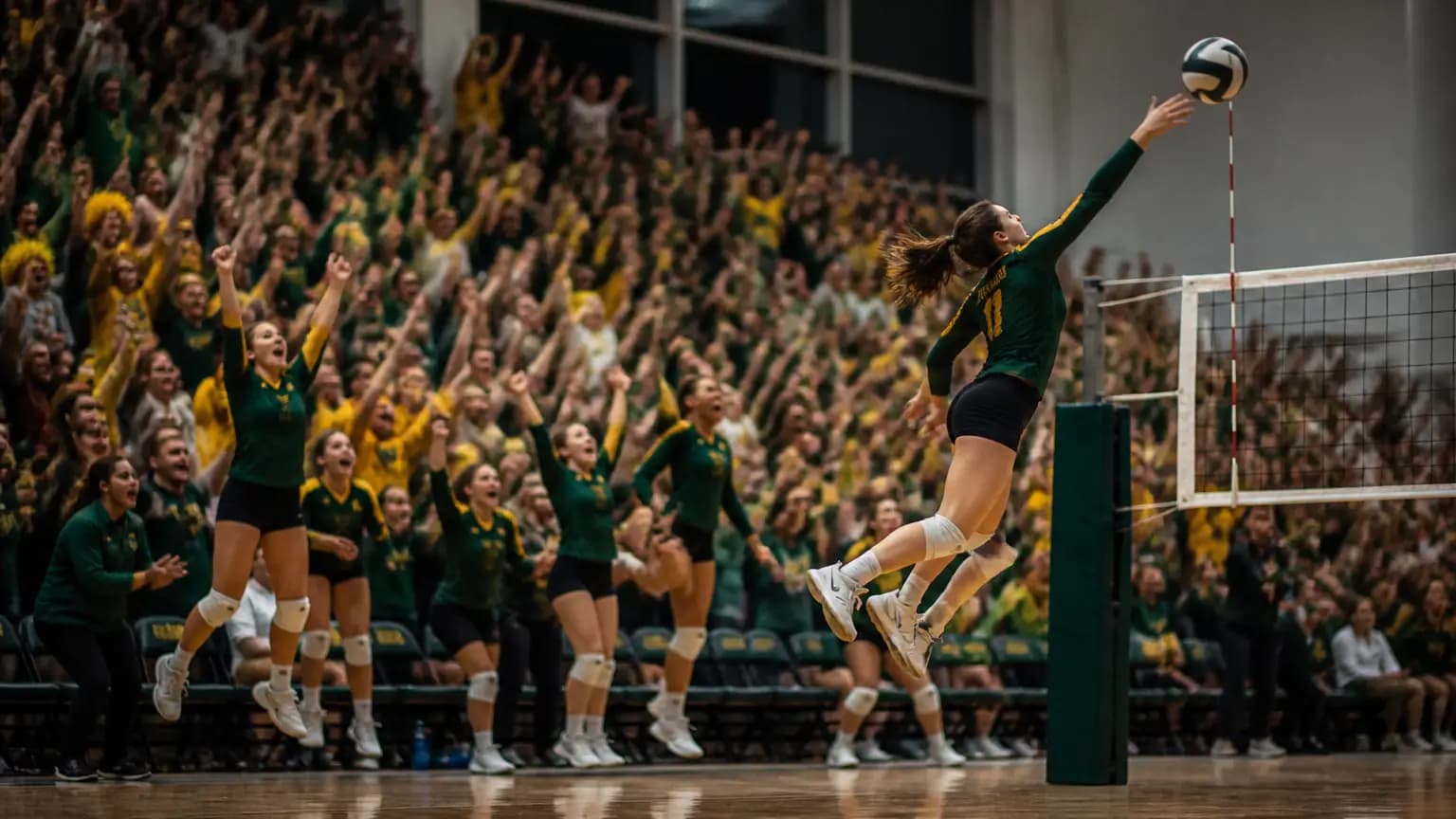
Dons fans, we know this feeling all too well. For the second year running, Santa Barbara High's girls volleyball squad saw its playoff run end in the CIF-SS semifinals, falling in straight sets at Glendora on Saturday night — 22-25, 17-25, 17-25. Glendora brought a big block and some heavy hitters, and our Dons just couldn't find an answer. Still, getting back to the semis two seasons in a row is no small thing. These players put in the long practices, the road trips, and the kind of grit that makes Santa Barbara proud. The season didn't end with a banner, but it ended with a team worth cheering for. Props to Noozhawk for keeping us posted on the Dons all season long. To the players and coaches: thanks for the ride. We'll be back in the gym next fall.
 Santa Barbara
CIF-SS playoff semifinal scores for girls volleyball and flag football
Our local teams are making waves in the CIF-SS playoffs, and even though Santa Barbara High's girls volleyball squad fell to Glendora in the Division 4 semifinals, there's plenty to celebrate across the 805. The Dons had a strong run, and we're proud of how they represented our community on the court. Over in flag football, Oxnard's Yellowjackets are headed to the Division 1 finals after a 19-9 win over El Toro. They'll face Palos Verdes, and you can bet the 805 will be rooting them on. Meanwhile, Newbury Park's volleyball team advanced in Division 2 and will play Corona del Mar for the title. It's a great reminder of the talent and heart in our local high schools. Thanks to KEYT News Channel 3-12 for keeping us posted on these playoff scores. Whether you're a volleyball parent, a flag football fan, or just love seeing our area shine, these student-athletes are giving us plenty to cheer about this November.
 Santa Barbara
ADA Compliance Should Not Mean More Jail Cells
Santa Barbara County is poised to spend $167 million on new jail infrastructure to meet ADA compliance — and that's a conversation worth having. But as the Santa Barbara Independent recently pointed out, it's hard not to notice the contrast: we can find millions for bars and cells, yet treatment beds for people with serious mental illness remain scarce. For those of us living here, this isn't abstract. Many of us know someone who's cycled through crisis, and jail often becomes the default safety net. ADA compliance is legally required, and no one's arguing against accessibility. But true public safety means investing upstream too — in beds, care, and community-based treatment that keep people out of the system altogether. As Santa Barbara shapes its budget priorities, let's ask our supervisors to pair that jail funding with a real plan for treatment capacity. It's not either/or — it's about building a community where compliance and compassion go hand in hand.