Lawsuit fights Newsom’s death row commutations
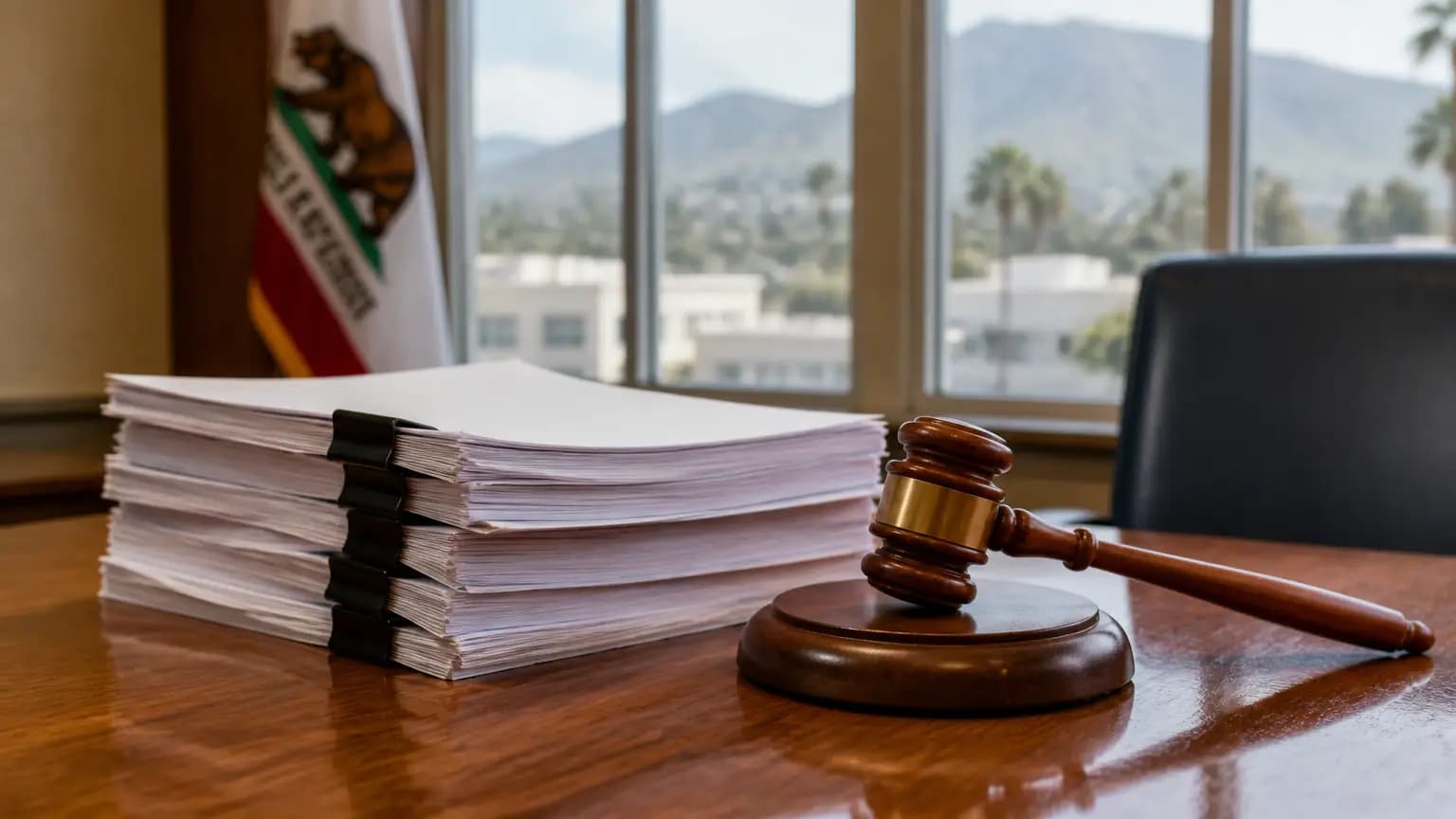
A legal battle over the future of California's death row is drawing in Ventura County — and by extension, Simi Valley — after a coalition of prosecutors, law enforcement organizations and victims' rights advocates sued Gov. Gavin Newsom over his plan to commute the death sentences of 548 condemned inmates statewide.
The lawsuit, filed Nov. 16 by the Sacramento-based Criminal Justice Legal Foundation, alleges the governor is attempting to circumvent constitutional safeguards by pursuing mass commutations without meaningful individualized review and without legally required notice to prosecutors and victims' families, the Simi Valley Acorn reported. Fifteen of the affected death sentences were imposed in Ventura County, which prosecutes crimes committed in Simi Valley.
The challenge comes less than two weeks after Newsom announced his intention to replace the death sentences with life imprisonment without the possibility of parole — a move that would not release any condemned prisoner but would eliminate the possibility of execution.
A Local Case at the Center
Among the Ventura County cases is Gregory Scott Smith, convicted of kidnapping, sexually assaulting and murdering 8-year-old Paul Bailly in 1990. A Ventura County jury imposed Smith's death sentence in 1991, and the California Supreme Court upheld it in 2005.
Greg Totten, the former Ventura County district attorney who helped prosecute Smith and now serves as chief executive officer of the California District Attorneys Association, said he personally called Paul's mother, Mary Bailly, to tell her of the governor's decision.
"Not an easy conversation to tell her what the governor has done," Totten told the Acorn, adding that her reaction was outrage.
Totten is among the law enforcement and prosecutorial leaders backing the lawsuit. "District attorneys have a legal responsibility to represent the people of California and protect the rights of crime victims," he said in a statement accompanying the filing. "The Governor's failure to provide legally required notice to prosecutors has deprived them of the opportunity to provide critical information and ensure that victims and their families are heard."
Ventura County District Attorney Erik Nasarenko, whose office covers Simi Valley, previously criticized the governor's decision, noting that the 15 local death sentences came only after extensive court proceedings and judicial review.
"Life without the possibility of parole is a severe punishment," Nasarenko told the Acorn, "but it was not the sentence determined in a courtroom for these 15 cases." His office had said it was weighing its options in response to the announcement.
The Legal Arguments
The lawsuit contends that the governor's constitutional clemency authority does not allow him to predetermine the outcome for hundreds of condemned prisoners without weighing the circumstances of each case. It also raises questions about the California Supreme Court's role: under Article V, Section 8 of the California Constitution, a governor cannot commute the sentence of a person twice convicted of a felony without a recommendation from the state Supreme Court, with at least four justices concurring.
Additionally, the suit alleges the governor failed to comply with statutory notification requirements for district attorneys and disregarded victims' constitutional rights to be informed and heard.
Anne Marie Schubert, president and CEO of the Criminal Justice Legal Foundation and a former Sacramento County district attorney, called the proposed commutations an abuse of executive power. "This lawsuit is about protecting the constitutional rights of victims, defending the rule of law, and ensuring that no Governor is above the law," Schubert said. "Blanket commutation is not an exercise of discretion—it is an abandonment of it."
Brian Marvel, president of the Peace Officers Research Association of California, noted that dozens of the condemned inmates were convicted of murdering peace officers in the line of duty. "Their families, their fellow officers, and the people of California deserve a justice system that honors that sacrifice and respects our judicial process," he said.
Victims' advocates say many families learned of the proposed commutations through news reports rather than direct notification. "Victims are not an afterthought in our justice system," said Topo Padilla, president of Crime Victims United. "They have constitutional rights, and those rights must be respected."
The Governor's Position
Newsom has long opposed capital punishment and imposed a moratorium on executions in 2019. Explaining his decision, he wrote: "I take this action because I firmly believe that state-sanctioned killing is incompatible with California's values, undermines the foundations of our legal system, and diminishes each of us."
The American Civil Liberties Union has backed the governor, citing racial disparities, wrongful convictions and other longstanding concerns about how capital punishment is administered in California.
The commutations, if carried out, would convert death sentences to life without parole — meaning none of the 548 inmates, including the 15 convicted in Ventura County, would be released.
What Comes Next
For Simi Valley residents, the lawsuit touches on questions that go beyond any single case: whether executive clemency can be applied en masse, what notice victims are owed, and how the courts will interpret the constitutional limits on a governor's power. The litigation is likely to move through California's court system over the coming months, and its outcome could shape clemency practice for years.
California voters have repeatedly weighed in on capital punishment over the past two decades, and the state hasn't executed an inmate since 2006 — but the legal question of whether a governor may commute death sentences wholesale has never been squarely resolved. Whatever rulings emerge, families in Ventura County like Mary Bailly's, prosecutors such as Nasarenko, and the 548 condemned inmates and their victims' relatives across the state will be watching closely.
The Acorn will continue to follow the case as it develops.
Reported by 805.life
Researched and written drawing on primary sources. Additional reporting: Simi Valley Acorn.
City
Simi ValleyAdditional Reporting
Simi Valley AcornPublished
November 20, 2026
Reported and written by 805.life
Explore Simi ValleyAll Simi Valley NewsMore News from Simi Valley
 Simi Valley
Oversight for Simi landfill agreement nixed
Simi Valley neighbors, if you've been following the landfill conversation, here's the latest: the City Council voted 3-2 against reviewing the city's 2011 agreement with Waste Management, which runs the Simi Valley Landfill and Recycling Center. Mayor Dee Dee Cavanaugh and Councilmember Elaine Litster wanted that review, but the majority said no — even as residents keep asking for more transparency on environmental, aesthetic, and safety impacts. This one hits close to home for anyone living near the landfill or just concerned about what's in our air and our hillsides. The Acorn reported on the decision, and it's the kind of local story that shapes how much say residents have in what happens right in their backyard. Whether you agree with the council's call or not, it's worth staying engaged. Local government works best when we show up, ask questions, and keep the conversation going — even when the vote doesn't go the way we hoped.
 Simi Valley
Simi prepares for winter storms, schedules community meetings
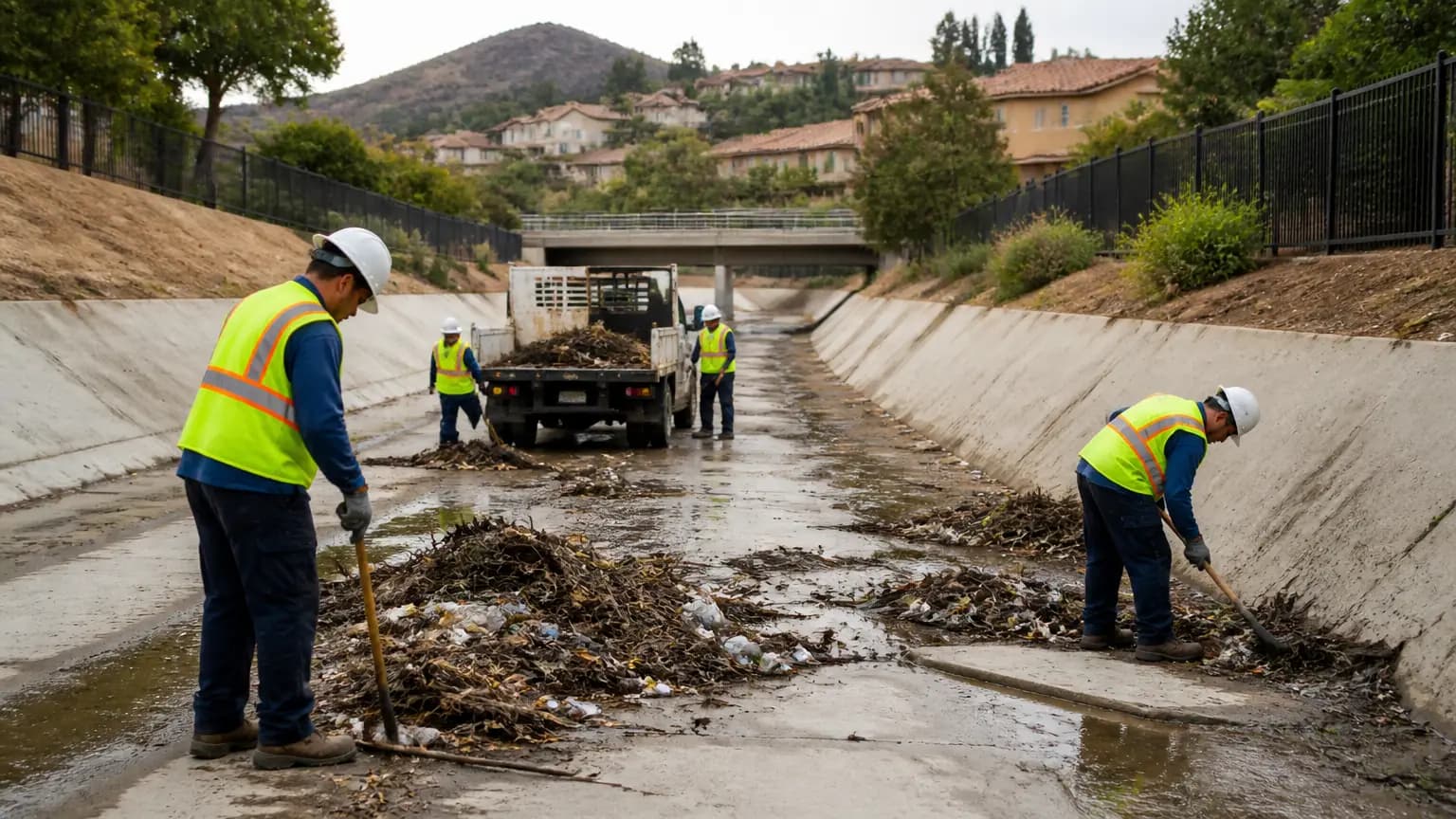
Simi Valley is getting ahead of the rain this year, and honestly, that's the kind of quiet prep work that makes a difference when the storms actually hit. City crews have already cleared storm basins and drainage facilities, hauling away more than 22 tons of debris, and they're continuing inspections of culverts, storm drains and channels across town. If you've lived here a while, you know how fast those November and December downpours can turn a clogged drain into a flooded street. The city is also scheduling a series of community meetings to help residents get ready for potentially heavy rainfall. That's your chance to ask questions, learn where trouble spots tend to be, and figure out what to have on hand before the first big system rolls through. The Simi Valley Acorn has the details on the schedule. Take a few minutes to check your own gutters and sandbags, and keep an eye out for those meeting dates. A little prep now beats a soggy scramble later.
 Simi Valley
Ayala leads Abele in tooclose to-call council race
Simi Valley neighbors, if you thought the District 1 council race was settled, think again. Two weeks after Election Day, Joseph Ayala has edged ahead of Jill Abele as Ventura County keeps working through the remaining ballots. This one is about as tight as it gets, and every vote truly matters. For those of us in District 1, this seat shapes decisions on housing, traffic, and the everyday quality-of-life issues we care about most. The Simi Valley Acorn has been tracking the ups and downs closely, and the latest numbers show just how fluid things can be until every ballot is counted. So stay tuned, Simi Valley. Whether you're Team Ayala or Team Abele, this is democracy in action—and a good reminder that local elections can come down to a handful of votes. We'll be watching for the final tally.