Ventura County Sexual Assault Kit Initiative Surpasses 2,000 Kits Tested
Every kit is more than a box of swabs on an evidence-room shelf. It is a record of someone's worst night—catalogued, sealed, and, for decades, too often left unopened. In Ventura County, thousands of those kits sat untested since as far back as the 1970s, waiting for technology to catch up with the crimes they documented. Now, a landmark milestone announced this month signals how much ground has been recovered.
The Ventura County Sexual Assault Kit Initiative (VCSAKI) has surpassed 2,000 kits tested, Vida Newspaper reported June 16. For Oxnard residents, the number carries special weight: when the county inventoried its backlog, the Oxnard Police Department accounted for roughly 24.5% of all cases—the second-largest share of any agency in the county—making the city's stake in this initiative as large as almost anyone's.
A Decade of Evidence, Finally Opened
The scale of what VCSAKI has taken on is staggering. 2,038 sexual assault kits have been tested from a countywide inventory of 2,846 kits dating back to the 1970s. Many of those kits had previously been subjected to older forensic methods, like blood-typing, that predate modern DNA science. Now, using advanced DNA testing, the Ventura County Sheriff's Forensic Services Bureau has uploaded 923 DNA profiles into the Combined DNA Index System (CODIS), the national database that matches evidence to known offenders and links cases across jurisdictions. Those uploads have generated 329 CODIS hits connected to potential suspects or linked cases.
The initiative is a joint effort by the Ventura County District Attorney's Office and the Ventura County Sheriff's Office Forensic Services Bureau, funded since 2021 through federal grants awarded by the U.S. Department of Justice—including a $2.5 million grant from the Bureau of Justice Assistance—along with county funding. A second $2.5 million federal grant followed in 2023, extending the initiative's reach. Every participating law enforcement agency in the county is involved—including the Oxnard Police Department, which contributed detectives, records personnel, and evidence staff to the painstaking work of locating decades-old reports, some of which could only be found on microfilm.
Answers That Took Forty Years to Arrive
The human impact of the work comes into focus through the cases it has cracked. VCSAKI investigators and prosecutors have closed 125 cases and notified 21 victims that their cases were solved because of advances in DNA testing. Seven arrests have been made and five convictions obtained.
One of the most striking examples involves a cold case in Oxnard itself. Just days before the 2,000-kit milestone was announced, authorities held a press conference in Oxnard to announce charges filed against 55-year-old Bobby Rollins Jr. of Long Beach for the kidnapping, robbery, and sexual assault of a teenage girl on June 11, 1990—solved exactly 36 years to the day after the crime occurred. Sheriff Fryhoff credited a 1990 Ventura County criminalist who preserved portions of evidence for future analysis, saying that "that decision proved to be incredibly valuable."
Beyond Ventura County's borders, VCSAKI's reach has proven genuinely national in scope. In September 2025, the initiative helped identify Sean Patrick McNulty, a former Ventura resident who died in 1997, as the perpetrator of six home-invasion rapes across Ventura County, Indiana, Michigan, and Ohio, dating back to 1982. The identification required cross-country collaboration with law enforcement in Michigan and Ohio, an investigative genealogist with the Columbus Police Department, and a crime analyst with the FBI's Violent Criminal Apprehension Program—who located a 1993 Indiana rape case where McNulty had already been named as a suspect before his death. One surviving California victim told a VCSAKI investigator that she had "waited forty years" to receive closure.
Separately, testing of a 1994 Ventura County sexual assault kit revealed the identity of Abraham Ramirez, who has since been indicted in Maricopa County Superior Court on 11 criminal counts for four unsolved sexual assaults in Phoenix, Arizona, spanning from 1998 to 2013. The original case had been dismissed decades ago due to insufficient evidence; the kit sat in storage for nearly 30 years until VCSAKI retested it.
Oxnard's Own Piece of This Work
Oxnard's outsized share of the kit inventory reflects a hard truth about the city: like many urban communities, it absorbed decades of underreported and under-prosecuted sexual violence. But it also reflects something more hopeful—that Oxnard's law enforcement community has been an active partner in trying to make it right. VCSAKI's team roster includes Oxnard Police Department investigators dedicated specifically to the initiative, working alongside county forensic scientists and district attorney staff. Detective Andrea Mora, an Oxnard native and OPD officer since 2016, serves on the VCSAKI team as an investigator in the Family Protection Unit, fully committed to sexual assault and child molestation cases.
Senior Deputy District Attorney Emily Reber, who works on the initiative, described to KEYT News the emotional weight of revisiting these cases, noting that many are among the most difficult she has ever encountered. But the reward of reconnecting with victims years—or decades—later makes the effort worthwhile, she said.
"The purpose of VCSAKI has never been simply to prosecute cases," District Attorney Erik Nasarenko said in the announcement. "Our mission is to conduct thorough investigations, follow the evidence wherever it leads, and provide victims with answers and, whenever possible, a sense of closure. Even when prosecution is no longer an option due to the statute of limitations or other legal constraints, victims deserve to know that their case mattered."
What Comes Next—and Why Funding Matters
Of the original 2,846-kit inventory, 808 kits remain to be tested. The VCSAKI team continues to prioritize those remaining kits, but the road ahead is uncertain. At the June 11 Oxnard press conference announcing the Rollins arrest, District Attorney Nasarenko acknowledged that grant funding is running out and that the county is waiting for word on a new federal application. "The application has been submitted, but to date, no response," he said.
For Oxnard survivors who went through the painful process of submitting to a forensic exam years or decades ago and never heard another word, the initiative represents perhaps their only remaining chance at answers. The VCSAKI website at saki.venturacounty.gov allows victims to check the status of their kit and access support services, including free counseling in some cases. Survivors can also reach the team by email at [email protected] or by phone at (805) 654-5053.
Sheriff Jim Fryhoff framed the milestone plainly: "Every kit represents a person who deserved to be heard." In Oxnard—a city that holds roughly one in four of those kits—that is not an abstraction. It is a neighbor, a family member, a community member who walked into an exam room and trusted that the evidence would eventually matter. More than 2,000 times now, investigators have picked up that evidence and carried it forward.
Reported by 805.life
Researched and written drawing on primary sources. Additional reporting: Vida Newspaper.
City
OxnardAdditional Reporting
Vida NewspaperPublished
June 16, 2026
Reported and written by 805.life
Explore OxnardAll Oxnard NewsMore News from Oxnard
 Oxnard
Oxnard to change the name of Cesar Chavez Street
Big change for folks who've been calling that stretch of road Cesar Chavez Drive for years — Oxnard's city council voted unanimously on Sept. 15 to rename it Campesina Place. Mayor Luis A. McArthur was absent for the vote, and the resolution sets aside up to $250 to reimburse residents and businesses affected by the switch. The name Campesina — roughly 'farmworker woman' — feels like a nod to the same agricultural roots the old name honored, just from a different angle. For longtime Oxnard families, street names aren't just addresses; they're part of how we give directions, tell stories, and remember who we are. Worth noting: Vida Newspaper reported this, and the details are still developing. If your mail, signage, or business is on that street, keep an eye out for city guidance on the reimbursement process. What do you think of the new name? Let us know.
 Oxnard
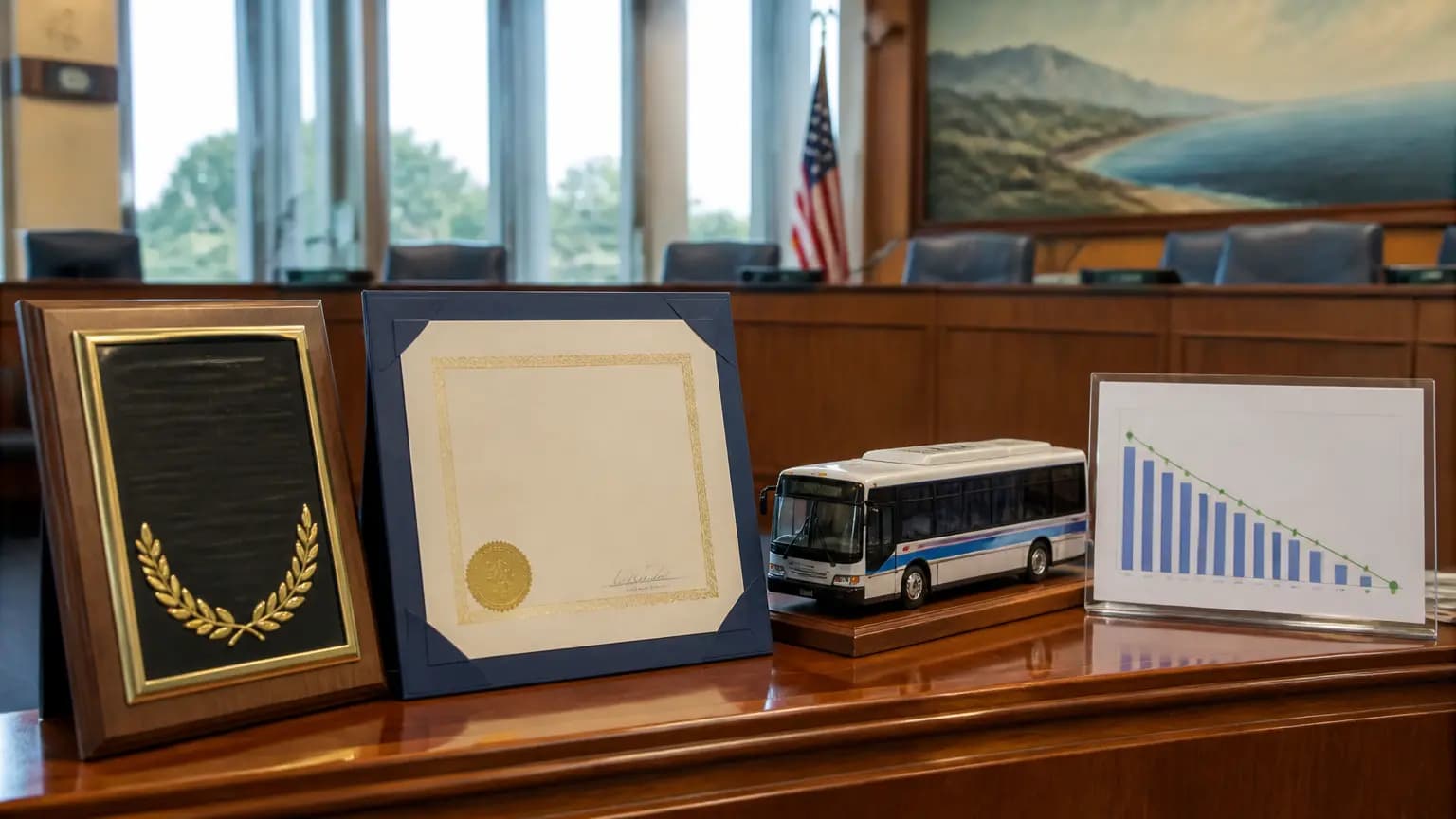
VCTC receives 2026 SDRMA Excellence in Safety Award
Some good news worth celebrating from our neighbors at the Ventura County Transportation Commission — they just picked up the 2026 Excellence in Safety Award from SDRMA, the agency that handles risk management for special districts across California. Why should Oxnard care? VCTC keeps our buses rolling and our transportation projects moving, and this award reflects five straight years with zero paid claims. That's not just a plaque for a shelf — it means taxpayer dollars are staying in service, not going toward lawsuits and losses. With so many of us relying on VCTC routes to get to work, school, and around the 805, a strong safety record is a quiet win for every rider and driver on our roads. The recognition was reported by Vida Newspaper, and it's a nice reminder that steady, unglamorous work behind the scenes keeps our corner of the Central Coast moving. Congrats to the VCTC team.
 Oxnard
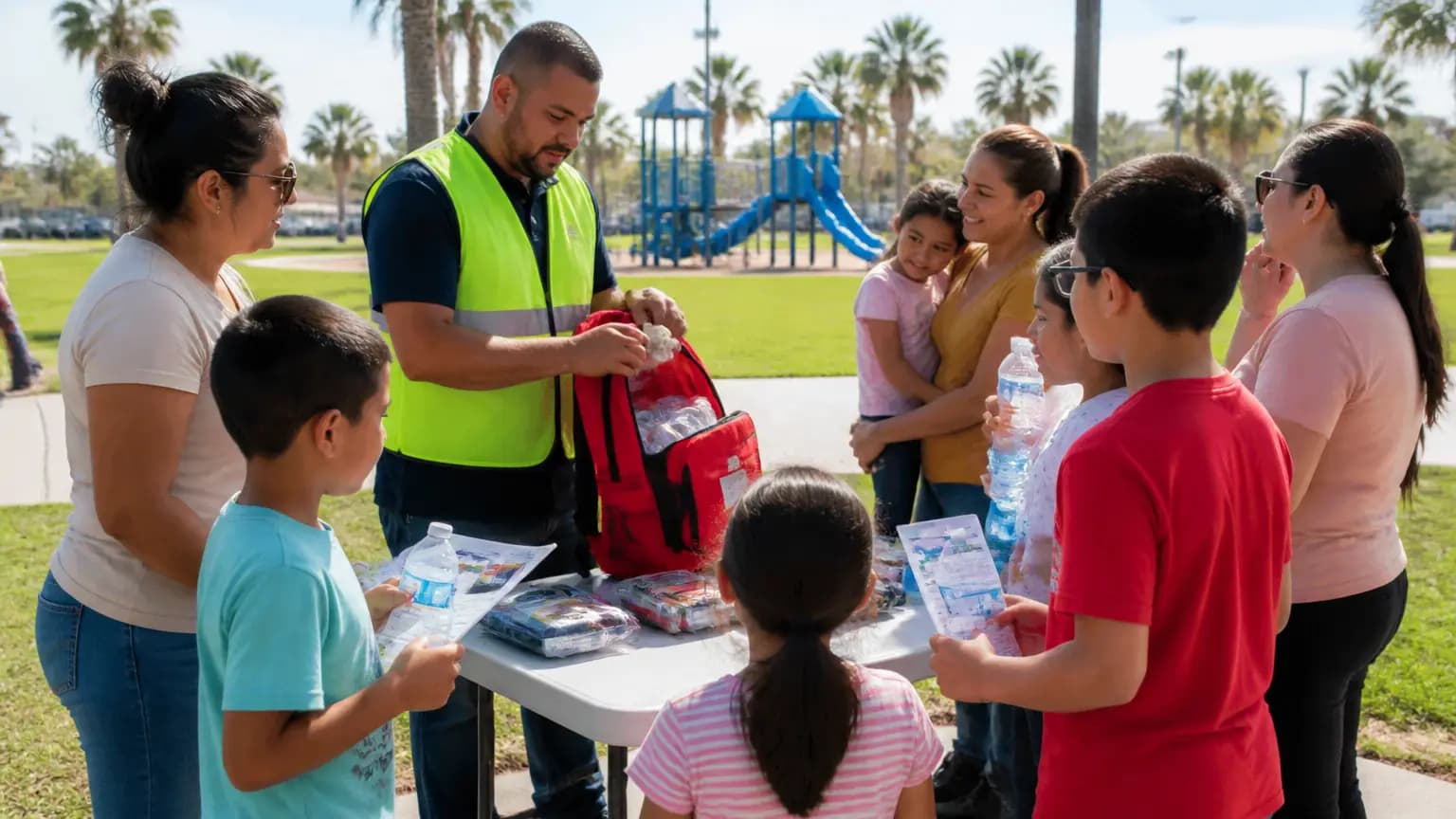
City of Oxnard to Host “Prep in the Park” Event to Help Families with Disaster and El Niño Storm Preparedness Efforts
Oxnard neighbors, mark your calendars — the city is bringing emergency prep straight to College Park on Saturday, September 26, from 11 a.m. to 4 p.m. with "Prep in the Park." It's free, it's family-friendly, and it's hands-on, which matters more than ever as forecasters keep talking about El Niño conditions and the kind of winter storms that can flood streets and knock out power here on the coast. Instead of a dry lecture, you'll get demonstrations and giveaways that make getting ready feel doable — the little things like go-bags, water storage, and a family plan that actually get used when the wind and rain hit. Vida Newspaper flagged this one, and we're glad they did: in a city as spread out as Oxnard, knowing your neighbors and your resources is half the battle. So pack the kids, swing by 3250 S. Rose Ave., and leave a little more prepared than you came. It's the kind of low-key Saturday that could pay off big when the next storm rolls in.