Complicated field lab cleanup plods ahead
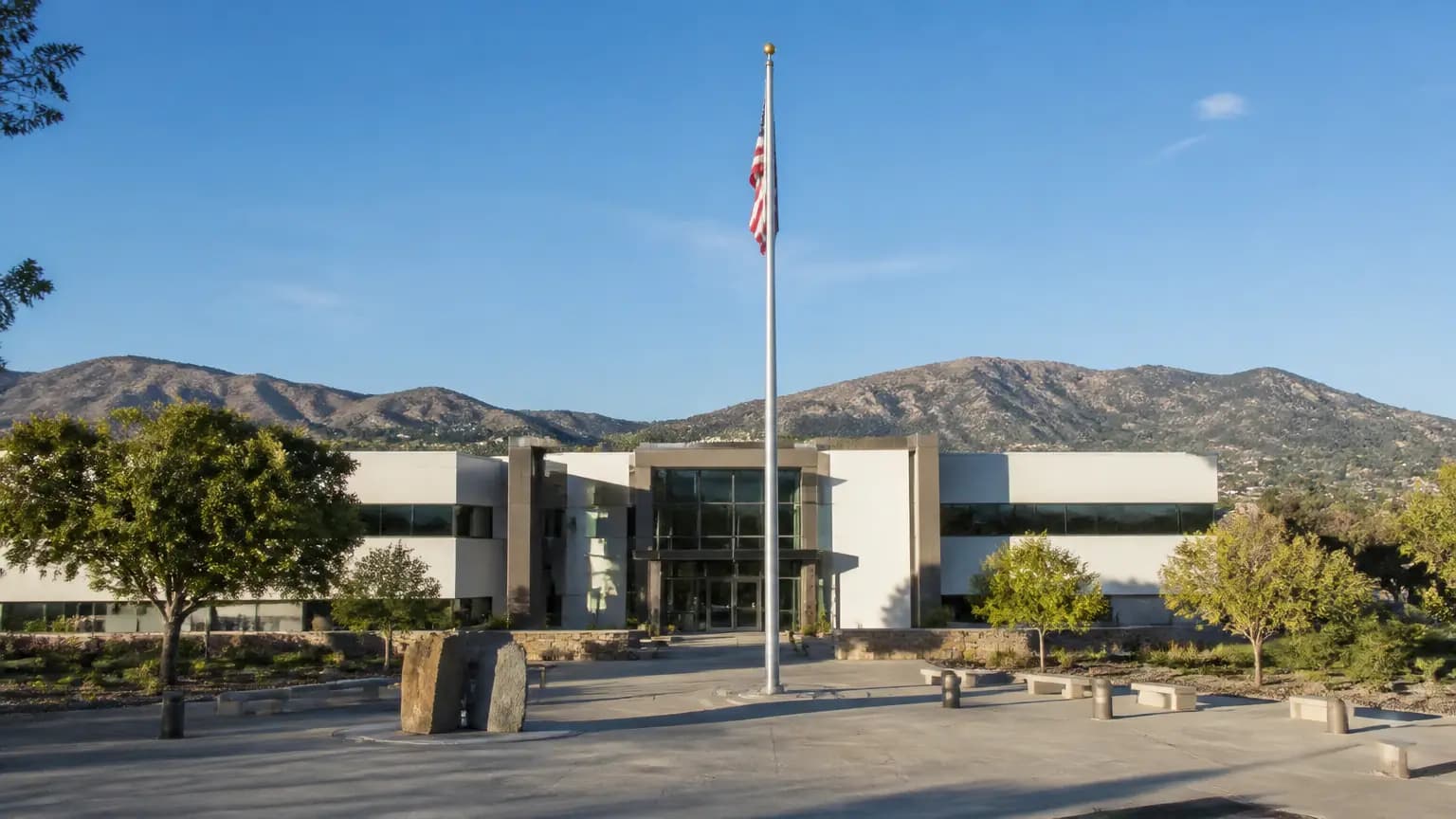
The long-running cleanup of the Santa Susana Field Laboratory is grinding forward in 2026 — but for Simi Valley residents who have lived in the shadow of the site for decades, progress remains uneven, with some demolition work slipping past its expected start date and community groups pressing regulators to hold the responsible parties to the strictest standards.
According to the Simi Valley Acorn, the roughly 2,850-acre site in the Simi Hills remains divided among three responsible parties: Boeing, which owns most of the property; the U.S. Department of Energy, which oversees contamination tied to the former Energy Technology Engineering Center; and NASA, which administers the federal portion including Area II, where rocket test facilities once operated.
Boeing's demolition and soil work
Boeing is preparing to demolish the five remaining buildings it operated in Area IV, the northern portion of the site that included ETEC, where nuclear and energy research was conducted during the Cold War. That demolition had been expected to begin this summer, the Acorn reported, but had not yet gotten underway.
Boeing also continues hauling contaminated soil from the Area I Burn Pit, a 5.8-acre site where chemicals used at SSFL were once destroyed through detonation and combustion. The area is contaminated with chemicals including PCBs, dioxins, volatile organic compounds and metals.
For Simi Valley neighborhoods bordering the Simi Hills, the truck traffic and dust associated with soil removal and demolition have long been a quality-of-life concern, alongside the underlying worry about contaminants migrating off-site through soil, groundwater and stormwater.
DOE says key problem areas are cleared
Josh Mengers, the Department of Energy's federal project director, said some of the site's longtime sources of concern have been addressed — including the Sodium Reactor Experiment, where 13 of 43 fuel assemblies partially melted in the 1959 reactor accident, and the former Sodium Disposal Facility.
"Right now our focus has been on finalizing building demolition and groundwater cleanup plans with DTSC," Mengers told the Acorn. DTSC — the state Department of Toxic Substances Control, which operates under CalEPA in conjunction with federal authorities — is the lead state regulator for the cleanup.
The 1959 Sodium Reactor Experiment partial meltdown has been a defining event in SSFL's history, fueling decades of community concern about potential health effects in surrounding communities. The DOE's announcement that the SRE area and the Sodium Disposal Facility have been cleared marks a milestone, though activists have historically disputed what "cleared" means in practice and whether verification standards are rigorous enough.
NASA's rocket-test demolition and groundwater progress
NASA has continued demolition at the Coca Test Area and is preparing for additional work, including removal of remaining concrete pads, foundations, asphalt and the Coca Control House. Coca was one of the site's infamous rocket test stands, used during the space program era.
On the groundwater front, NASA received DTSC approval in January for the first phase of its groundwater cleanup. The agency says it has treated nearly 540 million gallons of groundwater to date, removing roughly 6,000 pounds of trichloroethylene and other volatile organic compounds — industrial solvents that are common contaminants at former aerospace and testing sites.
Activists fight for stronger accountability
While the agencies and Boeing point to progress, watchdog groups say the cleanup continues to move too slowly and with too many loopholes. Parents Against Santa Susana Field Lab and other advocates traveled to Washington, D.C., this year as part of the Alliance for Nuclear Accountability, a coalition of communities affected by contamination from DOE sites.
PASSFL founder Melissa Bumstead met with staff for U.S. Representatives Brad Sherman and Julia Brownley, as well as members of DOE's Environmental Management team, to press for a complete cleanup. Those meetings resulted in a letter from Sherman and Brownley to the DOE reminding the department of its cleanup obligations — a signal that congressional pressure remains part of the picture.
In June, PASSFL also spoke at a Los Angeles Regional Water Quality Control Board hearing alongside Los Angeles Waterkeeper, Heal the Bay and the Wishtoyo Chumash Foundation, regarding a proposed penalty against Boeing for alleged stormwater violations. The groups argued that the roughly $600,000 proposed penalty was insufficient, noting the water board's own calculations allowed for a penalty of up to $15 million. PASSFL says the board indicated it would increase the penalty, though a final amount has not been announced.
What comes next
For residents, the months ahead hold several milestones to watch: whether Boeing's Area IV building demolition finally begins, the outcome of the stormwater penalty, and DTSC's decisions on the final building demolition and groundwater cleanup plans being finalized with the DOE.
The site's cleanup has always been a marathon rather than a sprint — a patchwork, as the Acorn put it, of structural demolition, soil removal, groundwater treatment and regulatory battles stretching back decades. Community groups have made clear they intend to keep watching every step, and residents can expect the debate over standards, timelines and penalties to continue as the work plods ahead.
Reported by 805.life
Researched and written drawing on primary sources. Additional reporting: Simi Valley Acorn.
City
Simi ValleyAdditional Reporting
Simi Valley AcornPublished
August 21, 2026
Reported and written by 805.life
Explore Simi ValleyAll Simi Valley NewsMore News from Simi Valley
 Simi Valley
Congressional forum puts key issues in the spotlight
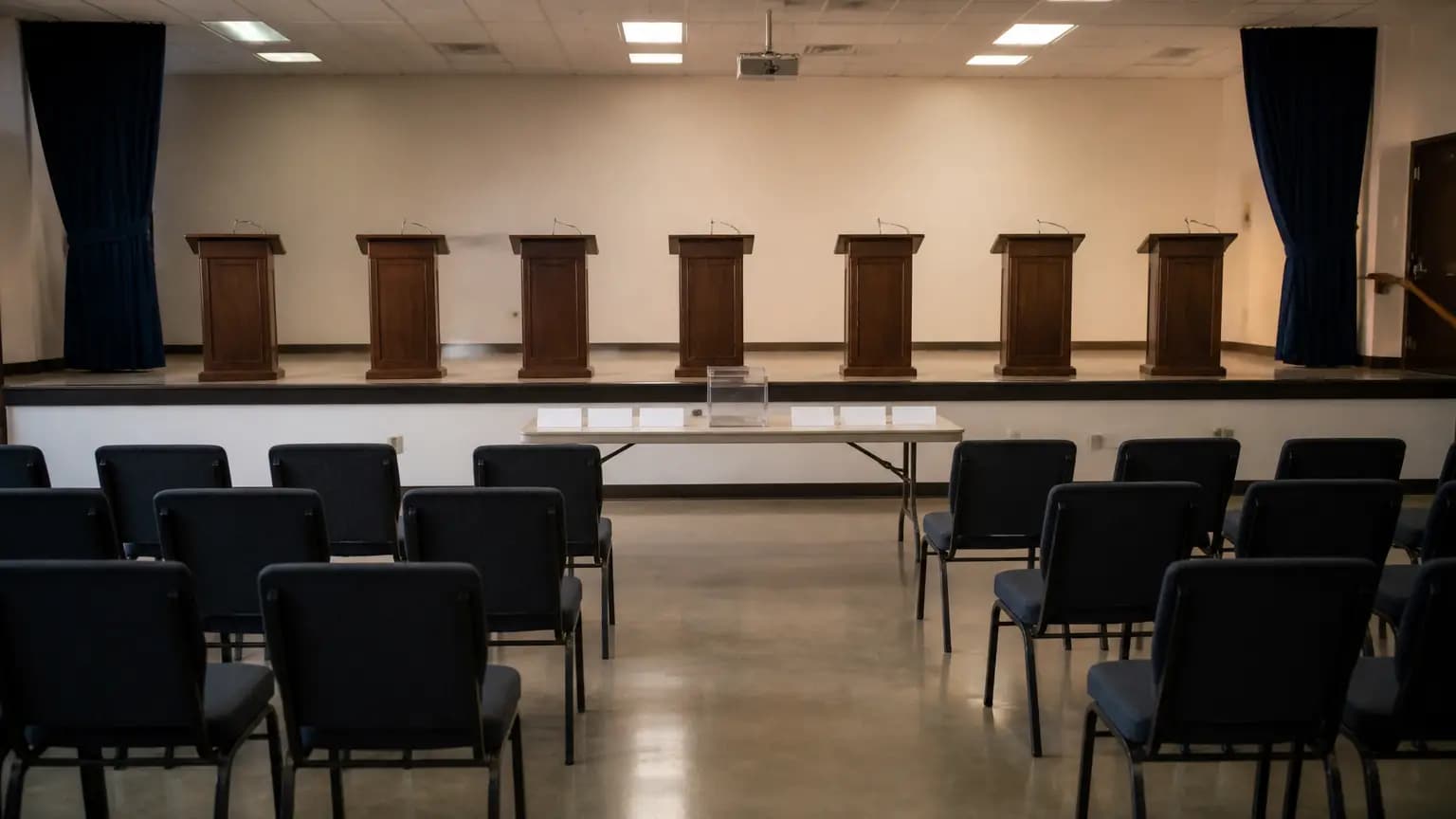
If you missed the Sept. 25 candidate forum in Moorpark, here's the short version: things got lively. Republican Sam Gallucci and Democratic Assemblymember Jacqui Irwin are both running for the 26th Congressional District seat, and the Simi Valley Acorn reports they clashed hardest over immigration, gun laws, transgender rights and the war with Iran. This matters to us here in Simi Valley because the 26th District covers our community, and whoever wins will be the voice we send to Washington on the issues that shape our daily lives, from the economy to public safety. Local forums like this are one of the few chances to hear candidates unfiltered before we cast a ballot. Keep an eye on the Acorn and 805.life for more coverage as the campaign heats up. Whatever your politics, showing up informed is how our corner of the 805 makes itself heard.
 Simi Valley
Rabid bats on the rise in LA, Ventura counties
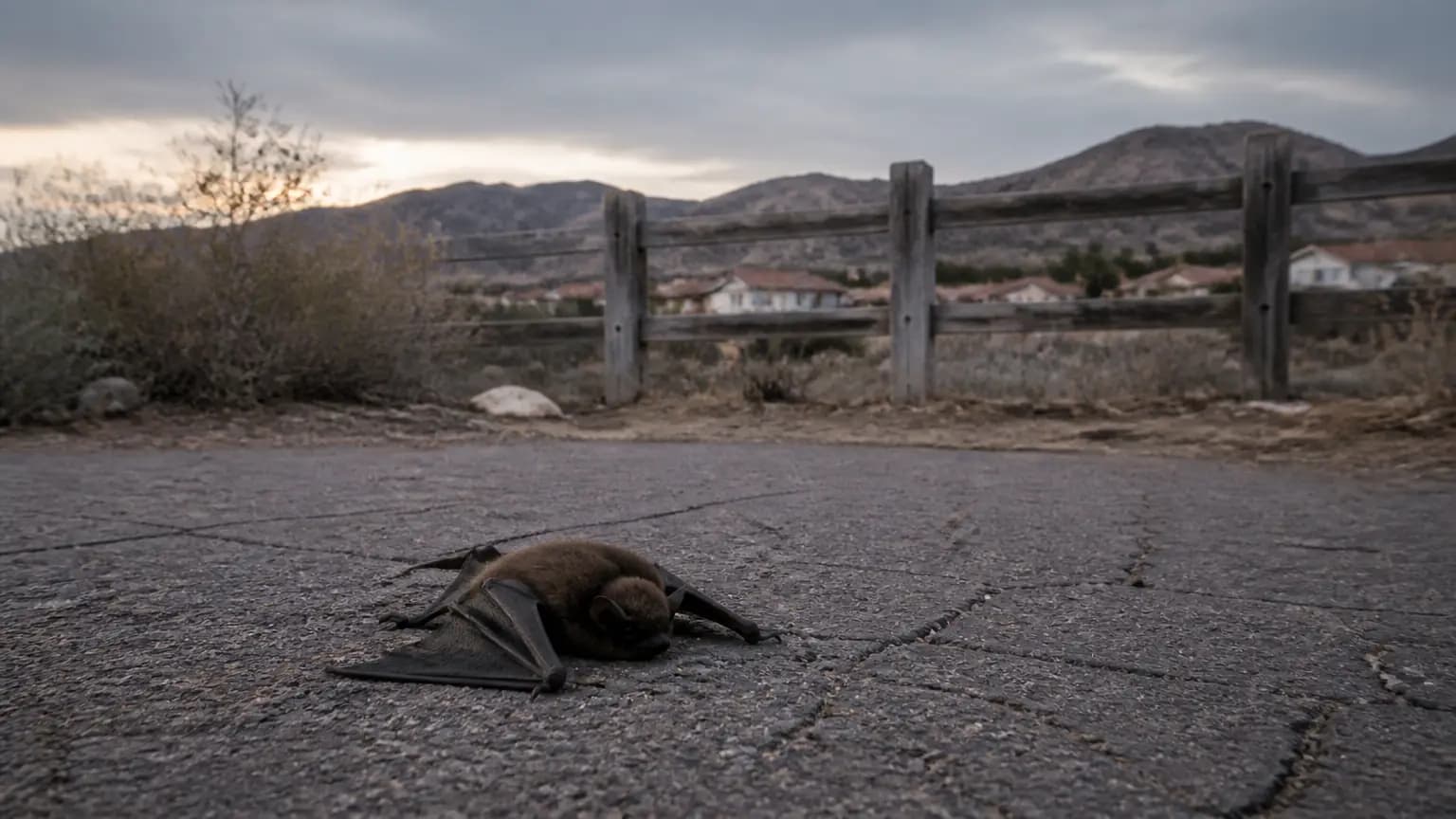
Heads up, neighbors — just in time for Halloween, health officials are reporting a spike in rabid bats across LA and Ventura counties, including right here in our neck of the woods. The Simi Valley Acorn flagged the surge, noting infected bats have turned up in several local cities, and officials are urging everyone to keep their distance. The rules are simple: never touch a bat, and call it in if you spot one indoors, flying around during the day, or looking sick. That last part matters most in Simi — bats love our warm evenings, open trails, and older rooflines, so a grounded or confused bat near your patio isn't just creepy, it's a real health risk. Keep pets' rabies shots current too. It's not the spooky-season headline we wanted, but a little caution goes a long way. If something seems off, report it rather than handle it yourself. Stay safe out there, 805.
 Simi Valley
Park board plays out new budget for Simi/Oak Park
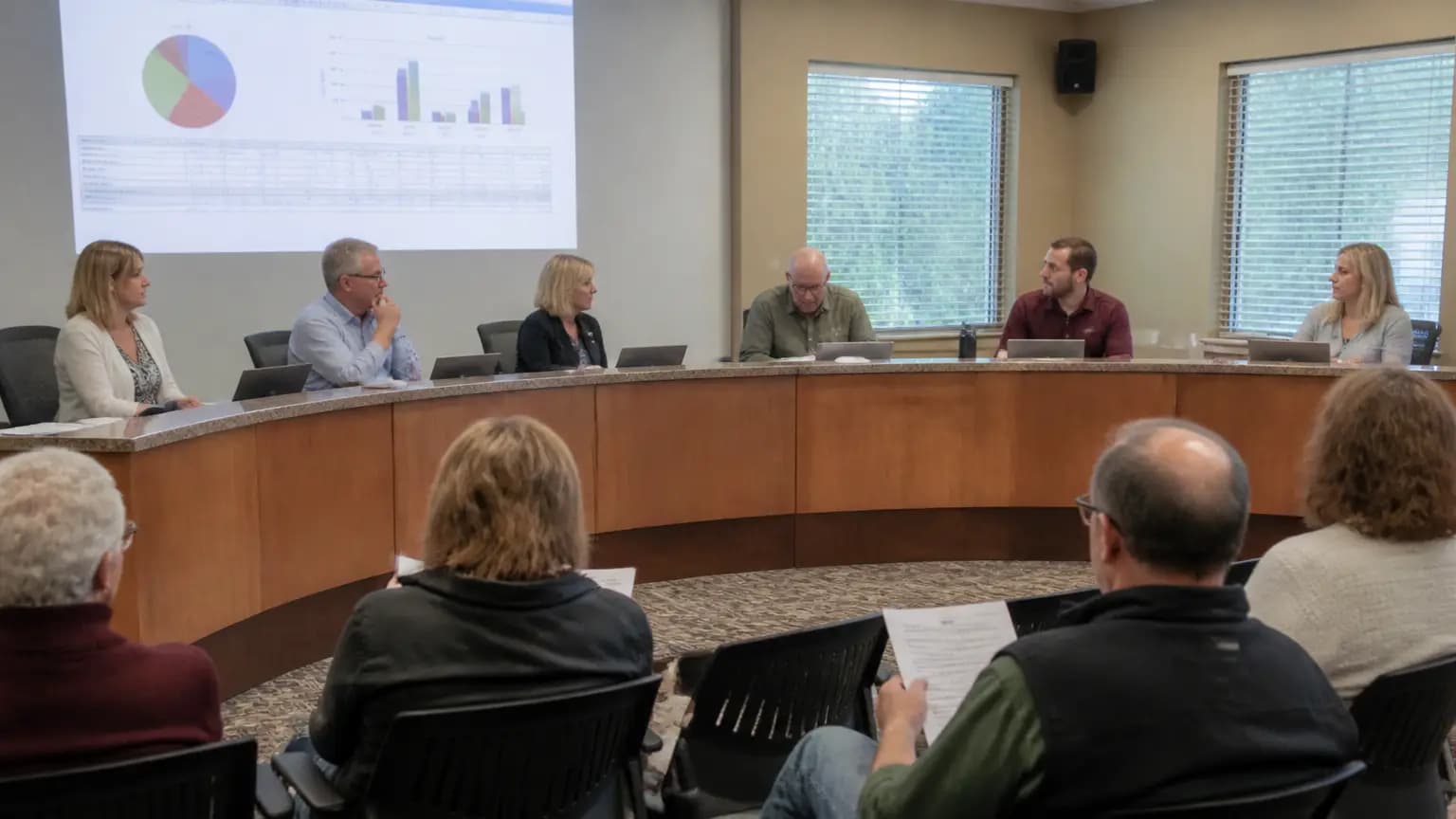
Big news for our corner of the 805: the Rancho Simi Recreation and Park District just approved a $70 million budget, and about $20 million of that is going straight into capital improvements. We're talking nearly $7.5 million for Activity Center Phase III and roughly $2.3 million for a new BMX track—projects that'll give Simi Valley and Oak Park families more places to play, gather, and stay active. If you've spent any weekend circling a packed parking lot or waiting on a field, you know how much our parks carry this community. This kind of investment isn't just concrete and dirt—it's birthday parties, after-school practices, and neighbors actually running into neighbors. Shoutout to the Simi Valley Acorn for keeping us posted on the details. Keep an eye on construction timelines, because these upgrades will shape our weekends for years to come.