Rancho Simi board advances budget amid Oak Park funding gap
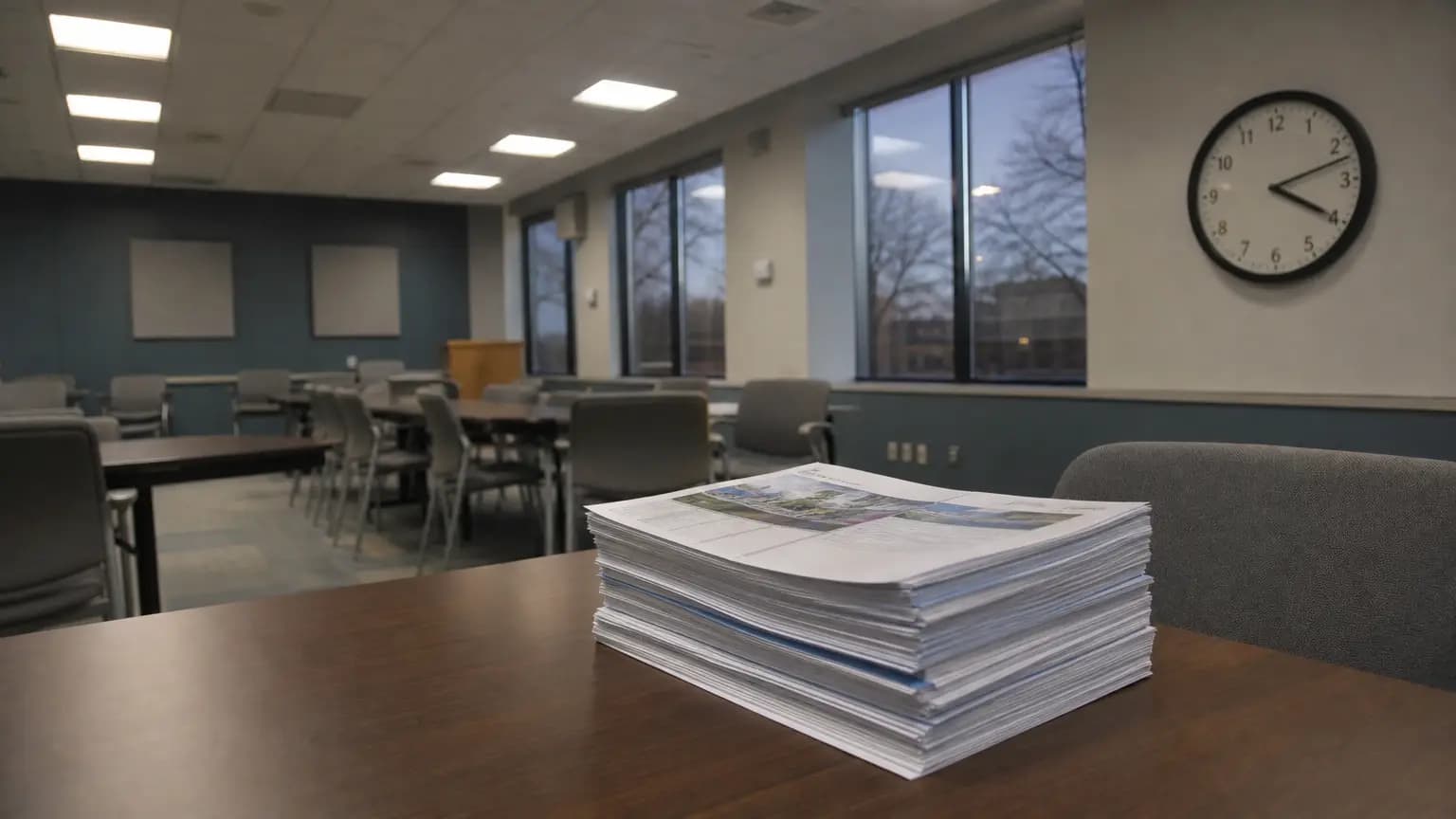
The Rancho Simi Recreation and Park District has moved its 2026-27 spending plan forward, but not without a cloud hanging over it: a roughly $600,000 general-fund deficit in the Oak Park portion of the district that board members say cannot be ignored — and that is already prompting a deeper conversation about whether the 65-year-old district's governance model still makes sense.
Board Unanimously Passes Preliminary Budget
At its June 17 meeting, the RSRPD board unanimously adopted a preliminary $68 million combined operating and capital improvement budget for fiscal year 2026-27, as reported by the Simi Valley Acorn. The vote sends the plan through a public-input process before a final vote scheduled for Oct. 7.
The numbers are substantial: the budget carries a beginning all-funds balance of about $44 million, projects nearly $42 million in revenue and roughly $68 million in expenditures, leaving an estimated ending balance of around $17 million. District Manager Dan Paranick told the board the operating budget is balanced, and that the high expenditure figure reflects multi-year capital projects approved in prior cycles that are now rolling into construction.
The general fund is somewhat tighter. It shows about $27 million in revenue against roughly $28 million in expenditures, closing the year with approximately $11 million in reserves — about $10.5 million of that designated for Simi Valley and about $580,000 for Oak Park. Property taxes remain the dominant revenue driver, accounting for nearly half of all operating income, with about $17 million coming from Simi Valley and nearly $2 million from Oak Park. Recreation programs are projected to bring in about $7 million districtwide, while salaries and benefits represent close to $17 million in expenditures.
Simi Valley Projects: Activity Center, BMX, and Dog Park Tables
For Simi Valley residents, the budget is packed with projects that have been years in the making. The single largest line item is $7.4 million for Activity Center Phase III construction at the district's Guardian Street headquarters — the final leg of a decade-long effort to convert a former light manufacturing building into a full indoor recreation hub. The Simi Valley Acorn previously reported that the board authorized bids for Phase III in a 4-1 vote in February 2026, with plans cleared for permitting by city and county fire officials in January. In late May, the board approved an \$8 million construction contract with Ardalan Construction Company of Thousand Oaks in a 3-2 vote, with the project's landscape designer estimating construction could begin as early as fall and take about nine months to complete.
Other Simi Valley capital items in the budget include $884,000 for additional staffing, $175,000 for Frontier Park design, $54,000 for Rancho Madera Park tennis court resurfacing, $18,000 for Rancho Tapo Park resurfacing and $50,000 for a community survey. Dog park regulars also get a nod: $10,000 is set aside for safer tables at the Simi Valley dog park, a small fix that Board Chair Brian Dennert highlighted as an example of the district's responsiveness to residents. The budget also carries forward $2.3 million for BMX track construction and nearly $253,000 for BMX track design and permitting, continuing a commitment the district has been building toward for several years.
Oak Park Deficit Clouds the Picture
The more fraught budget story is in Oak Park. Staff flagged a steady, multi-year erosion of recreation and rental revenue in the unincorporated Ventura County community that the district also serves. Recreation program revenue there has slid from about $312,000 a few years back to a projected $222,000 this fiscal year — and the new budget projects only $155,000 for 2026-27. Rental revenue is also expected to decline, from about $379,000 to roughly $325,000. The result: the Oak Park general fund is staring at a deficit of about $600,000, and Paranick said staff will come back to the board with specific recommendations before the budget is finalized.
For Oak Park, the capital side of the budget still includes meaningful investment: $105,000 for Deerhill Park pickleball parking lot resurfacing, $20,000 for fencing improvements, more than $2.2 million in grant funding for the Medea Creek fire resiliency project, $250,000 for the Indian Springs playground, $195,000 for the Oak Park Community Park preteen playground replacement and $104,000 for Oak Park Community Center improvements.
Dennert acknowledged that Oak Park residents are already signaling a willingness to pay more to close the gap: "We heard an overwhelming consensus that (Oak Park) would like to help reduce the deficit by paying more, but the mechanics of that are hard," he said, as quoted by the Acorn. The challenge is that Oak Park is unincorporated, so any new funding mechanism requires navigating county and state processes that go well beyond a simple board vote.
A Governance Question Lurks Beneath the Numbers
The deficit is not happening in a vacuum. Director Ed Abele used the budget discussion to call for a much broader conversation about whether the district's current structure — a single agency covering both the incorporated city of Simi Valley and the unincorporated community of Oak Park — is still the right arrangement. "Whether we're one district or two separate entities or something in between," Abele said, according to the Acorn.
That question has real weight. A citizen-led group in Oak Park formally moved last fall to establish an Oak Park Community Services District, a process that — if approved by Ventura County's Local Agency Formation Commission — would detach Oak Park from RSRPD entirely and consolidate local services under a five-member Oak Park-elected board. Community voices writing in The Acorn have noted that Oak Park's parks deficit has been "paid by non-Oak Park residents in RSRPD" — a dynamic that strains relations between the two communities. Adding to the fiscal pressure, a separate Acorn report from April 2026 found that Oak Park's County Service Area 4 is also running deficits, with reserves projected to run dry by 2031.
Paranick acknowledged the complexity, telling the board the near-term Oak Park revenue issues could be addressed in upcoming budget meetings while broader structural conversations happen on a separate track.
Abele also took aim at the Activity Center project more broadly, saying he "would not have funded Activity Center Phase III" and warning that the district risks getting overextended. He pointed to unfinished work at the Rancho Santa Susana Community Center — specifically a deferred roof and HVAC replacement — as evidence that existing facilities are not keeping pace. Paranick pushed back, saying staff has determined both systems remain in good condition and will likely be replaced together within the next few years.
What Comes Next for Residents
Simi Valley residents who want a say before the final budget is locked in have a clear path. A public hearing is scheduled for July 15 in Simi Valley; a second hearing in Oak Park is set for Aug. 19. The board plans to take up final adoption on Oct. 7. Agendas and meeting details are posted at rsrpd.org.
The district, which was formed in 1961 and today encompasses 113 square miles serving more than 150,000 residents, is juggling an unusually full plate: a high-profile indoor recreation center breaking ground, a long-sought BMX track finally heading to construction, and a structural funding question in Oak Park that no amount of belt-tightening alone will solve. Director Eric Lundstrom offered what may be the most apt summary of the moment: "It's going to take some time, but we're moving in the right direction."
Reported by 805.life
Researched and written drawing on primary sources. Additional reporting: Simi Valley Acorn.
City
Simi ValleyAdditional Reporting
Simi Valley AcornPublished
July 10, 2026
Reported and written by 805.life
Explore Simi ValleyAll Simi Valley NewsMore News from Simi Valley
 Simi Valley
Why Your Grocery Budget Can Stay in Dollars Even When Payment Technology Changes
Fellow 805 neighbors, here's a small bit of reassurance from the Simi Valley Acorn: your grocery budget can keep living in dollars, no matter how fancy payment tech gets. Think about it — rent, utilities, that Friday night dinner out, your streaming subscriptions. Most of us track all of it in dollars because our paychecks arrive in dollars and the price tags at our local markets do too. New payment methods don't have to scramble that familiar math. So whether you're budgeting for a trip down to the farmers market or just stretching the weekly grocery run, your numbers stay your numbers. It's a good reminder that convenience can change without our household balance sheets losing their footing.
 Simi Valley
Congressional forum puts key issues in the spotlight
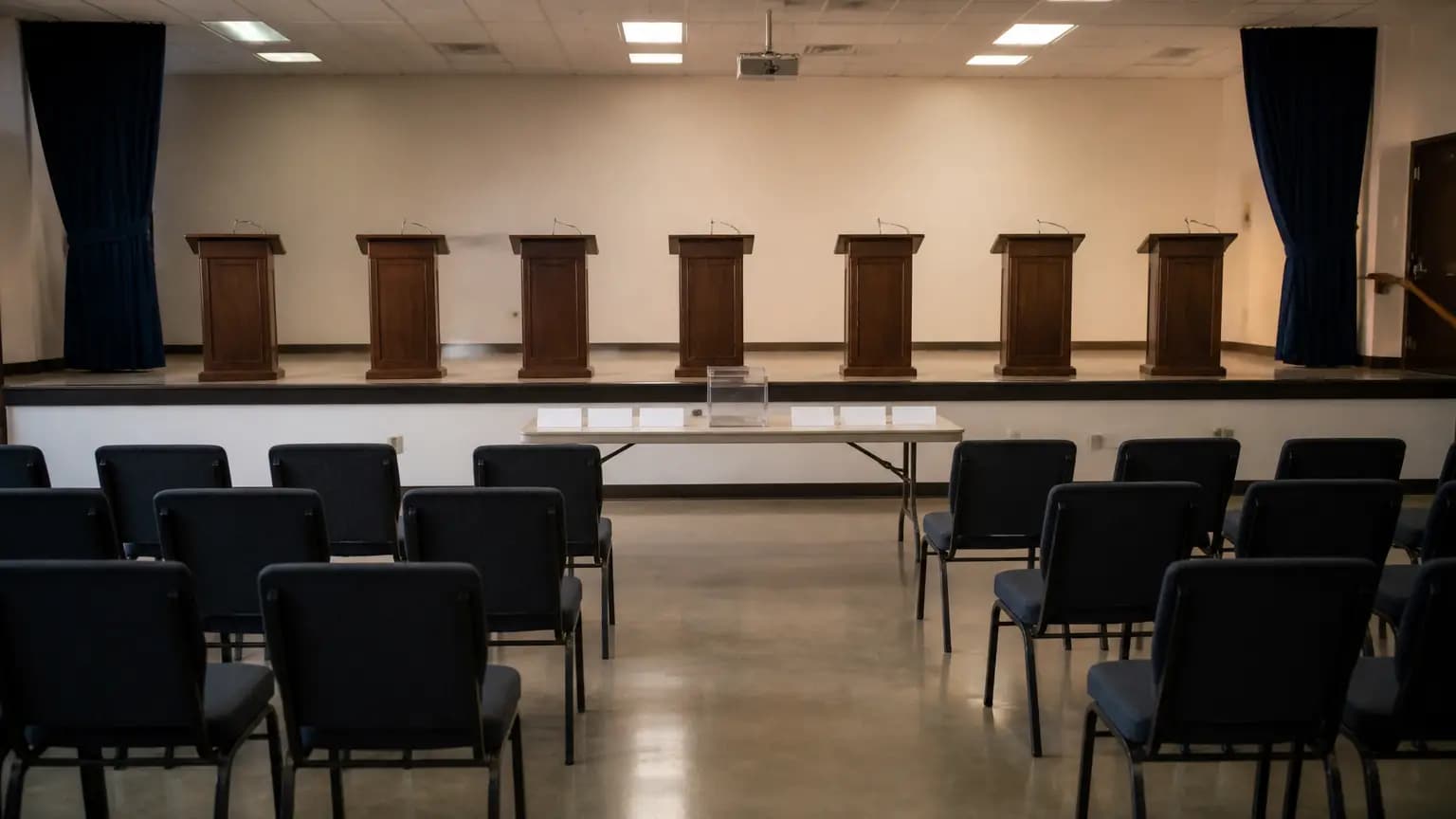
If you missed the Sept. 25 candidate forum in Moorpark, here's the short version: things got lively. Republican Sam Gallucci and Democratic Assemblymember Jacqui Irwin are both running for the 26th Congressional District seat, and the Simi Valley Acorn reports they clashed hardest over immigration, gun laws, transgender rights and the war with Iran. This matters to us here in Simi Valley because the 26th District covers our community, and whoever wins will be the voice we send to Washington on the issues that shape our daily lives, from the economy to public safety. Local forums like this are one of the few chances to hear candidates unfiltered before we cast a ballot. Keep an eye on the Acorn and 805.life for more coverage as the campaign heats up. Whatever your politics, showing up informed is how our corner of the 805 makes itself heard.
 Simi Valley
Rabid bats on the rise in LA, Ventura counties
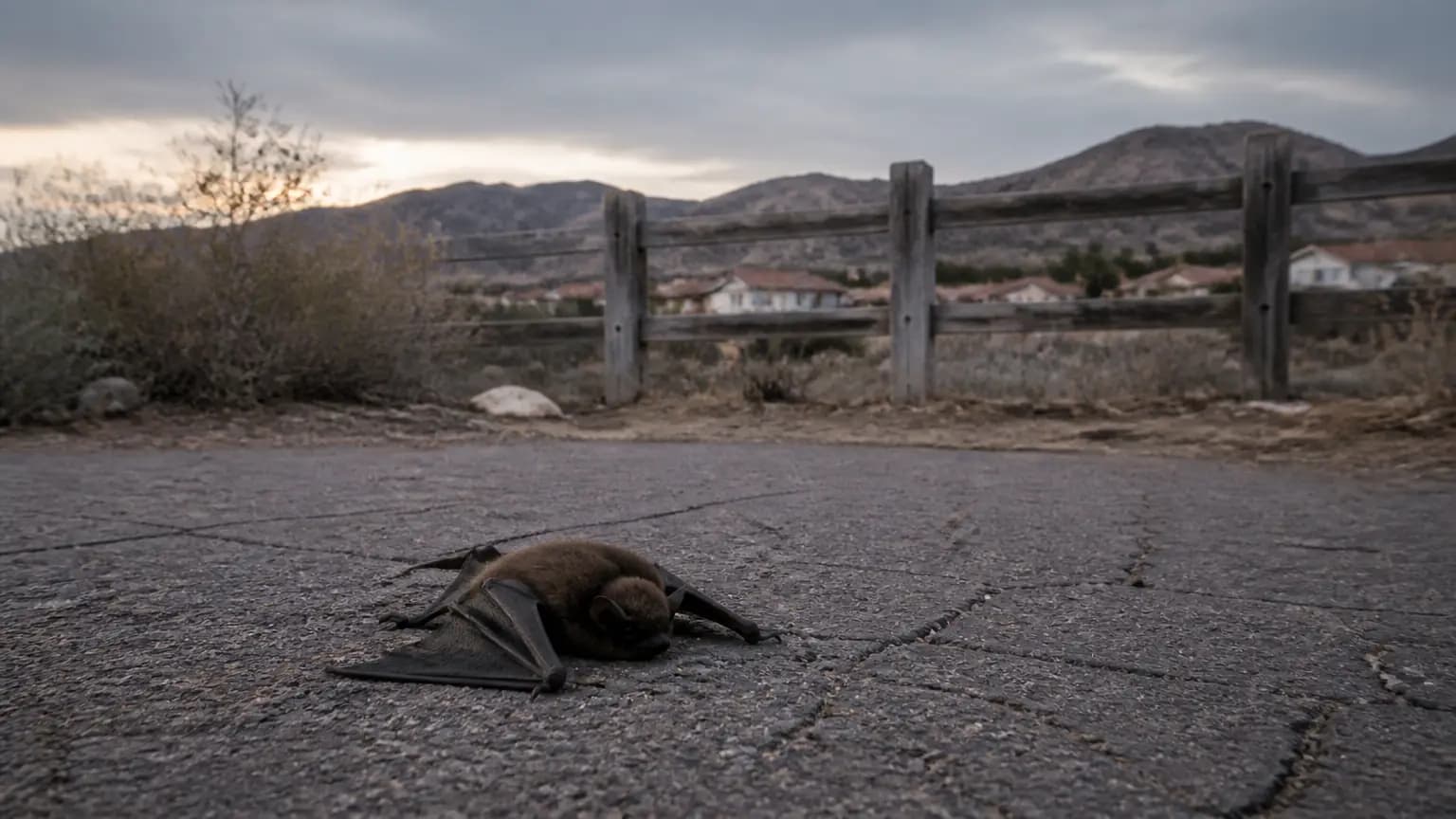
Heads up, neighbors — just in time for Halloween, health officials are reporting a spike in rabid bats across LA and Ventura counties, including right here in our neck of the woods. The Simi Valley Acorn flagged the surge, noting infected bats have turned up in several local cities, and officials are urging everyone to keep their distance. The rules are simple: never touch a bat, and call it in if you spot one indoors, flying around during the day, or looking sick. That last part matters most in Simi — bats love our warm evenings, open trails, and older rooflines, so a grounded or confused bat near your patio isn't just creepy, it's a real health risk. Keep pets' rabies shots current too. It's not the spooky-season headline we wanted, but a little caution goes a long way. If something seems off, report it rather than handle it yourself. Stay safe out there, 805.