Sandy fire and field lab a dangerous combination
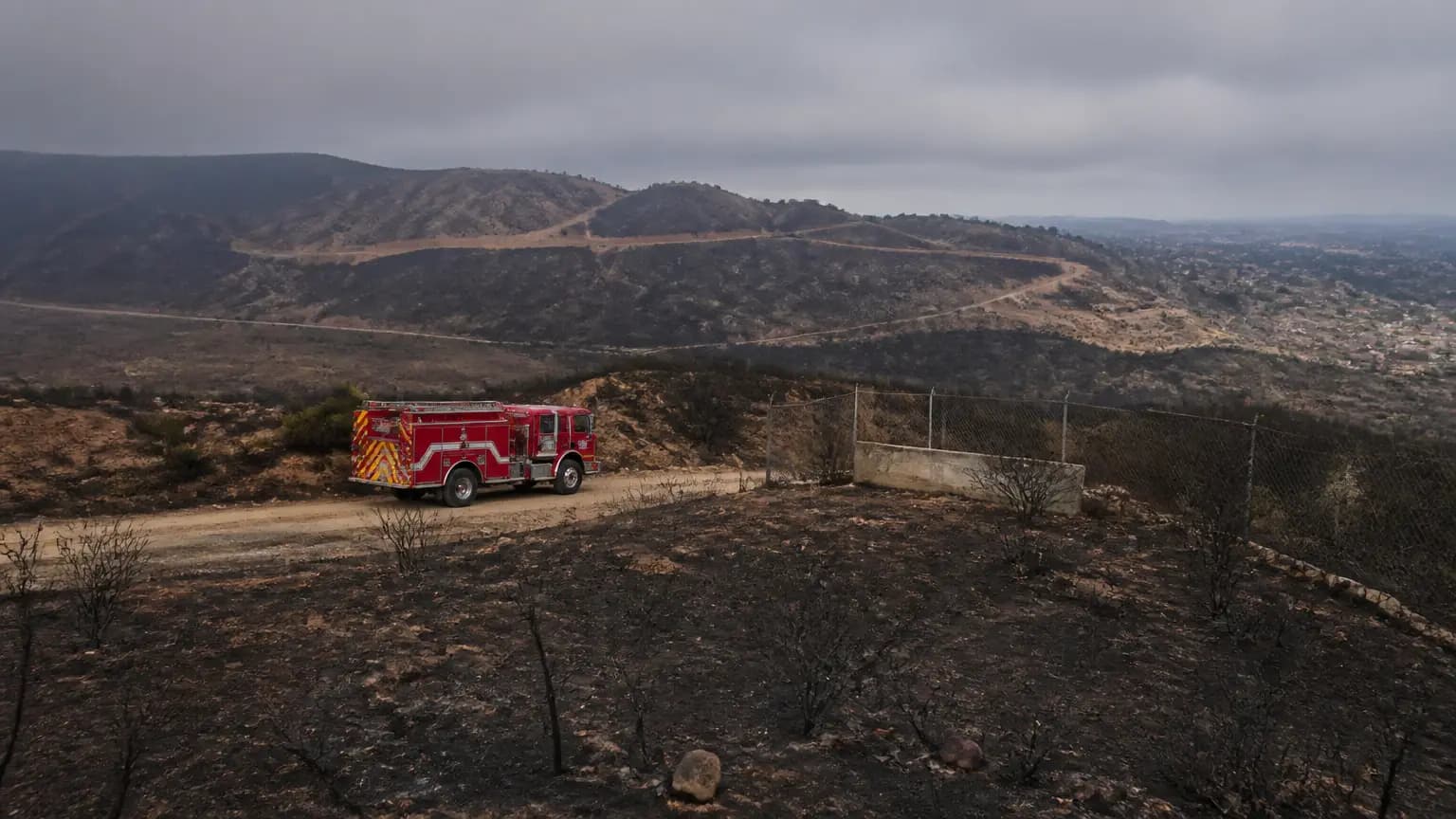
When the Sandy fire tore through the hills south of Simi Valley in May, Ventura County firefighters weren't just battling wind-driven flames threatening homes. They were also racing to keep the blaze from reaching one of the region's most controversial pieces of land — the former nuclear and rocket-testing site known as the Santa Susana Field Laboratory.
The fire never crossed onto SSFL property, according to Ventura County Fire Division Chief Matt Falat, who spoke at an Aug. 12 community update hosted by the U.S. Department of Energy at its Energy Technology Engineering Center in Simi Valley. But the Simi Valley Acorn reported that the blaze came within roughly 500 feet of the property line — a margin close enough to unsettle residents and activists who have spent decades pushing for a full cleanup of the site.
How Close It Really Got
The Sandy fire ignited May 18 off Sandy Avenue and burned 2,183 acres over nine days before full containment on May 27, according to the Acorn's account of the firefight. One home was destroyed and two structures were damaged; there were no injuries or fatalities. The cause remains under investigation. Northeast winds gusting above 35 mph pushed the fire rapidly through steep terrain, forcing evacuations and drawing firefighters from multiple agencies.
Falat, who held command responsibilities during the incident, said crews initially tried to hold the fire at Runkle Canyon Fire Road, but flames "slopped over" the line. The Albertson Motorway then became a critical containment feature, because a crossing there could have put the Bell Canyon community at greater risk. Firefighters positioned resources between SSFL and Bell Canyon for the next two days.
"We knew at some point during this firefight, there would be a threat to the field lab and possibly Bell Canyon," Falat said, according to the Acorn.
While the fire stopped about 500 feet from the lab's boundary, Falat estimated the nearest buildings or infrastructure on the site were roughly 3,000 feet from where the flames halted. "The most important piece here is that the fire did not make it to the field lab," he said.
Why SSFL Raises the Stakes
The Santa Susana Field Laboratory is a 2,400-acre site in the Simi Hills where nuclear research and rocket-engine testing took place for decades. Boeing owns about 80% of the property — including Area IV, which the Department of Energy handles — while NASA and the DOE oversee the remainder.
Those decades of operations left chemicals, metals and radionuclides in the site's soil and groundwater, and the contamination has made SSFL a flashpoint for Simi Valley, Oak Park, Chatsworth and West Hills residents since the 1979 partial meltdown of a sodium reactor in Area IV came to broader public attention years later.
Fire adds a specific worry: scientists working with a community group focused on SSFL health and safety issues have said that when the 2018 Woolsey fire burned about 80% of the field lab, it had the potential to kick up radioactive material in contaminated soil. That history, the Acorn reported, was on responders' minds from the first night of the Sandy fire — the concern wasn't only structural damage, but the possibility of re-suspending contaminants.
The Aug. 12 DOE meeting itself underscored the ongoing tension. Outside the gathering, activists dismissed the department's claims about site safety as "bananas," according to the Acorn's coverage — a sign that trust between federal officials and parts of the community remains fragile.
A Fire Department Built for This Fight
Ventura County Fire prepares specifically for wildland incidents around SSFL. Fire Station 43 serves the field lab directly, and five additional stations support the east Simi Valley area, Falat told attendees. Mutual aid agreements with Los Angeles County and Los Angeles city fire departments add another layer of protection — agreements that proved their value during the Sandy fire, when multiple agencies scrambled to protect hillside neighborhoods.
The department's familiarity with the terrain mattered during the Sandy fire. Commanders identified Runkle Canyon Fire Road and the Albertson Motorway as defensible lines early, using roads and fuel breaks on and around the site to steer containment strategy even as winds pushed the fire in unpredictable directions.
What Comes Next
For Simi Valley residents, the Sandy fire is a reminder of two converging realities: wildfire risk in the region's hills is growing, and the cleanup of SSFL — long promised under agreements signed more than a decade ago — remains unfinished. Environmental groups and some local elected officials have continued to press Boeing, NASA and the DOE to complete soil remediation to the standards set in the 2010 administrative agreements, arguing that every fire season without full cleanup is a season of elevated risk.
The DOE, for its part, hosted the Aug. 12 community meeting as part of its ongoing outreach on conditions at the Energy Technology Engineering Center, where it manages cleanup obligations in Area IV.
The Sandy fire's cause is still under investigation. What's already clear is the margin: 500 feet between a major wildland fire and a site whose soil still carries the legacy of the nuclear and rocket age. For the firefighters who held that line — and for the neighbors who watched the smoke — that number is the story.
Reported by 805.life
Researched and written drawing on primary sources. Additional reporting: Simi Valley Acorn.
City
Simi ValleyAdditional Reporting
Simi Valley AcornPublished
August 21, 2026
Reported and written by 805.life
Explore Simi ValleyAll Simi Valley NewsMore News from Simi Valley
 Simi Valley
Congressional forum puts key issues in the spotlight
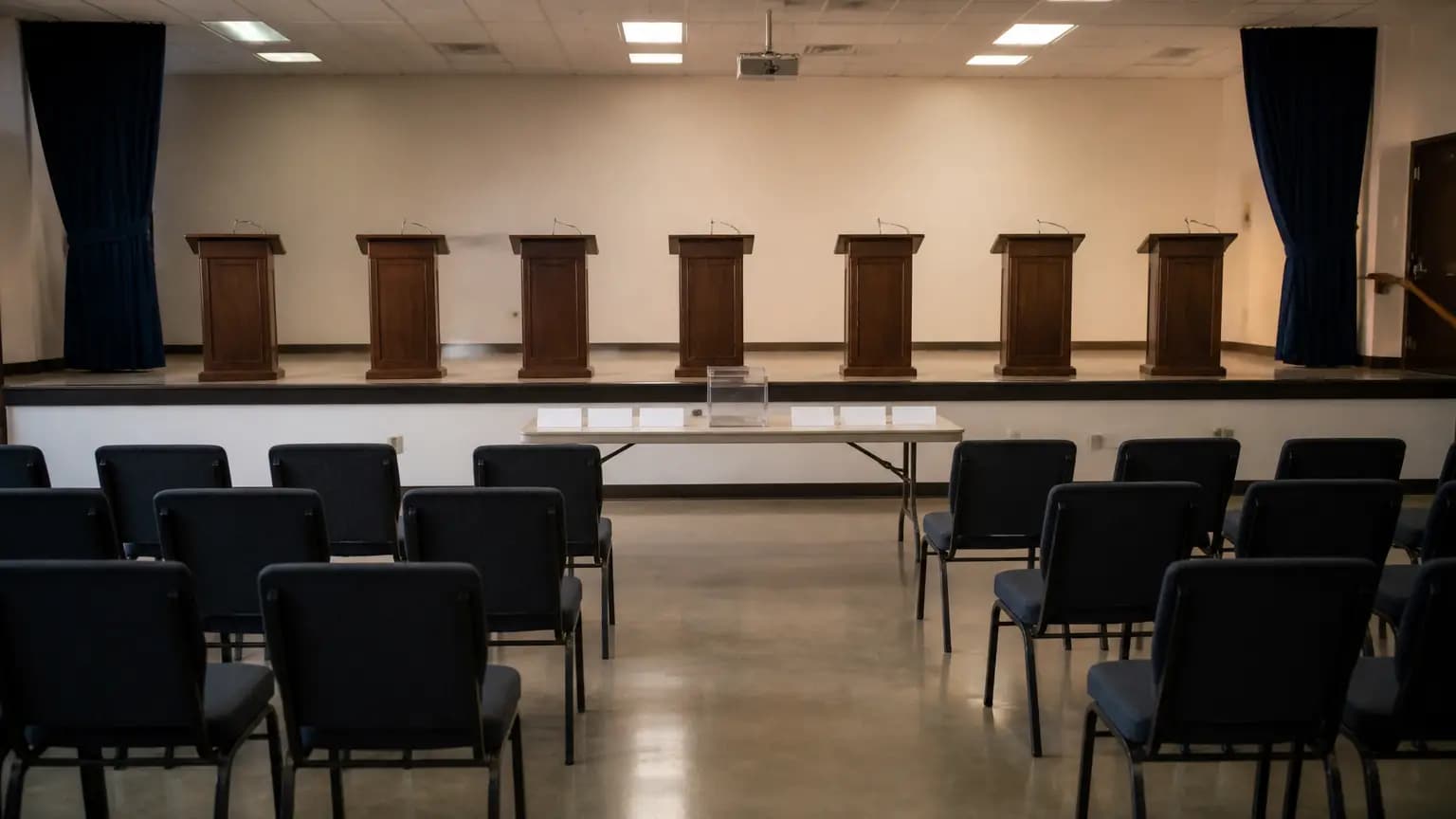
If you missed the Sept. 25 candidate forum in Moorpark, here's the short version: things got lively. Republican Sam Gallucci and Democratic Assemblymember Jacqui Irwin are both running for the 26th Congressional District seat, and the Simi Valley Acorn reports they clashed hardest over immigration, gun laws, transgender rights and the war with Iran. This matters to us here in Simi Valley because the 26th District covers our community, and whoever wins will be the voice we send to Washington on the issues that shape our daily lives, from the economy to public safety. Local forums like this are one of the few chances to hear candidates unfiltered before we cast a ballot. Keep an eye on the Acorn and 805.life for more coverage as the campaign heats up. Whatever your politics, showing up informed is how our corner of the 805 makes itself heard.
 Simi Valley
Rabid bats on the rise in LA, Ventura counties
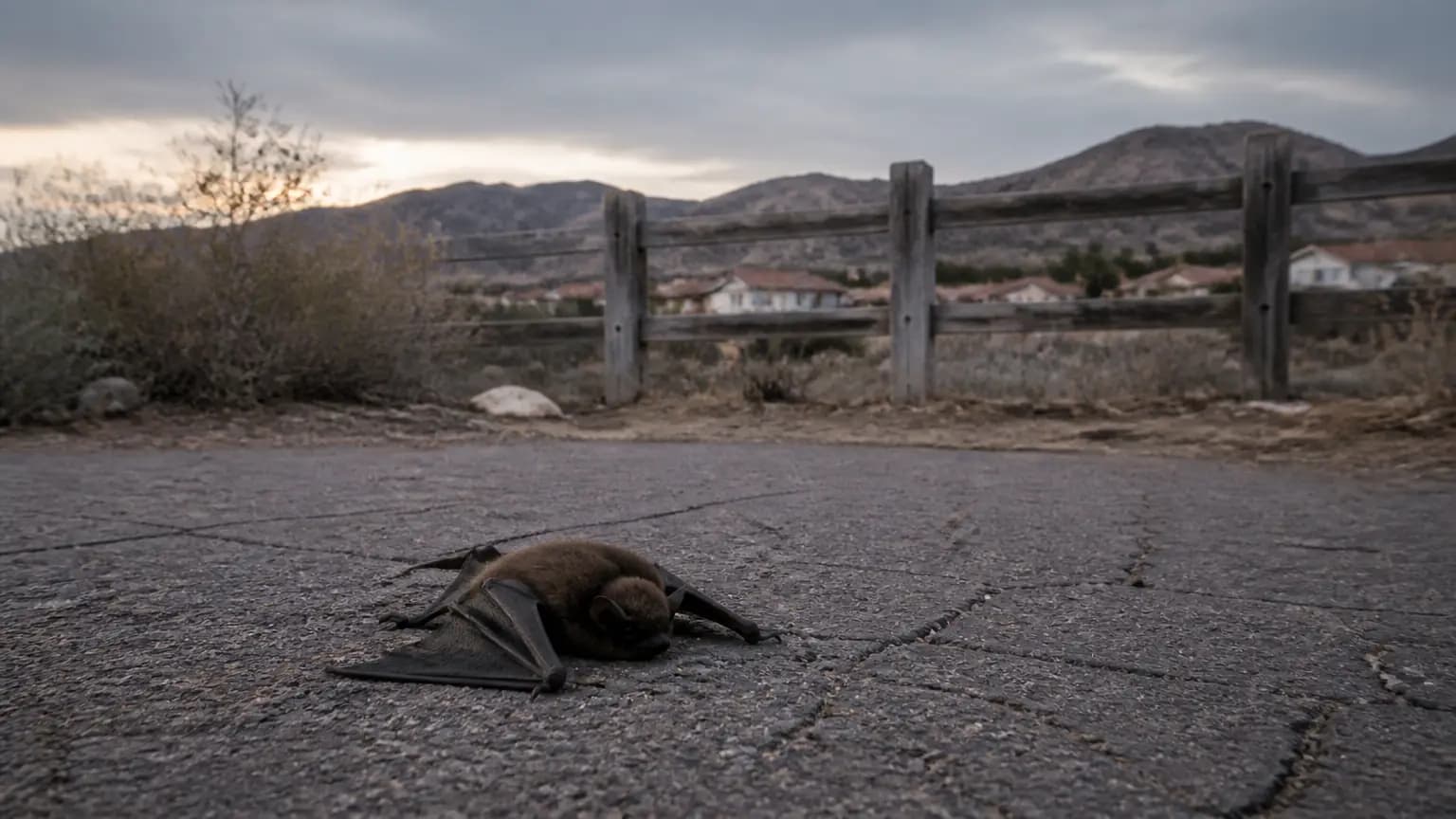
Heads up, neighbors — just in time for Halloween, health officials are reporting a spike in rabid bats across LA and Ventura counties, including right here in our neck of the woods. The Simi Valley Acorn flagged the surge, noting infected bats have turned up in several local cities, and officials are urging everyone to keep their distance. The rules are simple: never touch a bat, and call it in if you spot one indoors, flying around during the day, or looking sick. That last part matters most in Simi — bats love our warm evenings, open trails, and older rooflines, so a grounded or confused bat near your patio isn't just creepy, it's a real health risk. Keep pets' rabies shots current too. It's not the spooky-season headline we wanted, but a little caution goes a long way. If something seems off, report it rather than handle it yourself. Stay safe out there, 805.
 Simi Valley
Park board plays out new budget for Simi/Oak Park
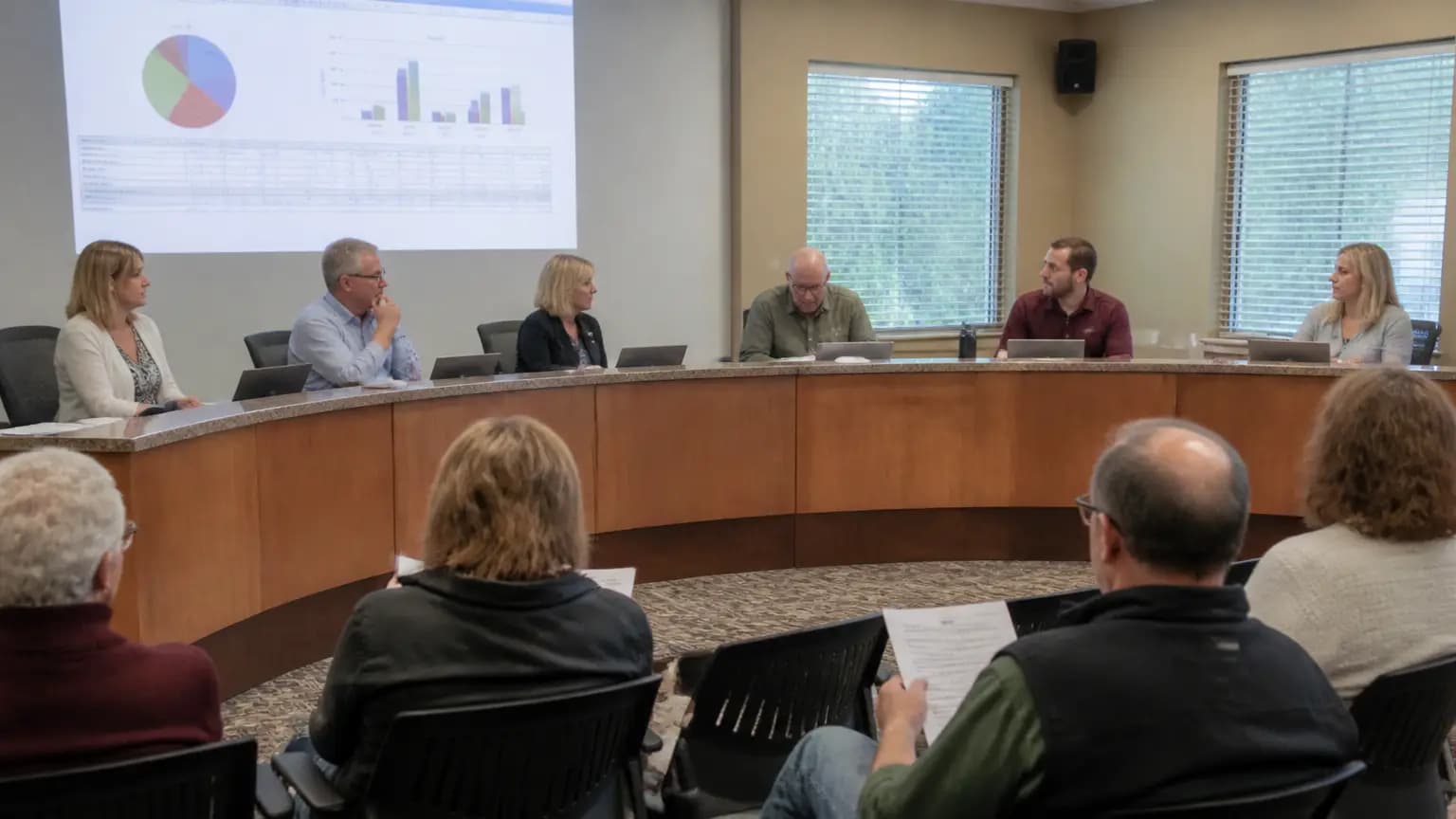
Big news for our corner of the 805: the Rancho Simi Recreation and Park District just approved a $70 million budget, and about $20 million of that is going straight into capital improvements. We're talking nearly $7.5 million for Activity Center Phase III and roughly $2.3 million for a new BMX track—projects that'll give Simi Valley and Oak Park families more places to play, gather, and stay active. If you've spent any weekend circling a packed parking lot or waiting on a field, you know how much our parks carry this community. This kind of investment isn't just concrete and dirt—it's birthday parties, after-school practices, and neighbors actually running into neighbors. Shoutout to the Simi Valley Acorn for keeping us posted on the details. Keep an eye on construction timelines, because these upgrades will shape our weekends for years to come.